AI Fashion Magazine Cover Generator
Published 20 October 2024
In fashion, where trends turn over in weeks, the magazine cover is still the first impression. It has to hold attention, carry the mood of the season, and sell the issue. Artificial intelligence has changed how that cover gets made, giving editors and creative teams more speed, more range, and more precision than the traditional process allowed.
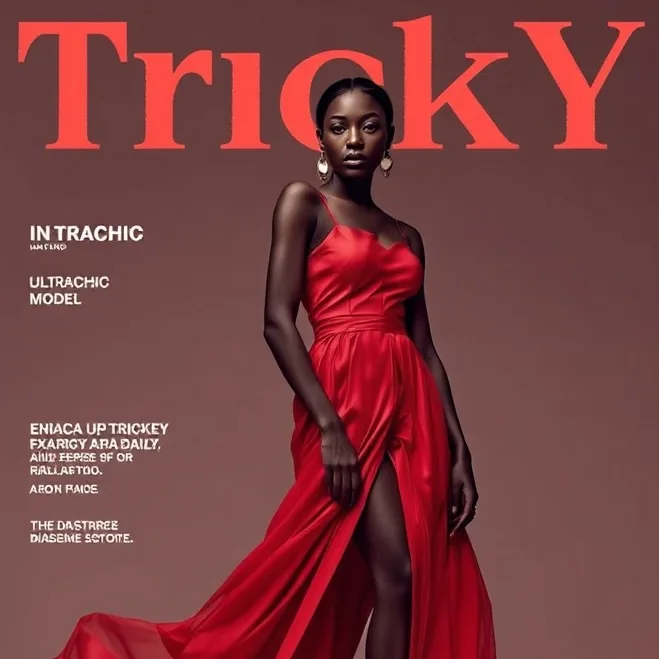
The rise of AI in fashion media
AI already touches many parts of the fashion industry, from garment design to trend forecasting. Now it is reaching magazine editors, and cover creation in particular. AI fashion magazine cover generators use sophisticated algorithms to produce designs that reflect current trends, respect a brand's identity, and speak to a defined audience.
These systems account for the season's dominant colors, the style aesthetics people are actually following, and consumer preferences. Because they can read large volumes of visual data, they produce multiple cover options in a fraction of the time a human team would need, which leaves editors choosing among real alternatives within minutes.
Speeding up the design process
In a traditional workflow, designers, photographers, stylists, and editors spend days, sometimes weeks, brainstorming concepts, organizing shoots, and refining the layout. AI compresses that by automating key steps.
Editors upload images, state their aesthetic preferences, and receive several cover mockups built around the requested theme. That rapid iteration gives the editorial team its time back for content and strategy instead of another round of layout revisions.
AI can also handle layout adjustments, optimize typography, and propose color schemes that line up with current fashion trends. Freed from the usual time pressure, teams experiment more widely, and the covers that come out of it push further than the safe option would have.
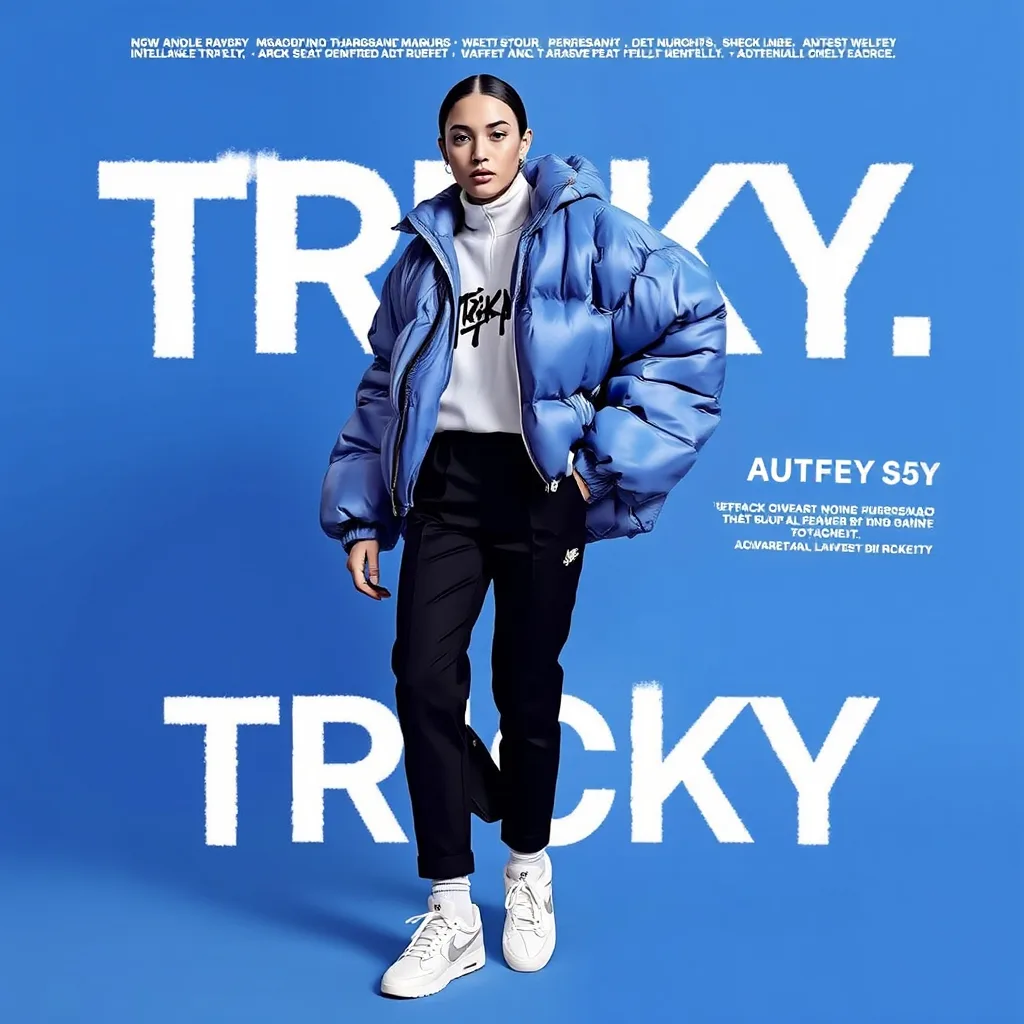
Targeting audiences with precision
One of the strongest capabilities of an AI cover generator is tailoring the cover to a specific readership. These systems can read customer demographics, past purchase behavior, and social media interactions to work out which kind of cover art will land with which segment.
A magazine aimed at millennials, for example, can feed in social media signals: popular Instagram aesthetics, influencer styles, favored color palettes. The AI then builds covers that speak directly to that group. Precision at that level raises engagement, and eventually sales.
The system also keeps pace with shifting taste. As soon as a change is detected, a rise in sustainable fashion or a new color taking over the runways, the design recommendations update in real time, so the cover stays current with the audience it is meant to reach.
Enhancing team collaboration
A single fashion cover usually passes through many hands: photographers, graphic designers, art directors, editors. AI cover generators support that by giving everyone a shared surface where concepts can be visualized and adjusted at the same time.
The editor picks a general style or theme, the graphic designer adjusts the layout, the art director refines the color scheme, all of it in real time inside the same tool. Fewer communication gaps, shorter feedback loops, and a polished cover arrives sooner.
It also closes distance. International teams can work on the same cover regardless of where they sit, which matters most for global fashion brands that need consistent branding across markets.
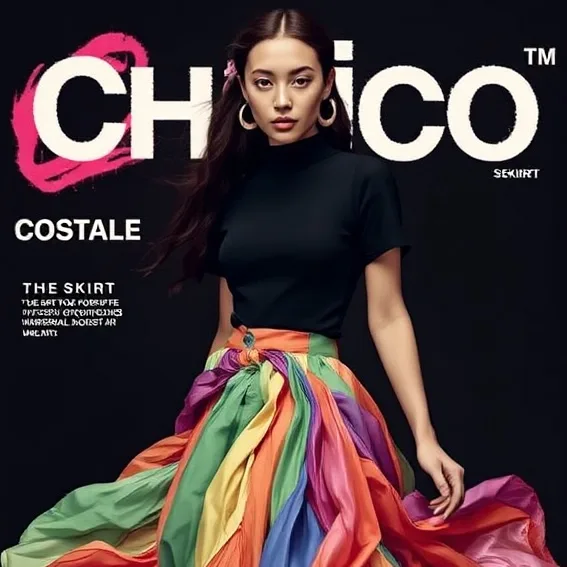
Supporting creativity rather than replacing it
A common worry about AI in creative work is that it will displace human imagination. With magazine covers, the opposite happens: AI takes the tedious, time consuming parts of design and leaves the artistic vision, the storytelling, and the emotional weight of the cover to the people who are good at those things.
By producing multiple variations in seconds, it also gives editors and designers room to test bold ideas that would have been too risky or too slow to attempt by hand. AI efficiency combined with human judgment is what produces covers that are visually strong and genuinely resonant.
Where AI driven covers go next
As the technology advances, its role in fashion media will grow. Future tools should fold in more personalized insight, reading not only visual trends but cultural movements, individual reader preferences, and live shopping data. Magazines could then craft covers that feel specific to each reader, which builds a closer relationship between a publication and its audience.
AI fashion magazine cover generators are already changing how editorial teams approach cover design: faster creative cycles, sharper audience targeting, better collaboration. The future of fashion magazines is not only stylish, it is informed.
Try it on your next cover
If you want to see the idea working on your own imagery, start with a model shot and build the cover around it. Open the AI models studio to generate the figure, or read more on AI fashion editorials and editorial imagery with AI models.
Related articles
- How to Turn Your Fashion Design Into a Magazine Cover with AITurn a sketch, a design, or a photo from your camera roll into an editorial magazine cover with AI: layouts, poses, bold headlines, minutes of work.
- How an AI Fashion Editorial Generator Can Help Your BrandAn AI fashion editorial generator turns a prompt into magazine style imagery, giving brands creative control without booking a photoshoot.
- AI reel generator for fashion brands: The New Black AIMake fashion reels with AI: describe the animation or pick one of eighteen Motion Design templates, add your photos or clips, export in 9:16. From 1 credit.
- Create Haute Couture Fashion Design with AIUse an AI clothing design generator to explore couture concepts: original designs from your own parameters, fast prototyping, and inspiration in seconds.
- Create a Retro Clothing Design With AIRecreate 60s, 70s, 80s and 90s style clothing with an AI fashion design generator: describe the cut, the fabric and the palette, and see it.
- AI Image to Sketch GeneratorTurn a clothing photo into a flat technical sketch with AI. Faster tech packs, fewer errors, and far less manual drawing for design teams.
- From Sketch to Photo: Turn Sketches into Fashion Designs with AITurn a fashion sketch into a finished design with AI: how the generator reads your drawing, how you refine it, and why the process runs in hours.
- Clothing Design Software: The New Black AIClothing design software explained: the five kinds of fashion design software, what each one does, how to choose, and where AI design tools fit from concept to tech pack.
- Online fashion lookbook maker: The New Black AIBuild an online fashion lookbook from your AI studio pictures: editorial page templates, your paper, typeface and logo, product links, published at its own address or your domain.
- AI Fashion Design Guide 2026: The New Black AIWhat AI fashion design is, how it works in five stages, AI versus traditional design phase by phase, the eight capabilities, what it costs, where it falls short, and six steps to start.