AI Fashion Trends and Forecast
Published 18 March 2024
Fashion trends arrive and leave with the seasons, and designers and brands spend a lot of energy trying to stay ahead of them. Artificial intelligence changes the terms of that effort: it can analyze very large data sets to read the trends already in play and to anticipate the ones still forming. The result is a data driven era in fashion, where analytics feed directly into design and marketing strategy.
Decoding trends with AI
What makes AI useful here is its ability to process and analyze large volumes of data. Social media posts, online search behavior, sales figures, even weather reports: algorithms can sift through all of it and pull out patterns. That holistic view of consumer behavior and preferences gives designers and brands a factual basis for deciding what the next collection should be.
Machine learning adds the second half of the value. These systems keep learning and adapting, so their predictions get more refined and more accurate over time. Fashion companies can then not only keep pace with current trends but forecast future ones with more confidence, and design collections that resonate with consumers instead of guessing at a crowded market.
The emergence of AI fashion forecasters
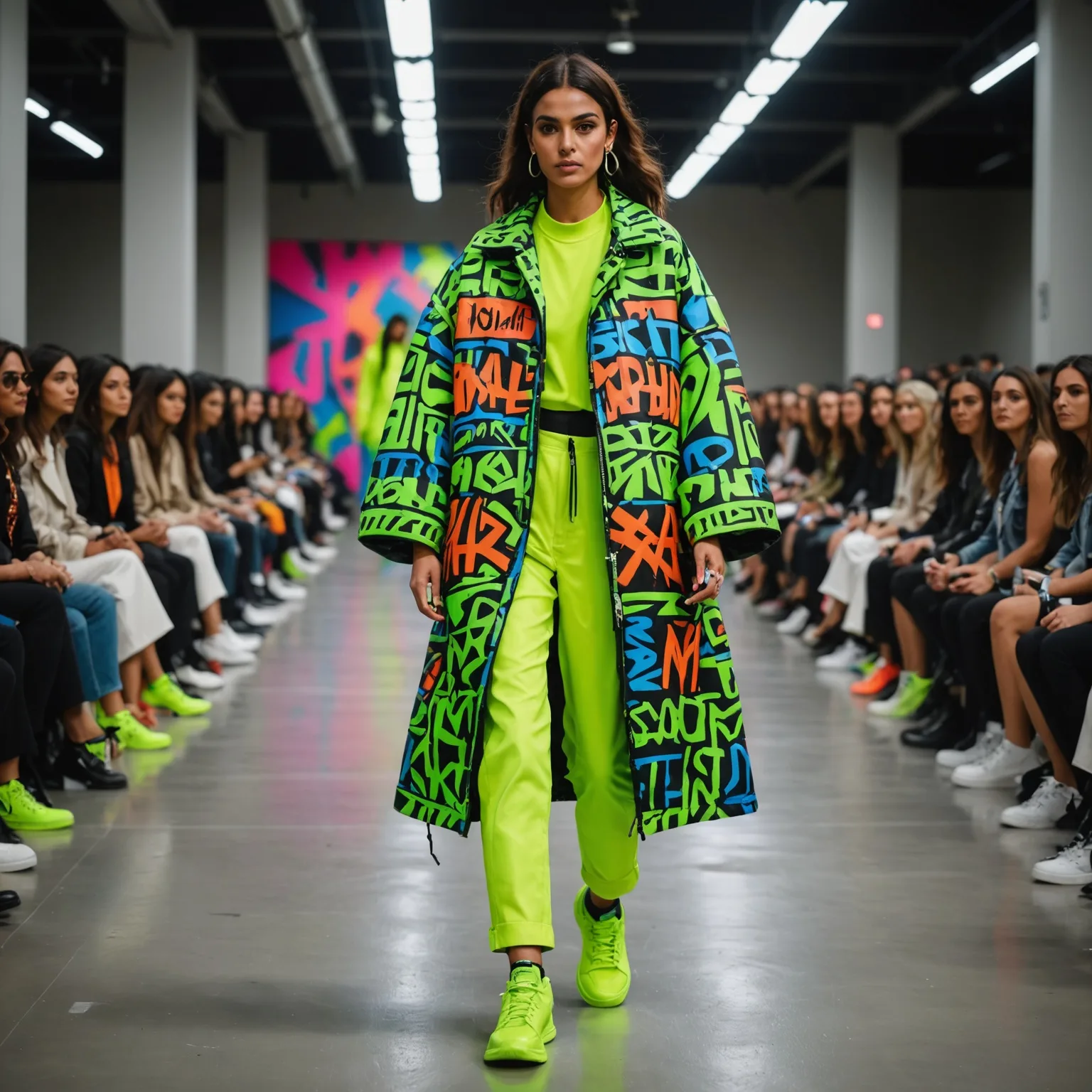
The potential goes beyond analyzing what already exists. It points to the arrival of AI fashion forecasters: systems that take trend prediction further by integrating a wide range of variables, from shifts in global economic conditions and political climates to cultural movements and advances in textile technology. Correlated with historical fashion trends, those factors produce forecasts that try to capture the mood of seasons that have not happened yet.
An AI fashion forecaster would predict the colors, fabrics, and styles likely to dominate, and it would also suggest materials and designs worth exploring. It reaches that by reading emerging trends in adjacent fields such as art, technology, and sustainability, which gives a multidimensional view of where fashion is heading.
Transforming design and marketing strategies
Better insight changes the work itself. With a clearer read on emerging trends, designers can tailor their pieces to real demand, so what they release is both relevant and well timed. The same insight informs marketing: brands can target their audiences more precisely and build campaigns around what people are actually looking for.
There is a second effect that matters more than it first appears. AI driven trend analysis democratizes forecasting, a practice that used to be reserved for those who could pay for it. Smaller brands and independent designers get access to the same kind of reading, which widens the range of voices shaping the fashion conversation and encourages diversity and innovation across the industry.
Challenges and considerations
The benefits are real, and so are the reservations. Data privacy and the ethical use of consumer information are the first concern. The second is homogenization: if everyone follows the same AI driven signals, styles converge and the industry loses part of what makes it interesting. Data insight works best when it is balanced against creative intuition rather than replacing it.
Where this leaves the industry
Bringing AI into fashion marks a real shift towards a data driven approach to design and marketing. Large scale data processing and advanced algorithms let designers and brands follow current trends and anticipate the direction fashion is taking. As AI forecasters grow more sophisticated, they become a standard tool of the trade, one that supports innovation rather than flattening it.
Put a forecast to work
Reading a trend is only half the job. The other half is turning it into a design, and that is where the studio comes in. Browse the AI trends and news feature to see what the tool tracks, then open the AI clothing design generator and build the first pieces of your next collection. If you are new to the subject, start with what AI fashion design actually is.
Related articles
- Fashion Store Dashboard Without Shopify: The New Black AISocial agenda, Meta Ads, Search Console, Shopping and Analytics open without a shop. Products, SEO by product and sales fill in the day you connect Shopify.
- Google Search Console for Fashion Stores: The New Black AIThe New Black AI now reads your Google Search Console inside your Store: the queries and pages that bring traffic, next to the product visuals you generate.
- From Sketch to Photo: Turn Sketches into Fashion Designs with AITurn a fashion sketch into a finished design with AI: how the generator reads your drawing, how you refine it, and why the process runs in hours.
- How AI is Likely to Change Clothing Design in the FutureInspiration, faster processes, personalization, virtual prototyping, sustainability, trends: how AI is likely to change clothing design.
- Why Human Creativity Still Matters With the Rise of AI Clothing DesignAI designs clothing fast, but emotion, cultural context, and unpredictability stay human. Why the two together shape the future of clothing design.
- Clothing Design Software: The New Black AIClothing design software explained: the five kinds of fashion design software, what each one does, how to choose, and where AI design tools fit from concept to tech pack.
- AI Agent for a Shopify Fashion Store: The New Black AIAn AI agent for your Shopify fashion store: what it reads and does (products, images, SEO, content, ads), how you approve its actions, how to hire one and what it costs.
- AI reel generator for fashion brands: The New Black AIMake fashion reels with AI: describe the animation or pick one of eighteen Motion Design templates, add your photos or clips, export in 9:16. From 1 credit.
- Google Shopping Free Listings for Shopify: The New Black AIThe New Black AI reads your free Google Shopping listings on the Store page: impressions, clicks, approved products and a product-by-product table from Merchant Center, beside Search Console.
- AI Fashion Design Prompts, 30 Examples: The New Black AINine rules for AI fashion design prompts, thirty prompts that work for outerwear, dresses, knitwear, shoes, bags, textiles and edits, and a table of the words that change the result most.