How NFTs and AI are Changing The Fashion Industry
Published 20 December 2024
Fashion is going through a digital renaissance driven by the combined potential of Non-Fungible Tokens and Artificial Intelligence. These two technologies are converging and reshaping creativity, consumer engagement, and the definition of a garment in the digital age. Together they are opening new ground for personalization, innovation, and sustainability.
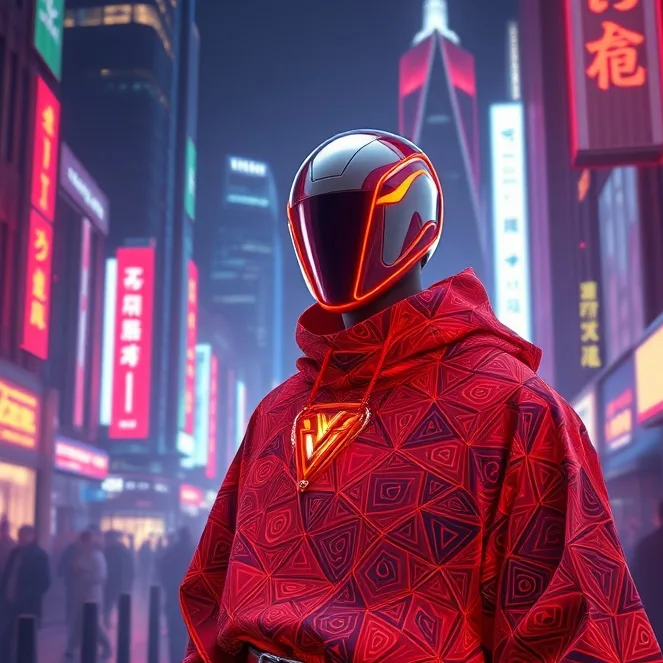
The synergy between NFTs and AI in fashion
The real power here is not in either technology alone but in what they do together. AI can generate, analyze, and personalize. NFTs can secure, authenticate, and tokenize. Merge the two and fashion gains experiences that neither brands nor consumers had access to before.
AI powered NFT creation
AI algorithms can produce distinctive digital fashion designs based on trends, consumer preferences, or open ended creative inputs. Those designs can be minted as NFTs, which fixes their uniqueness and ownership on the blockchain. The process widens who gets to create, since someone who is not a trained designer can still bring a fashion idea to life. An AI clothing design generator is where that starts.
Dynamic and customizable NFTs
Fashion NFTs are no longer static assets. With AI, a brand can create NFTs that evolve over time or adapt to the owner's preferences. An NFT outfit might change color or pattern in response to a seasonal trend or to the wearer's digital preferences, driven by AI insight.
Stronger consumer engagement
Together, AI and NFTs let brands build interactive customer experiences. A customer might design a virtual wardrobe with an AI tool, with each piece minted as a personalized NFT. Those digital garments can then be worn in virtual environments such as the metaverse, which joins creation and ownership in one flow.
Virtual fashion shows and runways
AI generated models and NFT fashion pieces are turning traditional shows into immersive virtual events. A brand can present an NFT collection on a lifelike virtual runway or inside a metaverse, which makes the show globally accessible and cuts the environmental cost of a physical event. There is more on this in how AI video is redefining fashion runway shows.
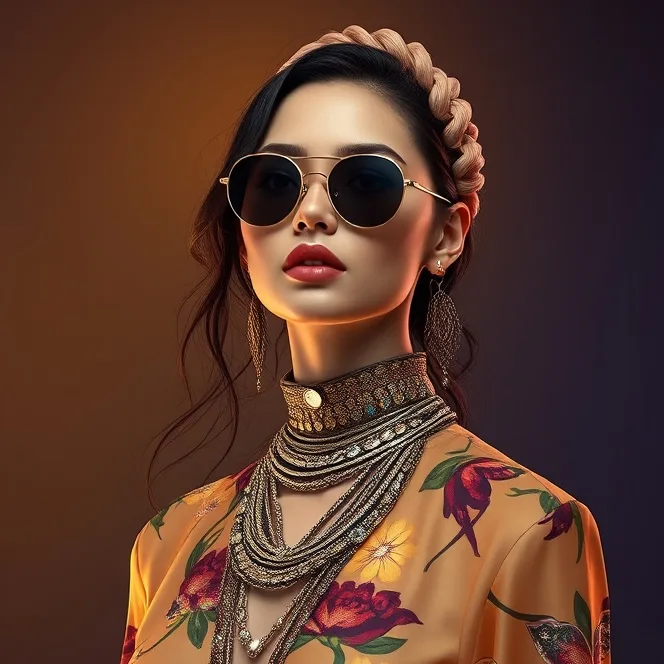
Digital twins: bridging physical and digital fashion
A physical garment can be paired with an NFT counterpart, its digital twin. AI improves those twins with features such as personalized adjustments, interactive elements, or extra virtual utilities. The result is a continuous link between the tangible and the virtual sides of a wardrobe.
Sustainability through smart design
AI optimizes the design and production of both digital and physical fashion, which reduces waste and lowers the carbon footprint. Combined with NFTs, it means every piece, digital or physical, is traceable, authentic, and responsibly made.
Unlocking new opportunities
Combining NFTs and AI opens several routes for the industry:
- Hyper personalization: AI lets brands tailor NFT fashion pieces to individual tastes, which creates a more meaningful connection with the customer.
- Scarcity and value: limited edition AI generated NFTs add exclusivity and desirability for collectors and enthusiasts.
- Global accessibility: virtual fashion built on NFTs and AI crosses geographical barriers, so a brand can reach audiences anywhere.
- Community building: NFTs can act as membership keys, granting access to exclusive experiences, events, or perks, which builds a loyal community around a brand.
Challenges and solutions
The promise is real, but several problems still need work:
- Complexity and accessibility: AI and NFT tools have to become simpler before adoption becomes widespread.
- Sustainability concerns: moving to energy efficient blockchains, such as Ethereum's proof-of-stake model, reduces the environmental cost.
- Consumer education: brands need to explain the value and the utility of these technologies to their audience before adoption follows.
Conclusion
The integration of NFTs and AI is not an evolution so much as a rewrite of how the industry works. By combining the creative power of AI with the authenticity and ownership that NFTs provide, fashion brands can offer their customers possibilities that did not exist a few years ago. It points toward a future where the physical and digital sides of fashion sit alongside each other, and where innovation moves faster because of it.
As these technologies continue to advance, the question is not whether fashion will adapt but how quickly it will take the wave on. For anyone ready to experiment, the field is wide open, and it suggests a future where fashion is as dynamic and personal as the people wearing it.
Design the piece first
Every token starts with something worth tokenizing. Open the AI clothing design studio to create it, or read what AI fashion design actually is before you begin.
Related articles
- How an AI Fashion Editorial Generator is Changing the Fashion IndustryAn AI fashion editorial generator turns a written concept into campaign and lookbook imagery, cutting production cost without losing quality.
- NFT Fashion Clothing for Designers and BrandsNine ways designers and brands can use NFTs in fashion: authenticity, royalties, metaverse wear, VIP passes, digital twins, and tokenized marketplaces.
- AI Fashion VideosAI fashion videos show clothing in motion without a shoot: faster advertising, virtual runways, cheaper production, easier collaboration.
- AI Fashion in 2024Nine shifts to expect from AI fashion in 2024: design images, video, virtual ambassadors, 3D prototyping, production, pricing, and smart fabrics.
- What is Y2K Fashion: The New Black AIWhat is Y2K fashion: the style of the years around 2000, its key pieces, outfits for women and men, how it differs from the 90s, and how a brand designs a Y2K collection.
- How to Make a Fashion Lookbook: The New Black AIHow to make a fashion lookbook in 7 steps: who it is for, editing the looks, one visual direction, shooting or generating, layout, words, and publishing a digital lookbook.
- AI Fashion Video in 720p, 1080p, Audio: The New Black AIResolution and Audio sit in the panel of every video workflow: 720p or 1080p, and a voice, a music or an ambience described in words and generated with the clip.
- AI Virtual Try-On Videos for Fashion: The New Black AIYour garment on the model you supply, in motion: the clip that answers the question a still cannot, whether the piece holds when the person moves.
- Virtual Try-On for Fashion Brands: The Complete Guide (2026)How virtual try-on works, what it needs, what it costs, where it fails, and how fashion brands use it for product pages, campaigns and their own store in 2026.
- Create Haute Couture Fashion Design with AIUse an AI clothing design generator to explore couture concepts: original designs from your own parameters, fast prototyping, and inspiration in seconds.