AI Generated Models: Why AI Fashion Models Will Conquer Fashion E-Commerce
19 July 2024
Fashion has always picked up new technology quickly when it makes the work faster or opens something that was closed before. AI model generators do both: they turn a photo of a garment into a realistic fashion model wearing it. For brands, that changes how marketing content gets made, and it saves a considerable amount of time and money along the way.
Where AI generated models come from
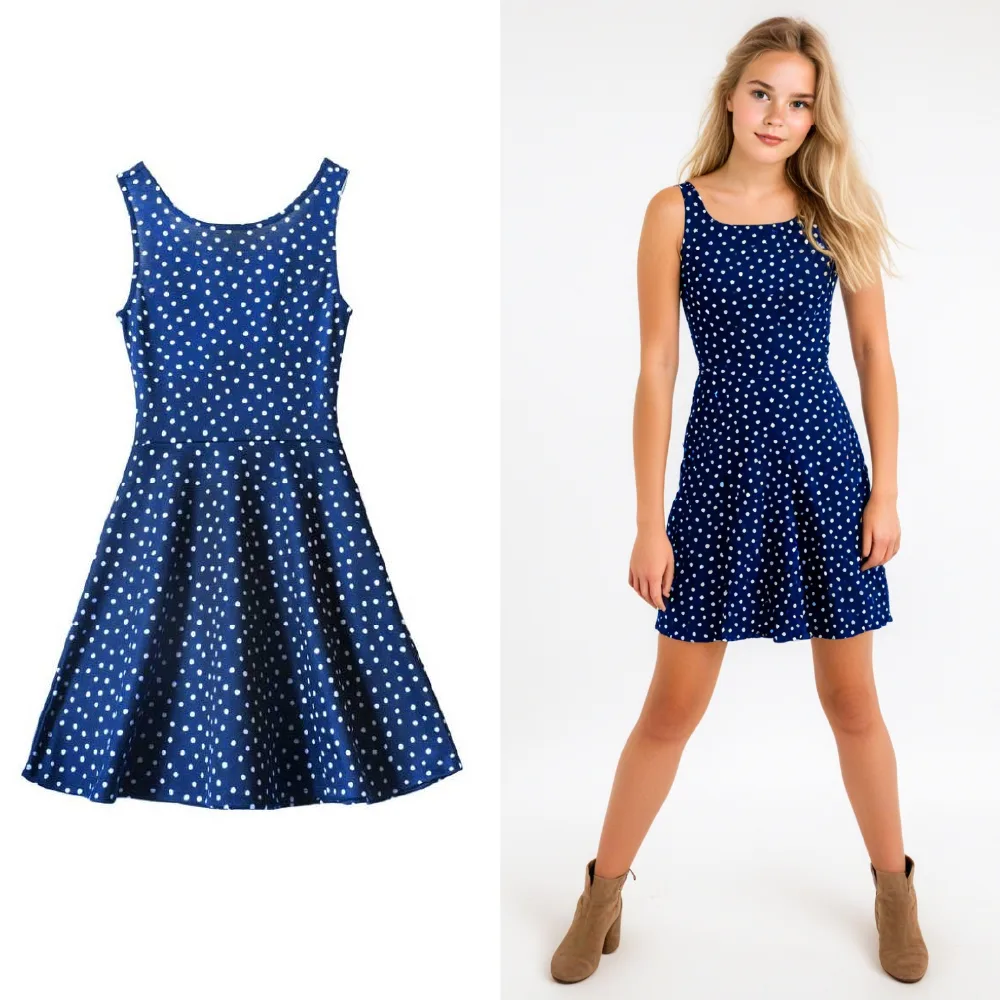
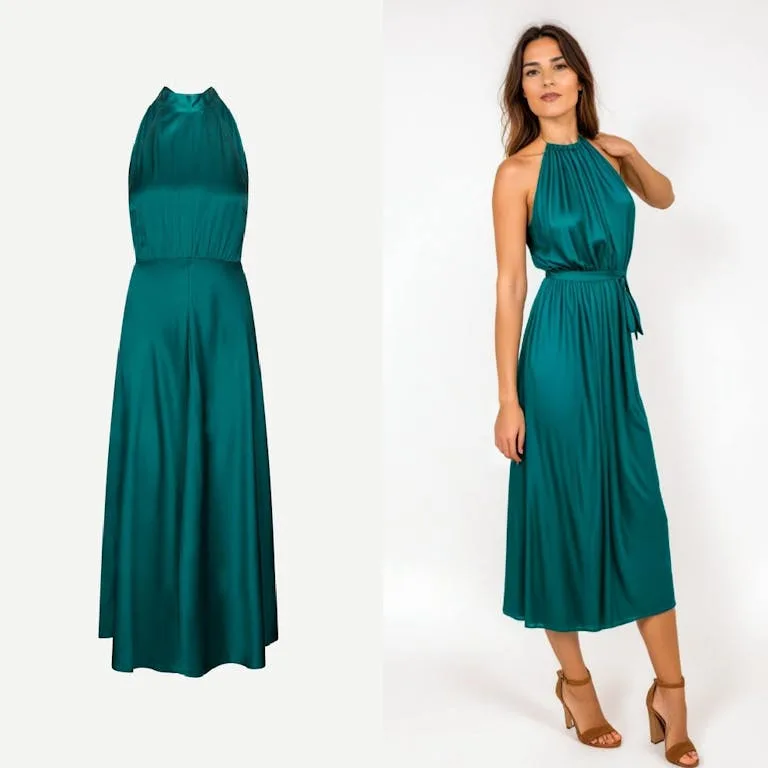
The New Black's AI model generator uses machine learning to build realistic fashion models out of clothing photos. You feed it pictures of a garment and it returns high quality images that read like the output of a traditional photoshoot. The models can be adjusted for different body types, poses, and skin tones, which gives a range of representations without anyone booking a studio.
The cost side
A conventional shoot means paying for models, a photographer, makeup, and studio rental, and coordinating all of it. A single session runs into thousands of dollars before anyone has looked at a frame. The AI model generator removes those line items: once the clothing photos are uploaded, the system does the rest and returns professional grade images at a fraction of the cost.
Turnaround measured in minutes
Fashion runs on tight calendars. Seasonal collections and fast moving trends leave little room, and organizing a shoot can take weeks from planning to delivery. AI generated models come back almost immediately, which lets a brand react to a trend while it is still a trend, refresh product pages, and keep campaigns current instead of scrambling to catch up.
Versatility and customization
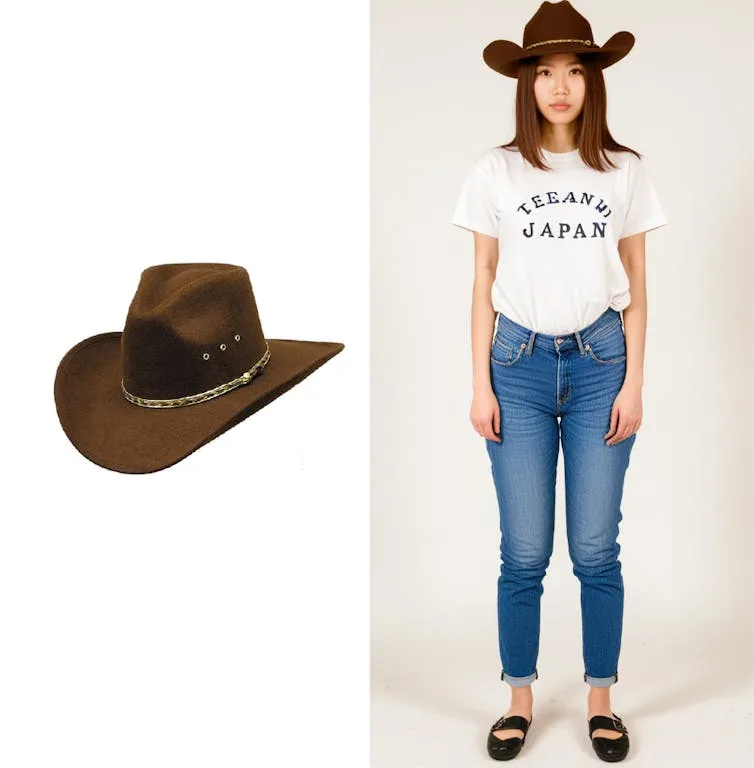
Customization is where the tool earns its place in a workflow. Pose, background, and the fit of the garment can all be changed in a few clicks. That flexibility is useful for showing one piece in several styles and settings, so customers get a clearer sense of how it will look and sit in real life. It also makes it straightforward to produce marketing material aimed at different audiences.
A lighter footprint
The industry is more conscious of its environmental impact than it used to be, and traditional shoots contribute through travel, resources, and waste. AI fashion models cut the physical side of that out. There is no set to build, nothing to ship, nobody to fly in, which lines up with what a growing share of customers now expect from the brands they buy.
What it changes for the industry
Brands that adopt this technology simplify their content pipeline and spend less doing it. The effect is most visible at the small end: labels that could never justify a professional shoot can now put their products on models and compete for attention on the same terms as much larger companies. That widening of access tends to produce more ideas, not fewer.
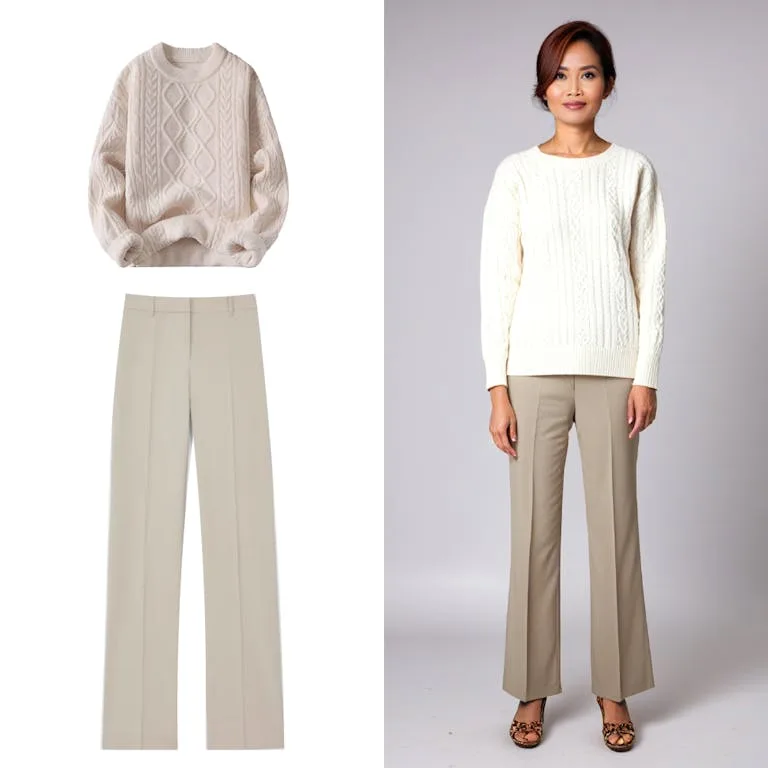
There is a second effect worth naming. Generating diverse and inclusive imagery quickly makes it far easier for a brand to speak to a broad audience. Representing different body types, ethnicities, and styles stops being a logistical problem and becomes a setting, which moves inclusivity from intention to practice.
Where this is heading
AI fashion models built from clothing photos are more than a technical curiosity. They save time and money, they offer a level of customization a physical shoot cannot match, and they support more sustainable practice. As more companies fold them into how they work, the result should be an industry that is quicker, more inclusive, and more open to experimentation.
Run your own virtual photoshoot
Start with one product photo and see it worn. Open the AI models studio, upload a garment, and pick the model you want. If you would rather put a piece on a person already in an image, virtual try-on covers that side.