AI Fashion Model Swapper: Change Model Characteristics on an Image
13 October 2024
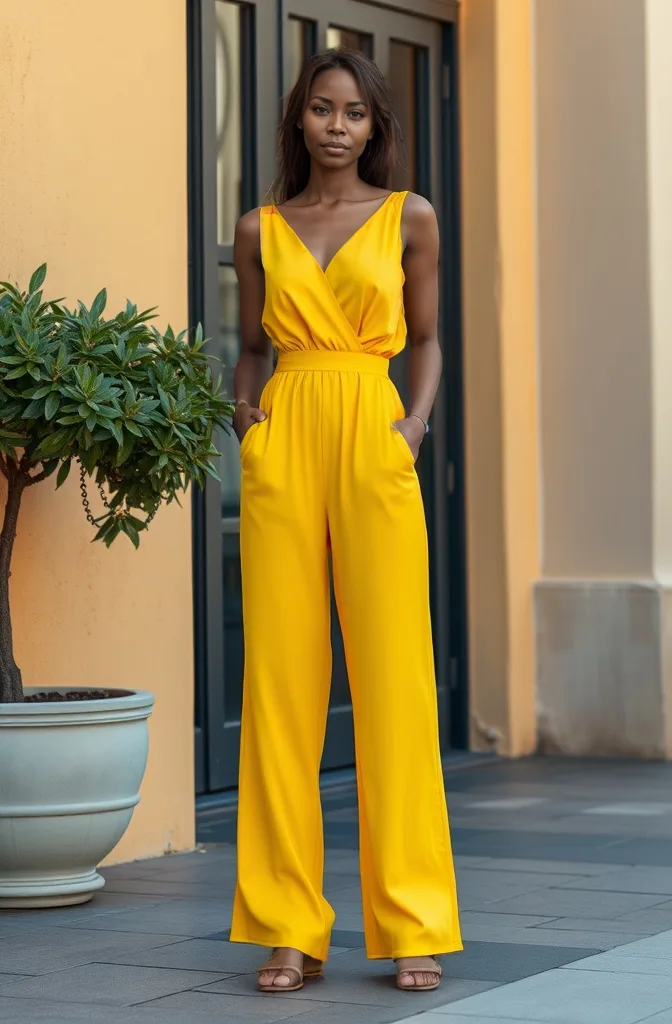
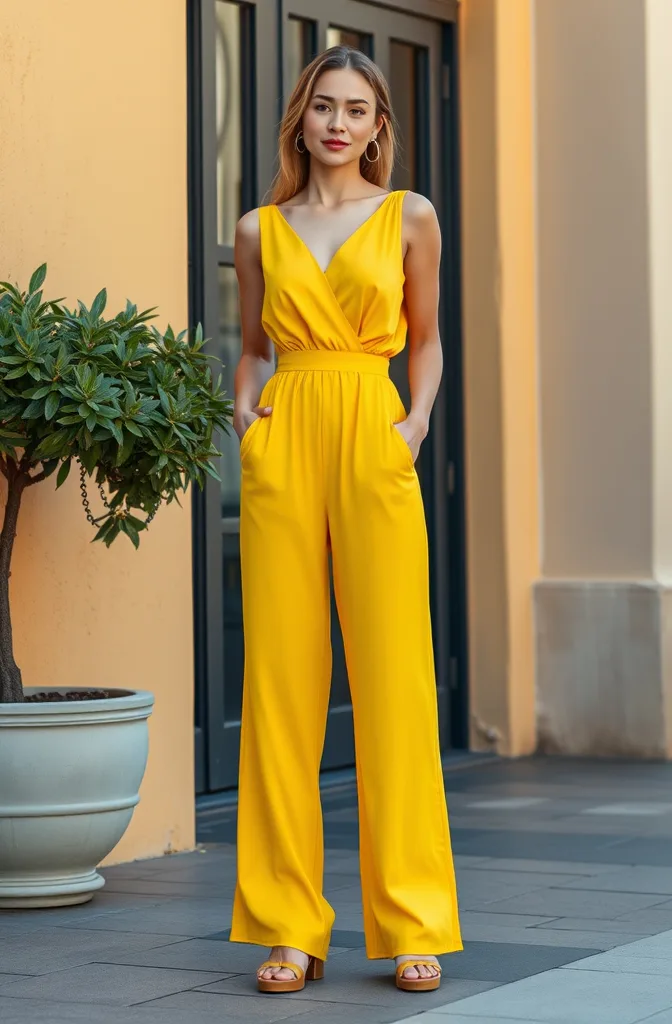
The New Black AI lets brands and fashion designers change a model's appearance in any image, including body type, ethnicity, age, and other physical characteristics, without altering the clothing on display. It shortens marketing production, makes inclusivity practical rather than aspirational, and brings a number of secondary benefits to the way fashion imagery gets made.
How the model customization works
The technology uses artificial intelligence and machine learning to analyze and modify model images while preserving the integrity and the fit of the garment. Users adjust characteristics such as skin tone, facial features, body shape, size, and gender identity, and the clothing stays exactly as it is.
Whether the source is a fashion shoot, a runway image, or a product page on an e-commerce platform, brands can now change the model in the photo without commissioning another shoot. The algorithms adapt and morph human features while the garment remains untouched and correctly displayed on the new form.
Time saved
The most immediate benefit is how much production time it removes from marketing and advertising.
No reshoots. Building campaigns with diverse models used to mean multiple photoshoots, with the logistics, scheduling, and cost that came with them. A single shoot now covers a wide range of model types, because the brand modifies the original images instead of reshooting the collection.
Fast A/B testing. For e-commerce brands, knowing which model resonates with which audience is worth a lot. Switching between different model images to compare engagement, clicks, or sales happens almost instantly, which keeps marketing decisions quick and evidence based.
Faster global campaigns. Brands operating internationally can adapt their visuals to regional markets, adjusting the models in their ads to reflect the cultural and aesthetic preferences of each audience, without commissioning a shoot per country. International rollouts move faster and cost less effort.
Inclusivity and representation
The deepest effect of the feature is on inclusivity. Fashion has been criticized for a long time over its lack of diversity, particularly in how models are chosen to represent clothing. The reliance on narrow beauty standards, specific body types or ethnic backgrounds, has left many people without any version of themselves in fashion imagery.
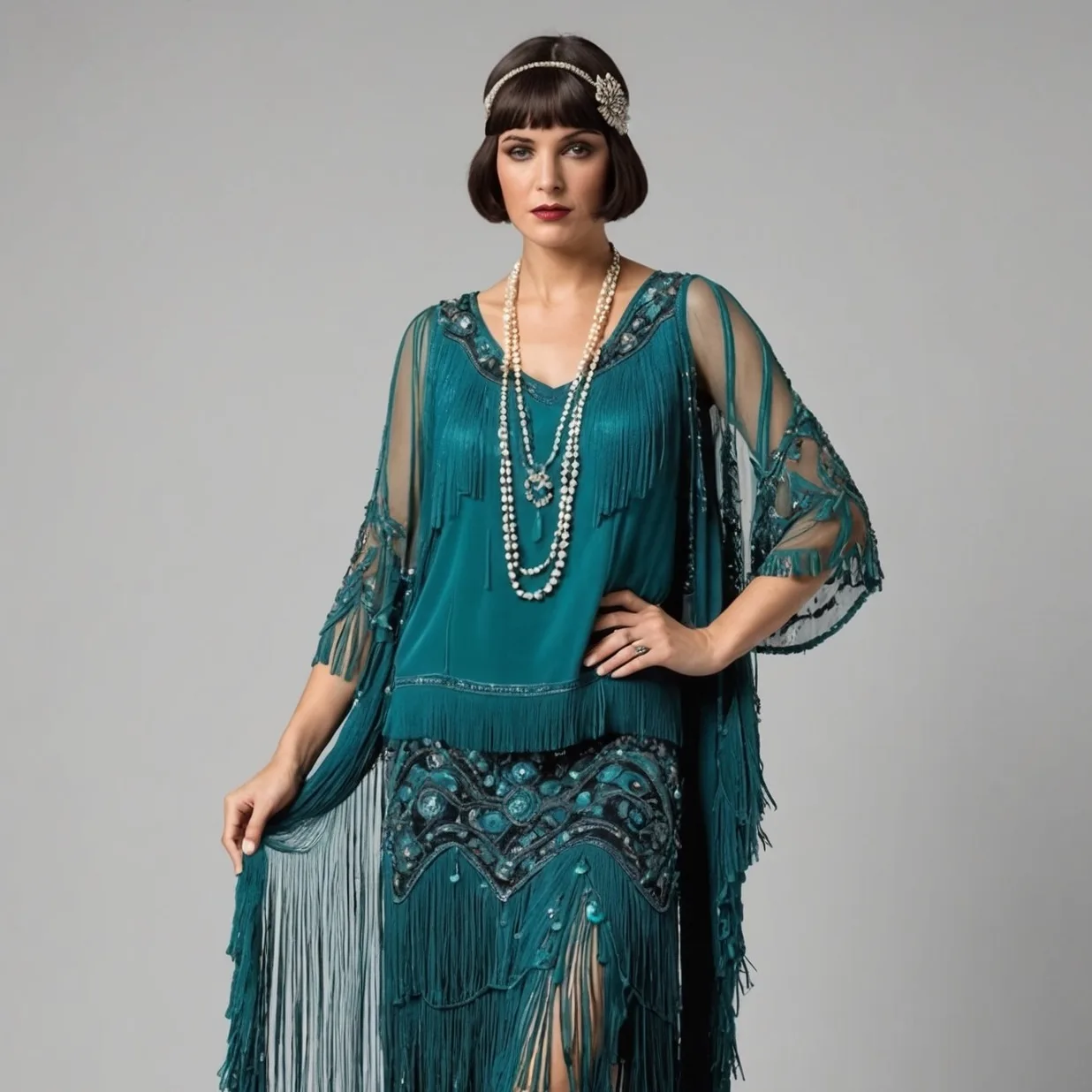
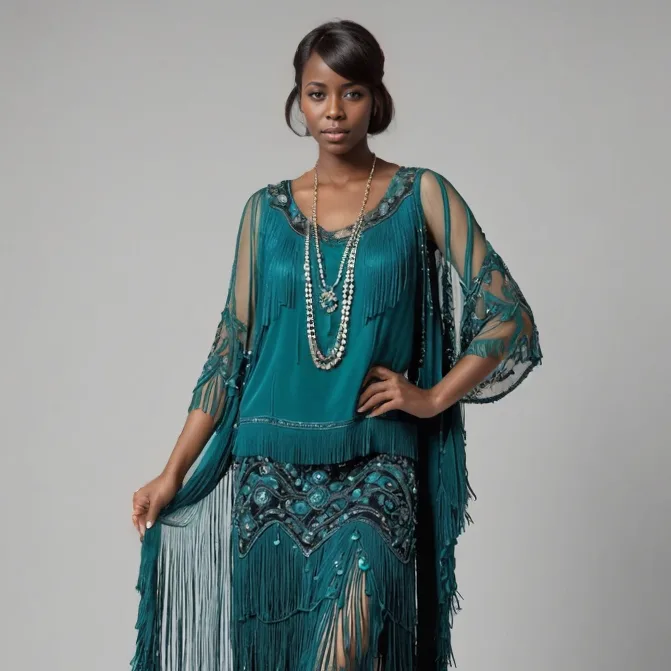
The technology makes it possible to show clothing on a wide variety of model types, which supports body positivity and representation in several ways.
- Diverse body representations. Garments can be shown on models of different sizes, shapes, and proportions, so customers can see how a piece would look on a body like their own. That matters most for plus size, petite, and athletic figures, all under-represented in traditional fashion media.
- Ethnic and cultural diversity. Adjusting the ethnicity or cultural background of a model lets brands speak to the audiences they actually serve, and helps people from all backgrounds feel recognized in the content they see.
- Gender fluidity and non-binary representation. Imagery can also include models representing various gender identities, from transgender to non-binary, which widens how gender is shown in fashion and makes a brand legible to more people.
Other benefits for the fashion industry
Cost reduction. Traditional photoshoots are expensive: model fees, photographers, stylists, post production. Modifying models inside existing images removes much of the need for repeat shoots, and cuts retouching and compositing work as well.
Customization for e-commerce and retail. Online stores can offer a more personal experience by showing a garment on different model types at the click of a button. Customers can view clothing on models whose body shape or features resemble their own, which makes the decision easier and can reduce returns, since the expectation set before purchase is closer to reality.
Ethical and sustainable marketing. Rather than relying on a small group of models to represent an entire line, brands can produce diverse imagery without stacking back to back shoots. Fewer flights and fewer crews on location also lower the physical footprint of a campaign.
Creative freedom for designers. Separating the model's characteristics from the garment gives designers room to play. They can see how different models bring out different aspects of the same piece, and experiment knowing the images can be adapted quickly for whatever the campaign turns out to need.
Where fashion marketing goes from here
The feature is likely to keep evolving. More granular controls are plausible, adjusting poses or facial expressions, or building entirely new virtual models from scratch, which would allow marketing pipelines that run digitally from first image to final campaign.
It could also connect to augmented reality or virtual fitting rooms, where customers interact with AI generated models in real time and see clothing on figures close to their own physique.
In short
Model customization saves brands time, reduces cost, and makes inclusive fashion imagery achievable at normal budgets. By letting designers change how a model looks without touching the clothes, it moves the industry toward work that is more representative and more efficient at the same time.
Try it on one of your photos
Take a product image you already have and swap the model. Open the AI models studio to start, or see the dedicated feature for changing the model while keeping the clothes. If you want the garment on a model from scratch instead, virtual try-on does that.