How to Use AI Generated Fashion Models with Multiple Items (1, 2 or 3) for Your Business
16 February 2026
Fashion brands are adopting AI models to change how products are visualized, marketed, and sold. From young labels to established houses, AI fashion models are a fast and scalable way to produce high quality visuals without a traditional photoshoot. A business can create AI generated fashion models in seconds from nothing more than product images, and show clothing, shoes, jewelry, and accessories on virtual models that match the audience it sells to.
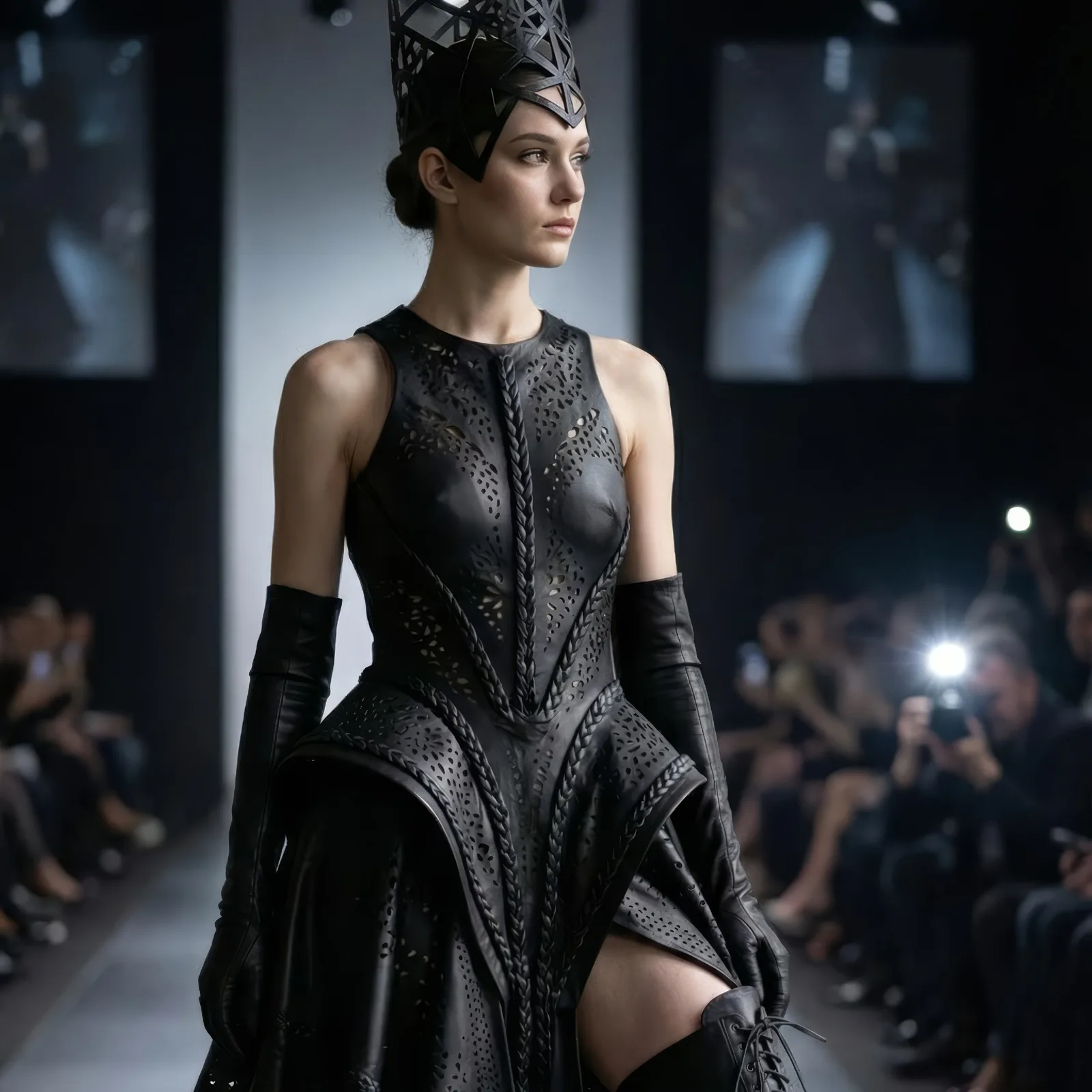
Why AI models are changing fashion content creation
AI models reshape content production by cutting costs, saving time, and opening up creative flexibility. A traditional shoot needs logistics, a studio, a photographer, a stylist, and post production. AI fashion models remove those barriers by letting a brand generate visuals on demand, which makes it possible to test looks, styles, and combinations that would otherwise take a real budget to explore.
Visualizing multiple items in a single look
The most useful application of AI generated fashion models with multiple items (1, 2 or 3) is outfit visualization. Instead of presenting products one by one, a brand can display complete looks that give customers an idea to buy into. Garments, shoes, jewelry, and accessories combine into a single coherent outfit, which improves storytelling, makes each product more appealing, and creates cross selling opportunities that a solo product shot never offers.
Consistent branding across the catalog
Consistency is what separates a professional catalog from a collection of images. AI fashion models let a brand hold the same lighting, poses, and styling across thousands of pictures. Whether the visuals go into a campaign or onto a product page, the result stays visually coherent, which strengthens brand identity and makes browsing easier for the customer. When the same face has to come back across a whole catalog, consistent AI models keep that character stable from one shot to the next.
Better e-commerce performance
Visual quality has a direct effect on conversion. Customers engage more with a product when they can see a realistic representation of it. AI models for fashion let a brand produce polished product imagery without waiting on a production schedule, and presenting clothing and accessories on a model builds a shopping journey that supports the decision to buy.
Diverse styles and audiences
Modern consumers expect representation and variety. AI fashion models let a brand generate virtual models that reflect different demographics, aesthetics, and moods, which matters most for labels selling into several markets at once. Visuals can be tailored market by market without organizing a separate shoot each time, so campaigns stay adaptable and inclusive.
Faster marketing and social media production
Speed decides a lot in digital marketing. Trends move quickly and brands have to react while the moment is still open. AI models make it possible to produce promotional content, seasonal campaigns, and social assets in minutes rather than weeks, for ads, for the website, and for social platforms, which keeps the brand present and current. Catalogs that need volume can run the same process through bulk generation.
Creative possibilities beyond photography
AI fashion models are not limited to imitating traditional photography. A brand can explore artistic concepts, stylized visuals, and imaginative presentations that go past what a camera would allow, while keeping professional quality. That room to experiment is how a label builds a memorable visual identity in a crowded market.
Try it with your own products
Start with one product image and see it worn. Open the AI models studio and build your first complete look with one, two, or three of your items on the same model.