AI Jewelry Generator: What AI Changes in Jewelry Design
9 January 2024
Jewelry design is heading into a real transformation as artificial intelligence works its way into the trade. The influence runs through both halves of the business, the creative side and the manufacturing side, and it points toward more inventive designs, more personal customer experiences, and a leaner process overall.
Personalized design experiences
The biggest contribution AI makes to jewelry design is personalization. Algorithms can read customer preferences, past purchases, and even social media behavior, then suggest or generate custom designs from what they find. That does more than raise satisfaction. It opens markets for bespoke pieces that were previously too slow or too costly to serve.
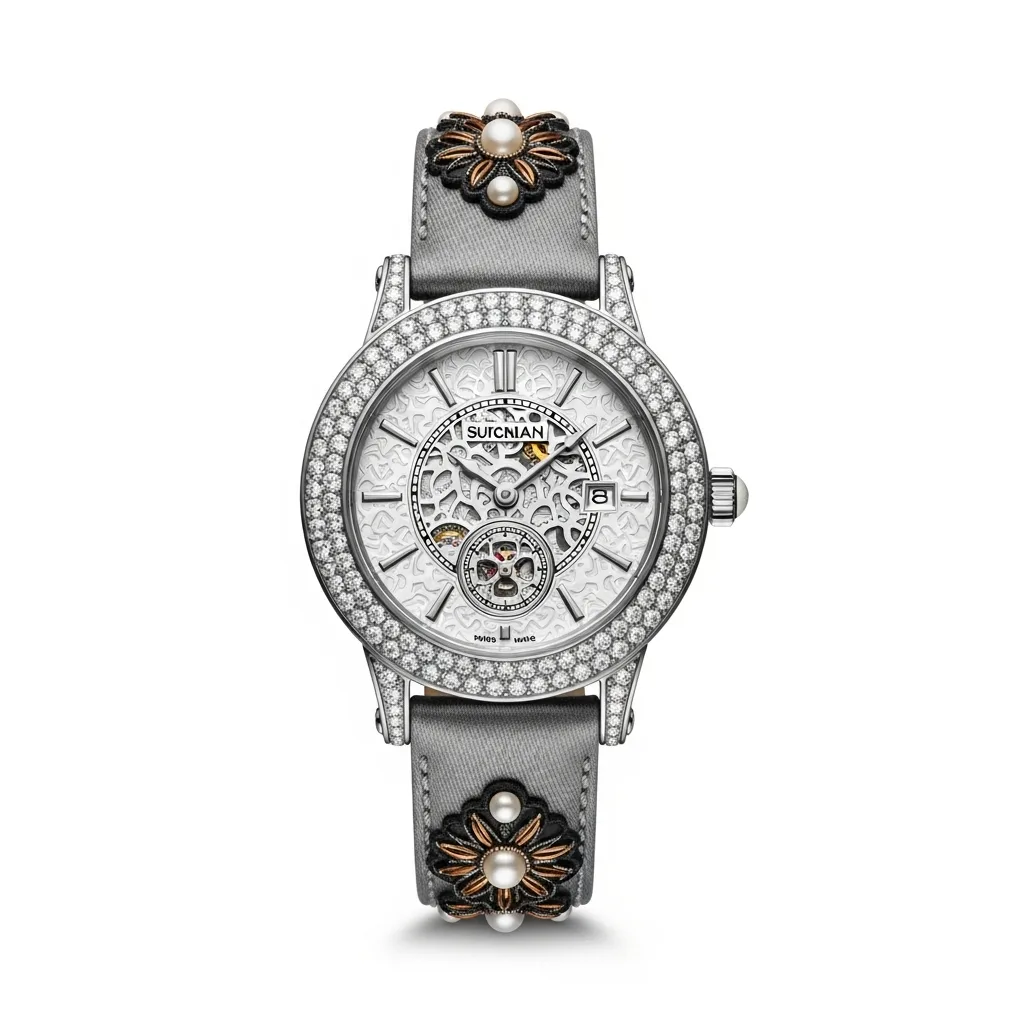
Enhanced creative possibilities
AI widens the range a designer can explore. It proposes combinations of materials, shapes, and textures that would not necessarily surface on their own, which is how genuinely new pieces get made. Used this way, the tool pushes past the boundaries of traditional jewelry aesthetics rather than reproducing them.
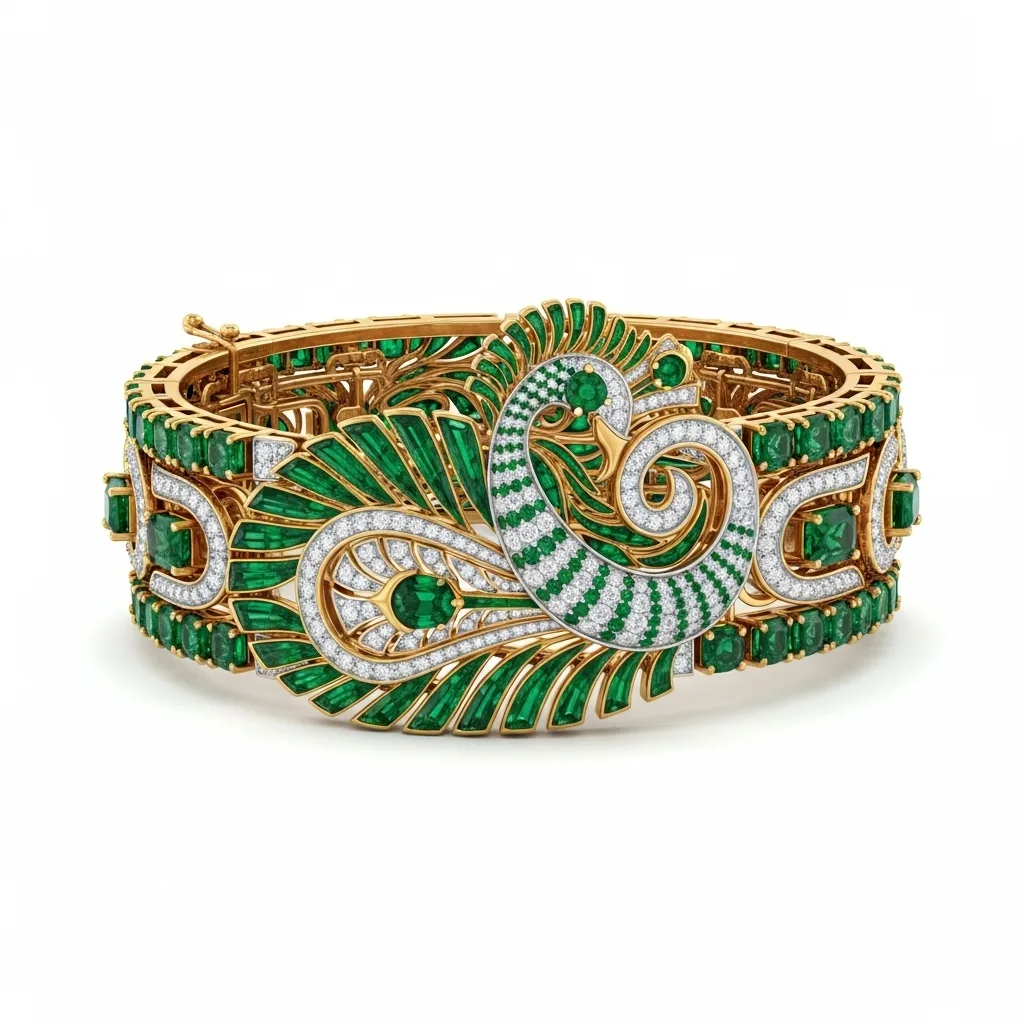
Efficient manufacturing processes
On the production side, AI optimizes the process itself: predicting the best methods for material usage, cutting waste, and improving the precision of the crafting. The saving is financial and environmental at once, which matters in an industry facing steady demand for more sustainable practice.
Real time market analysis
AI tools can run market analysis as it happens, which tells designers and brands what is currently moving and what customers are asking for. Pieces built on that insight are more likely to land with the intended audience, so the work stays artistically relevant and commercially sound at the same time.
Challenges and considerations
The benefits come with real questions. Jewelry is a craft trade, and the value placed on traditional craftsmanship has to be balanced against what the technology can do. There are also ethical issues to face directly: data privacy on one side, and the possible reduction in human labor on the other.
Conclusion
AI is set to change the world of jewelry design substantially. Personalizing products, expanding creative range, streamlining manufacturing, and reading market trends together represent a large opening for innovation. The integration still has to be handled thoughtfully, with respect for the craftsmanship tradition and for the ethical questions the industry now carries. Handled that way, the future of jewelry design looks broad and more inclusive, able to serve a much wider range of tastes.
Start with a single piece: open the design studio and generate a ring, a bracelet, or a necklace from a description. To show a finished piece on a person, see AI models for jewelry or virtual try on for jewelry.