How to Create an AI Fashion Model for a Dress
6 January 2026
Professional fashion visuals no longer require an expensive photoshoot or a long production timeline. With AI fashion models, brands and creators show dresses quickly, consistently, and at scale. Generated models present a garment realistically for e-commerce or social networks, which saves both time and money. Here is how to create one, step by step. The direct route is the AI model generator for dresses: a dress photo in, a model wearing it out.
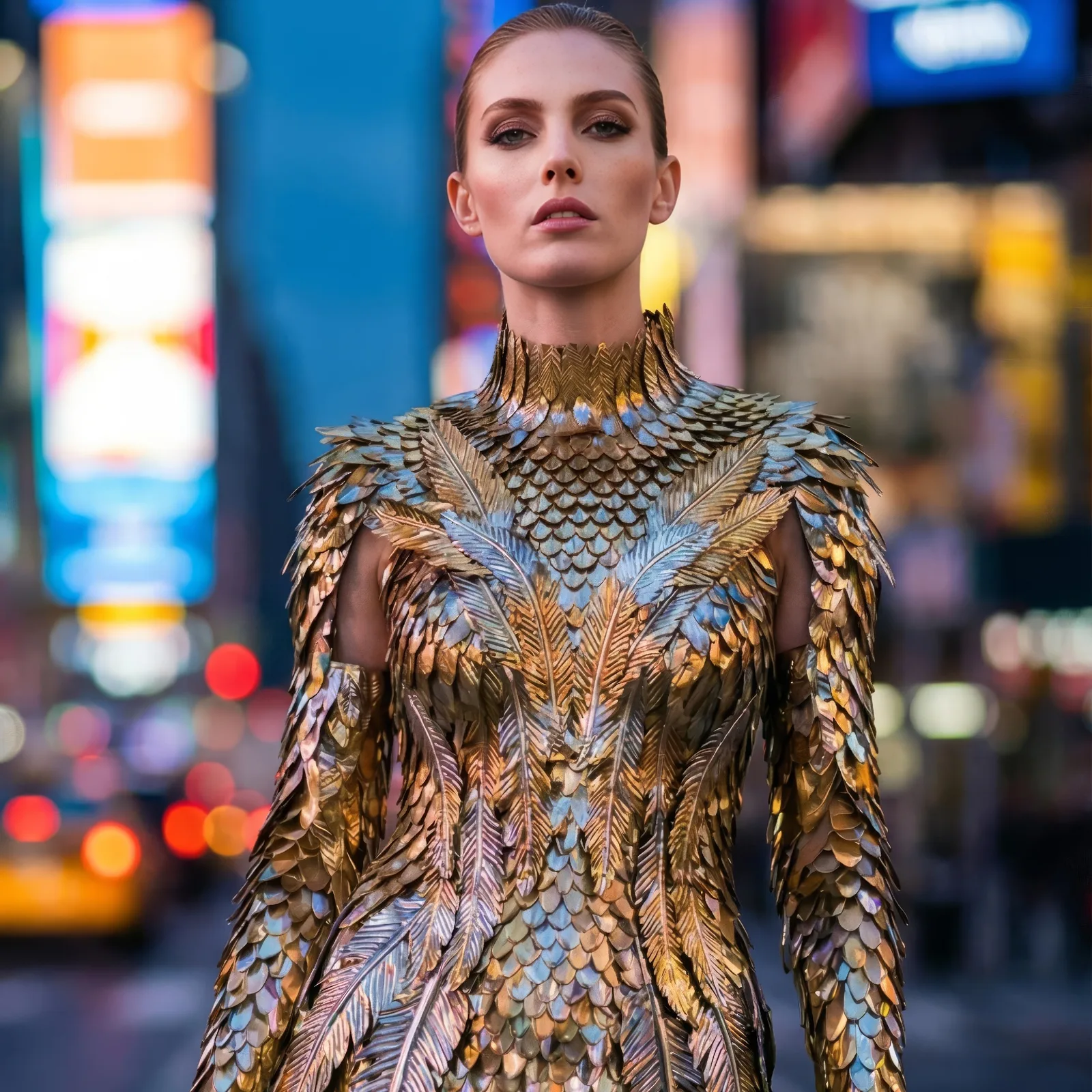
What an AI fashion model is
It is a digitally generated model that simulates real human proportions, poses, and styling. These models are built to wear garments naturally, so a brand can see how a dress looks on a real body without hiring a model or a photographer.
Why use AI models for dresses
Visuals come out faster and cost less. Instead of organizing fittings and a shoot, you generate several looks in minutes. That matters most for e-commerce or social networks, where fresh content is needed regularly and consistency across a collection is part of the brand.
Prepare your dress image
Start with a clear photo of the dress. Flat lays, ghost mannequin images, or clean product shots work best. Make sure the fabric, the shape, and the color are visible. A high quality input is what makes the generated model look realistic. If you are starting from a photo with a person in it, a ghost mannequin pass gives you a cleaner input.
Customize the model
Most tools let you define body type, skin tone, pose, and styling. Choose them to match your audience. The right proportions and posture are also what make the dress hang naturally on the model, which is most of what realism comes down to.
Generate for e-commerce or social networks
With the model and the dress set, you can produce images built for their destination: different angles, close ups, or lifestyle scenes. The same setup adapts to product pages, campaigns, or social posts without repeating the whole process each time.
Edit and refine the results
Review the images carefully once they come back. Small changes to the background or the lighting improve the final look noticeably. Iteration is quick, so you can test styles and formats until the dress is presented the way you want it.
Saving time and money
AI models cut production costs and shorten content creation. Brands launch collections faster, experiment more freely, and keep a strong visual presence online. Knowing how to build a model for a dress gives designers and brands a dependable way to produce the kind of visuals digital retail now demands.
Put your dress on a model
Take one dress photo and generate the first look. Open the AI models studio, or see how virtual try on handles dresses and clothes when you already have a model photo.