Why It Is Convenient for Brands to Experiment with AI Virtual Try On
12 February 2026
Fashion brands are adopting digital tools that simplify content creation and product visualization. AI virtual try on is one of the most useful of them: it presents garments and accessories on realistic digital models without a traditional photoshoot. From clothing to jewelry, the approach helps a brand move faster, spend less, and open up creative options it did not have before. Virtual try on for clothes and accessories has become part of how modern marketing, e-commerce, and brand storytelling get done.
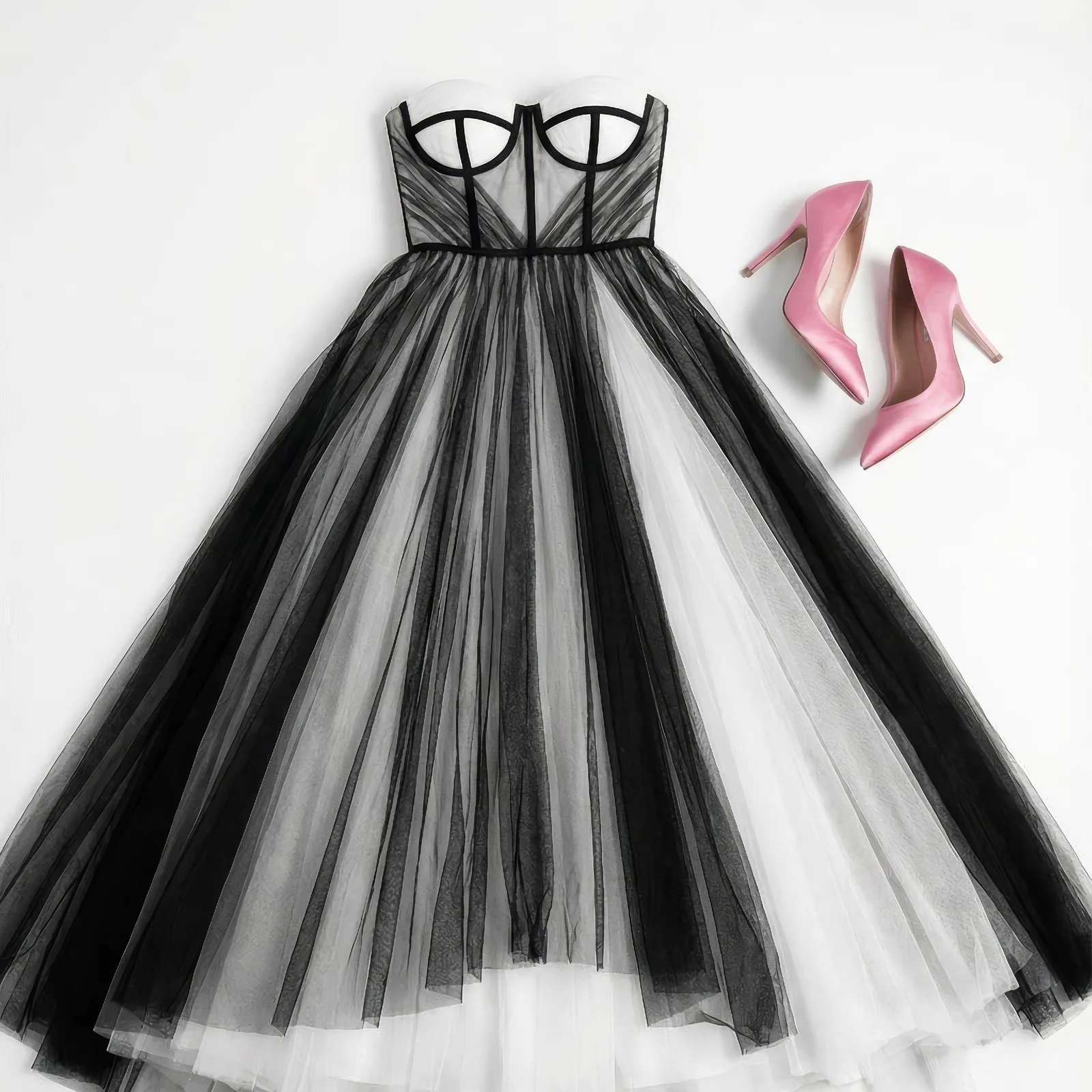
Faster visual content
Speed matters in fashion. Trends turn over quickly and a brand has to keep producing fresh visuals for its site and its social channels. AI virtual try on for clothes generates realistic images and videos of models wearing a design in minutes. Instead of coordinating photographers, studios, and samples, a team can look at a new collection immediately and launch the campaign much sooner.
A cost efficient alternative to photoshoots
Traditional fashion photography is expensive and slow. Studio rental, models, lighting, and logistics all add up. Virtual try on produces lifelike model imagery digitally, so a brand can test several looks, colors, and styles without repeating a costly shoot. That difference weighs most for startups and growing labels working with a fixed budget.
Clearer product visualization for customers
Online shoppers often struggle to picture how a product will actually look. Showing clothes, shoes, and accessories on a realistic model improves the buying experience, builds confidence, and removes some of the uncertainty that stops a purchase. Easy visualization turns into a practical advantage for a digital retailer.
Versatility across fashion categories
One of the strongest points of AI virtual try on is how far it stretches across a catalog. The same technology applies to jewelry including bracelets and rings, to shoes, to bags, and to fashion accessories in general. A brand can keep one visual identity across very different product types while simplifying how the content is produced.
Creative freedom and experimentation
Visualization tools of this kind reward curiosity. Designers and marketers can test a bold concept, an unusual combination, or an entirely new aesthetic in the time it takes to describe it. Futuristic outfits or elegant accessories, either can be explored without risk, and ideas that once needed careful planning can now be tried straight away.
Content that scales for marketing and social media
A modern brand needs a steady flow of content. Virtual try on makes it easier to scale visual production for advertising, product launches, and social media, and the resulting images and videos adapt to different campaigns, seasons, and audiences. That is what keeps a brand present across every digital channel instead of visible on one and quiet on the rest.
A shift in how the industry works
AI virtual try on is more than a convenience. It points at a broader change in how fashion brands design, present, and promote products. Adopting it aligns a company with technologies that are reshaping creative workflows and customer interaction, and brands that explore these tools early tend to hold an advantage in digital innovation.
Try it on one garment
The quickest way to judge it is on your own product. Open the virtual try on studio, upload one garment photo, and see it worn.