Explore Clothes Virtual Try On With AI
4 February 2026
Fashion is changing quickly, and AI now sits in the middle of how brands design, present, and market a collection. AI virtual try on for clothes lets designers and retailers produce realistic images and videos of models wearing their products, with no traditional photoshoot involved. It saves time and resources on the brand side, and it gives customers a much clearer sense of what they are buying. Here is what the technology does and where it fits.
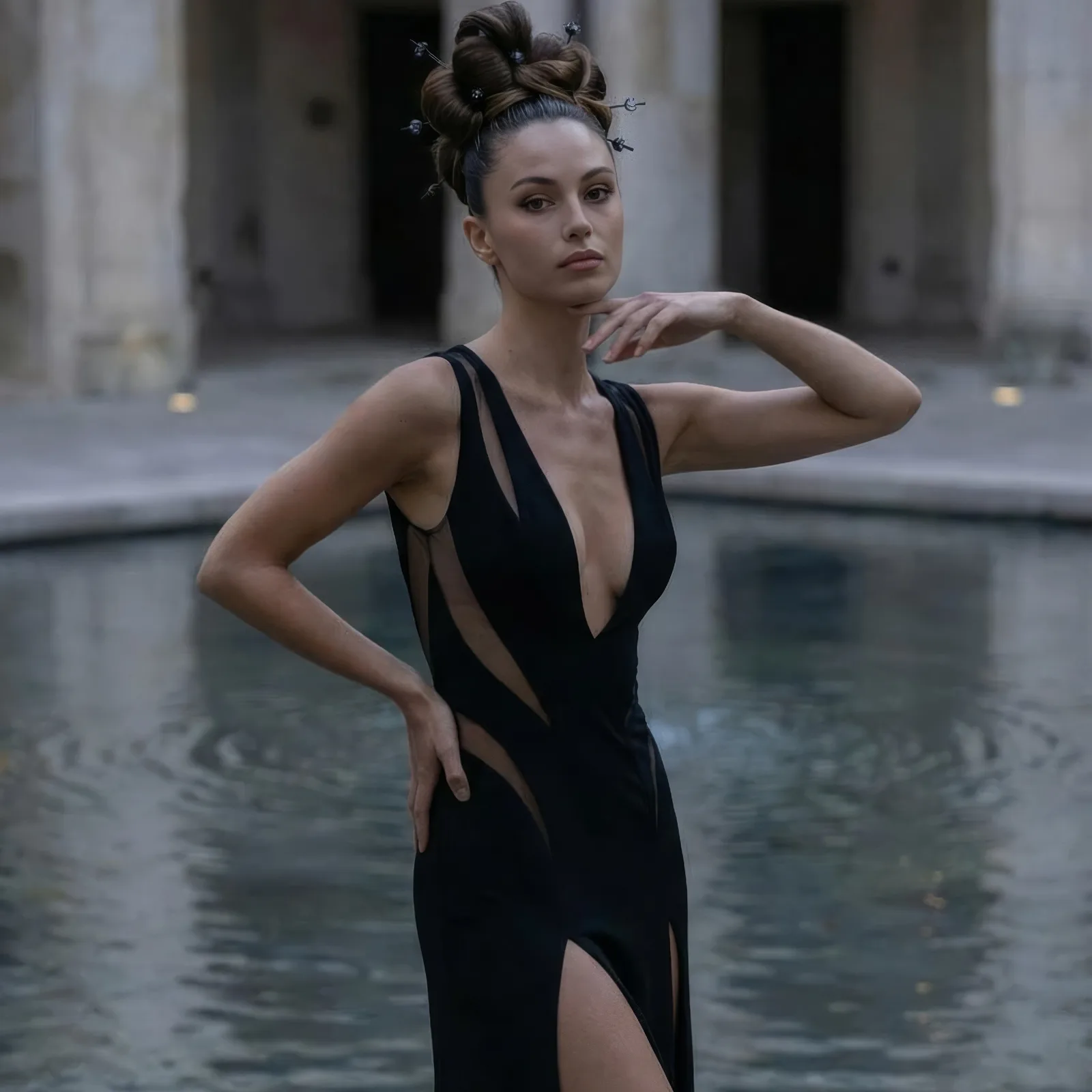
What AI virtual try on for clothes is
Virtual try on digitally simulates how a garment looks once it is worn. Using AI models, a collection can be shown on realistic human figures, which means outfits can be previewed, styles compared, and designs judged before anything goes into production. The output is images and video of models wearing your pieces, which doubles as a way to read where current trends are heading.
What designers and brands gain
The advantages stack up on both sides of the business. Designers test several styles quickly, need fewer physical samples, and iterate faster. Retailers present products in a way that holds attention, which supports conversion and customer satisfaction. The creative process gets shorter and production costs come down at the same time.
Realistic visuals
The tools produce high quality images and video of models wearing your designs. Fabric texture, fit, and movement are all simulated, so the garment reads as a real object rather than a flat overlay. Angles, poses, and lighting can be adjusted until the result meets a professional standard, which makes planning campaigns and e-commerce content much simpler.
Trying style variations
Exploring colors, fabrics, and patterns on the same model is straightforward. Several versions of one outfit can be generated in minutes, which helps a brand test concepts and put a wider range of options in front of buyers or online shoppers. For accessories, the same logic applies through try-on for bags and try-on for shoes.
Faster marketing production
Content gets made faster and with less overhead. Social campaigns, product launches, and online catalogs all draw from the same pool of realistic visuals. Showing designs digitally lets a brand stay current with trends and reach a wider audience with material worth sharing.
A lighter environmental footprint
Digital simulation reduces the need for physical samples and photoshoots, which cuts material waste and carbon output. Fewer production mistakes also means less unnecessary manufacturing. Designers can iterate as long as they need to in a virtual environment, and nothing is wasted in the process.
Where this is heading
Virtual try on is changing how fashion brands operate, from the first concept through to the marketing. Designers create realistic visuals, follow trends, and move faster than the old production cycle allowed. The result is a way of working that is efficient and sustainable without giving up creative range.
See your garment worn
Test it on one piece: upload a garment photo and put it on a model. Open the virtual try-on studio and start there. For a closer look at dresses specifically, virtual try-on for dresses goes into more detail.