Protect models from unauthorized use of AI
Published 1 March 2024
The fashion industry is moving fast, and artificial intelligence has brought a real concern with it: the protection of models' rights. Digital replicas of a model can now be created without that person's consent, which has opened a debate about ethics, privacy, and the future of the profession. This article looks at why the industry is firm on protecting models from unauthorized AI replication, and what the stakes are for brands, agencies, and the models themselves.
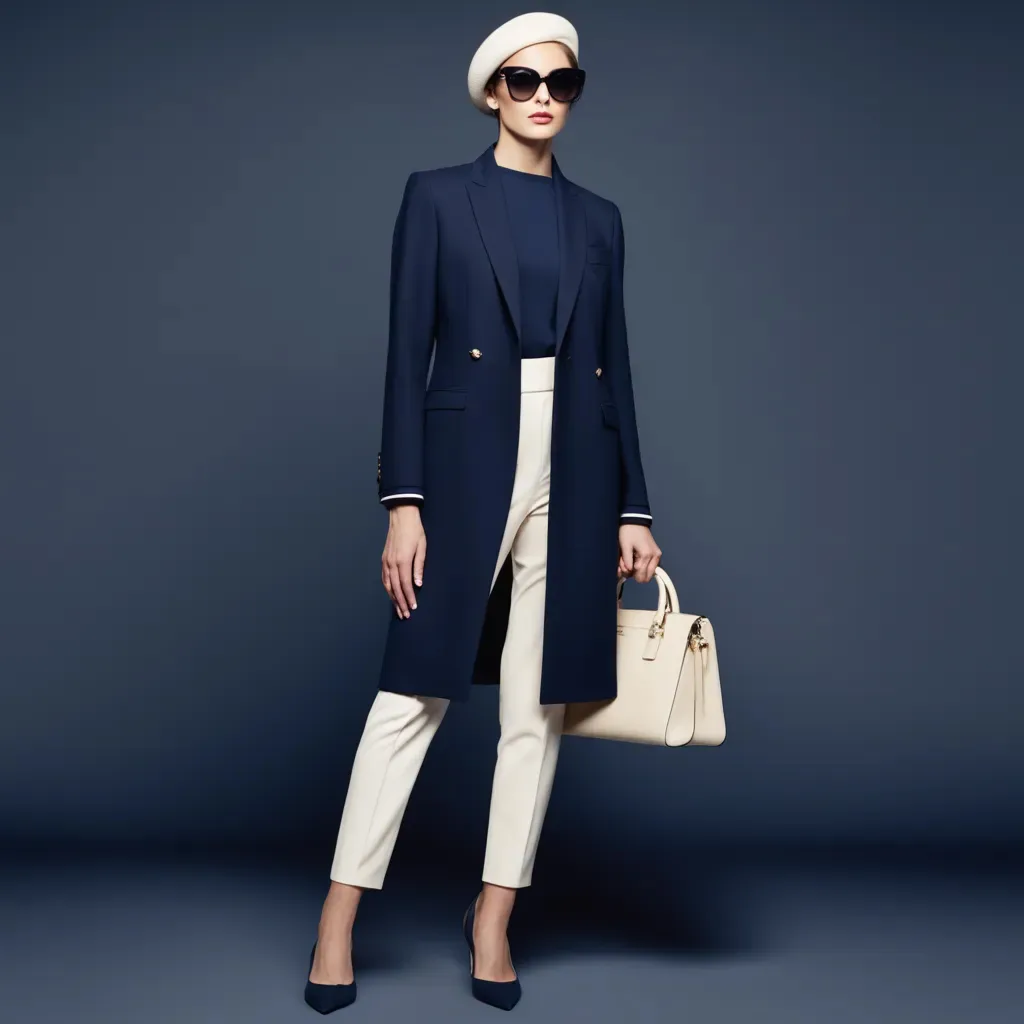
The value of individuality and authenticity
Fashion celebrates individuality. A model brings more to a brand's image than a physical appearance: a sense of uniqueness, a personality, a connection to the audience that digital means cannot fully reproduce. Creating a replica without permission works against those values. It reduces a person to a set of physical attributes and strips away part of what makes fashion compelling in the first place.
Ethical considerations and consent
Using someone's likeness without their agreement raises serious ethical questions. Consent is a foundational principle, in this industry and outside it. Taking a model's image without permission violates their personal rights, and it sets a precedent that would not stop at fashion: the same logic applied elsewhere would put anyone's likeness up for grabs. What is at stake is a person's autonomy and their right to control how their image is used.
Economic impacts on models
Modeling is a profession, and like any other it pays people's bills. Unauthorized digital replicas have the potential to disrupt that economy. If brands and agencies can replicate a model indefinitely without compensating anyone, the number of paid opportunities for human models drops, and so does income and career longevity. Protecting models against unauthorized replication is therefore also about safeguarding their economic rights and making sure the work gets paid for.
Legal implications and intellectual property rights
Digital replicas touch on complex questions of intellectual property. A model's image is part of their personal brand and, by extension, part of their intellectual property. Replicating it without consent infringes on those rights, and it opens the door to legal disputes whose outcomes will shape how copyright and privacy law work in a digital era.
Maintaining brand integrity and trust
For brands, unauthorized replicas cut both ways. There are cost savings and creative flexibility on one side, and reputational damage on the other. Consumers pay attention to authenticity and ethical practice. A brand that uses or supports the unauthorized use of a model's likeness risks a backlash that costs more in trust and loyalty than the production budget it saved.
Where the industry needs to land
The push to protect models from unauthorized AI replication comes from a commitment to individuality, authenticity, ethical standards, and economic fairness. As the technology keeps evolving, the industry and lawmakers have to work together on clear guidelines that respect models' rights without shutting down innovation. The aim is a digital future for fashion that works for everyone involved, models, brands, and consumers, without giving up the values that make the industry worth being in.
Work with models you are entitled to use
Generated models are one answer to the consent problem, provided they are generated rather than copied from a real person. The AI models studio creates fashion models for your garments, and consistent models for e-commerce keeps the same face across a whole catalog when a brand needs continuity.
Related articles
- AI Fashion Models, How They Are Made: The New Black AIAI fashion models explained: how a product photo becomes an on-model image, what one image costs in credits, and when a brand should use them instead of a shoot.
- AI Fashion Models and EditorialsHow AI fashion models and editorials work: digital human models, magazine style visuals, e-commerce content, and one consistent look across channels.
- What is Y2K Fashion: The New Black AIWhat is Y2K fashion: the style of the years around 2000, its key pieces, outfits for women and men, how it differs from the 90s, and how a brand designs a Y2K collection.
- How to Make a Fashion Lookbook: The New Black AIHow to make a fashion lookbook in 7 steps: who it is for, editing the looks, one visual direction, shooting or generating, layout, words, and publishing a digital lookbook.
- Shopify Profit and Loss by Month: The New Black AIThe Store page of The New Black AI now shows a Profit & loss for a Shopify fashion brand: this month and the one before, net sales, cost of goods, ad spend, your own costs, profit and margin.
- AI Fashion Templates Free for Commercial Use: The New Black AIThe models, garments, fabrics and backgrounds provided in the studio are cleared for commercial use: your campaigns, your product pages, your lookbooks. And what you generate is yours on every plan.
- Generative AI in Fashion: What It Does, What It Does Not, and Where to StartGenerative AI in fashion, job by job: design, product imagery, video, tech packs and copy, what it does not do, and the one test a brand should run first.
- AI Fashion Video: UGC, Model Walk, Product 360Three guided video workflows from your photos: a UGC clip with a presenter and voice, a runway walk from one model image, a turntable from the front and the back. What each needs, costs and is for.
- The Future of AI Fashion: AI Agents That Run Your Brand While You SleepAI agents on The New Black AI turn fashion workflows into hands: describe an outcome, the agent does the work, learns the brand, and runs on a schedule while you sleep. Where this goes.
- AI Agents for Fashion Brands: What They Do, What They Cost, How to Hire OneWhat an AI agent does for a fashion brand, in practice: catalogue visuals, weekly posts, tech packs from photos. Prices, plans, ceilings, limits, and how to run the first week without wasting credits.