How to Create a Clothing Brand
Published 25 March 2024 · Updated 9 October 2026
What is a brand, in the end? It is a reputation, recognizable by a logo. So creating a brand means building a reputation. A reputation is the general belief or opinion your customers and the public hold about you. Very hard to build, very easy to kill. When we buy a brand, we buy a reputation. Try this game: every time you read or hear the word "brand," replace it with "reputation." You will understand much faster what you are actually taking on.
Building a brand is a game of creativity, vision, and determination. The good news is that you can start on a small budget today. This article focuses on what is genuinely essential to get going in a crowded market. In one word: uniqueness. Here is how it breaks down.
1. Define your brand identity and start fast
Your brand identity is everything: mission, vision, target audience. It is your magic formula. You will find plenty of articles online detailing those concepts. But here is something that gets said far less often: this is something you will not really find until you start. Why? Because your brand identity has to resonate with your audience, and you cannot know what resonates until you test ideas in the real world.
Creating a brand takes a lot of energy at the beginning, because you have to test many ideas, messages, and visuals before you find what works. That is what people call product market fit. So the most important thing is to get started as fast as possible, and adapt your identity over time. Every brand that focused only on the founder's idea and never listened to what resonated with the market is no longer around to talk about it. Start with your original idea. Do not try to be perfect. Try to be unique and quick to implement.
2. Do not make a business plan. Build the website instead.
Business plans are a waste of time at the beginning. You do not need one. You need to get into the real world as fast as possible, make your vision concrete with a website, and make your first sales in the first month. There is no time to think for months, because you do not know what will work or how people will react until you show it in reality.
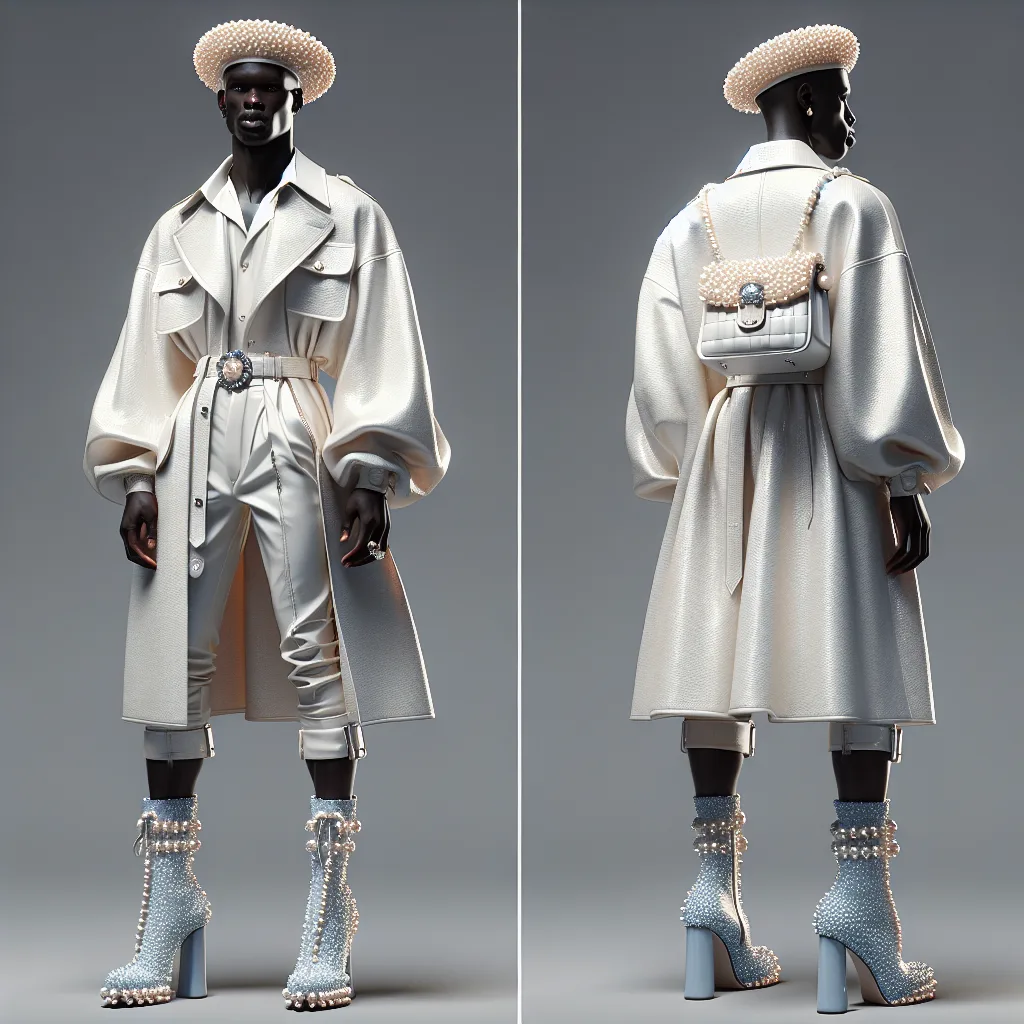
It can be nothing more than photos at the start, like designs created on our AI design generator, or a single sample. Then run pre sales and see if people are willing to pay.
Building the website first also helps you clarify your vision. It forces you to put the right words on it, to get your ideas in order, and to settle on a clear brand DNA and value proposition. Then show it to the world. If you have an idea, you do not need more than one week to finish your website and put it online. If you need more than that, you are doing it wrong. Trust me.
The longer you wait, the more afraid you will be to start, because time is an investment and nobody wants to lose an investment. So do not spend months making every detail perfect. Just dive in. You will have less to lose. It is cheap to test a brand idea today, so test several. Do not put too much ego or importance into any one of them. Keep the mindset light and happy. Remember: it is not serious until it makes real money. So enjoy it. Be creative. And do not invest much money until you see real interest from customers, because investing makes things serious, and you really do not want things to feel serious before your first sale. It kills creativity outright.
For the website itself, Shopify is the easiest route and the prices are low, so there is no excuse. Start quickly and adjust later. That is the best way to do it.
3. Design your first product or collection with AI
Forget trends and what is fashionable right now. If it is a trend today, it is already too late. Look for your own message, the thing that actually reflects your vision. That is how you succeed. With luck it becomes a trend later. And even if it never becomes a global trend, you will find customers who love your vision and stay loyal to you.
There are billions of us on this planet, and unless the next trend is to be naked, everyone needs clothes, and everyone tries to assert an identity through clothes at some point. So do not be afraid of new ideas. You cannot get lost if you genuinely follow what you think. Do not follow, create something that comes from you, then test it and adapt. That is what makes a brand unique.
Be bold. Do not try to fit in. Take the risk of being seen for what you think and what you truly believe. Otherwise you end up in the cluttered world of similar brands already dead before they started.
4. Pre sell, then source materials and manufacturers
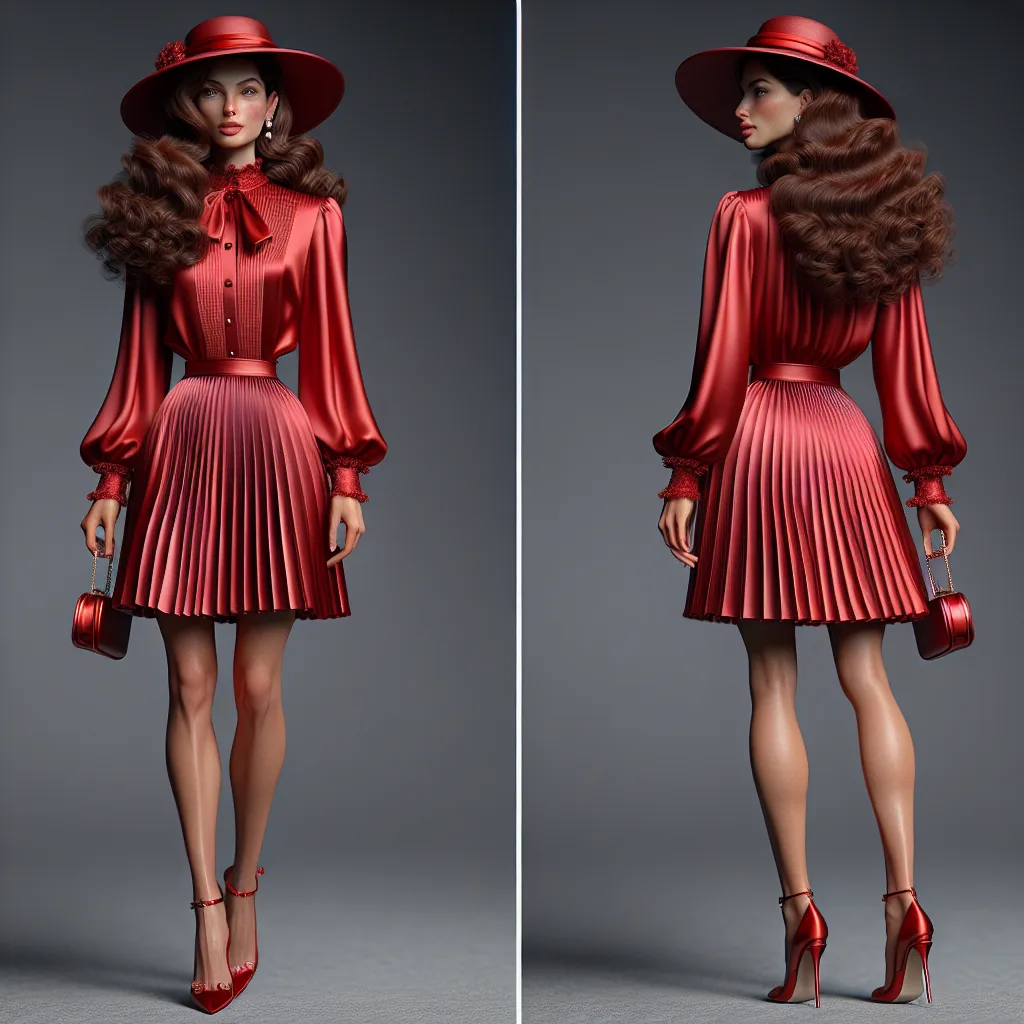
Before anything else: you can pre sell on an idea alone. It is the best way to save your money, build a community, and test clothing ideas at the same time. Only finance a production run when you are absolutely sure you will sell it, or when you already have the pre sales. Start by selling your vision and see whether your audience relates to it.
Then, of course, the right suppliers and manufacturers decide the quality and durability of your products. From experience, and despite everything said about it, China is the most responsive market. You can reach manufacturers and suppliers at any hour, you can find every level of quality from the best to the worst, they answer fast, and the prices are affordable. Just do not forget customs taxes and shipping costs.
If you are in Europe and want local manufacturers, Portugal, Italy, and Eastern European countries such as Romania, Poland, or Bulgaria have good networks at affordable prices. In the United States you will find options too. Foursource is a useful place to search for manufacturers anywhere in the world.
Look for low minimum order quantities at the beginning. Search hard enough and you can find good manufacturers willing to produce 100 to 150 pieces per model. Below those quantities it gets difficult.
5. Be unique so your margins can fund your growth
High margins are what let you grow, invest in customer experience, and develop new products. If your value proposition or your products are truly unique, you can sell at higher prices. If you are one of the crowd, you will be forced to compete on price.
Why do luxury brands provide exceptional customer experiences? Because they have high margins. Why can they sell at such high prices? Because their customer experience is unique. It is a virtuous circle. So be as unique as possible, to the point where your customers have no other choice than you. Then you set your own price, and that freedom is what pays for a genuinely good customer experience.
Being truly unique is hard, and a clothing brand is often a low margin business. Try really hard anyway, because a low margin business is difficult and ultimately depends on volume, and volume is very hard to reach without financing. No funding plus low margins means you cannot finance growth, and you are stuck. So make your life easier and think seriously about how to make your brand REALLY unique in its value proposition, ideally with a barrier to entry, a technology for instance, so a competitor cannot simply follow you.
6. Start organic. Advertise later.
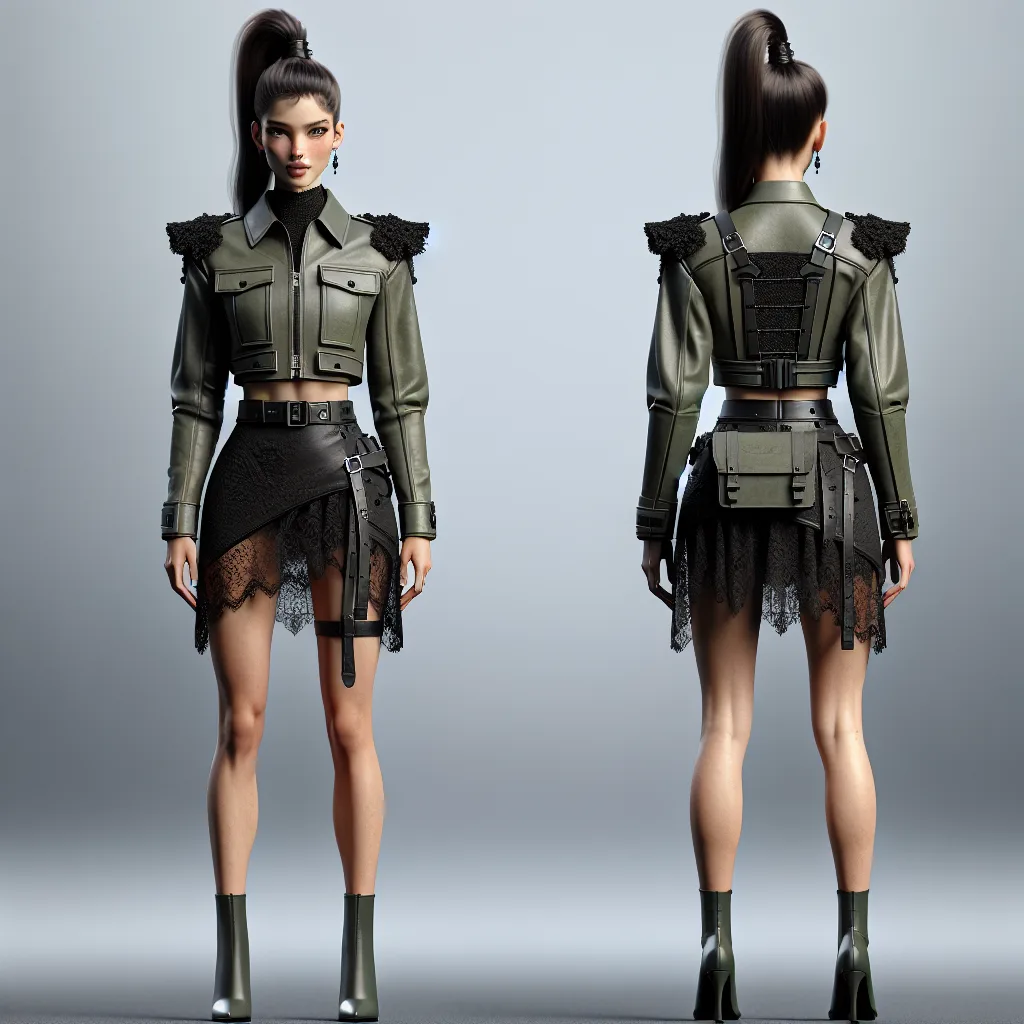
In the crowded world of clothing brand marketing there is a lot of noise. Less is more. Be simple but effective. Nobody has time. Everybody is scrolling at the speed of light. Nobody is waiting for you, and nobody cares. So your message and your visuals need to land hard and land fast. Do not beat around the bush. Think about your unique value proposition and advertise it in a memorable way, so people understand your uniqueness in five seconds and what it does for them.
But before you advertise, favor organic communication at the beginning. Your margins are essential when you have no financing, and paid advertising will eat them. On top of that, paid advertising only works when your core business already converts well organically.
So work on organic reach first. That will force you to be creative and to find the right message and the right format. That is the REAL work. Once it works and you have the formula, scale it with ads. Not before. Otherwise you lose your money, and you cannot run a business on ads alone with a low return on investment. Either way, if you try ads first, your margins will not allow it, because you have no loyal customers yet to finance the new ones. We are not in 2015 anymore. Facebook Ads and Instagram Ads are expensive now. Avoid them as long as you can and get attention for free by being inventive.
7. Launch, gather feedback, iterate
Start with family, friends, and people you know. Do not be afraid. Remember, no ego in it. It has to stay fun and light at the beginning, because pressure kills creativity. Be yourself and follow your vision. Try to make one pre sale. Then ten. Then a hundred.
Worried about delivery time? Your customers will wait. It is clothes and a few dollars. But communicate about it. Do not leave your customers wondering what is happening. Be active and keep them informed, which is what 95% of people mainly expect. Tell them you need 50 more pre sales to start production, that you need their help. Involve them in the process. That is how a community forms at the beginning.
Remember too that every brand, even the biggest today, started small. Your first sales will be hard to make. When they come, collect the feedback and analyze the sales data to understand what is working and what is not. Talk to your customers, understand who they are and what they want. Identify what they like most about your brand and how it connects to their need or their identity. Once you understand that, you are ready to improve retention, and retention is where the true value of any brand sits. Without loyal customers you are worthless, because the real margins come when a customer comes back: no acquisition cost, full margin. So cherish the customers you have, understand why they love you, and never lose sight of that in anything you do.
8. Scale your brand with an experienced team
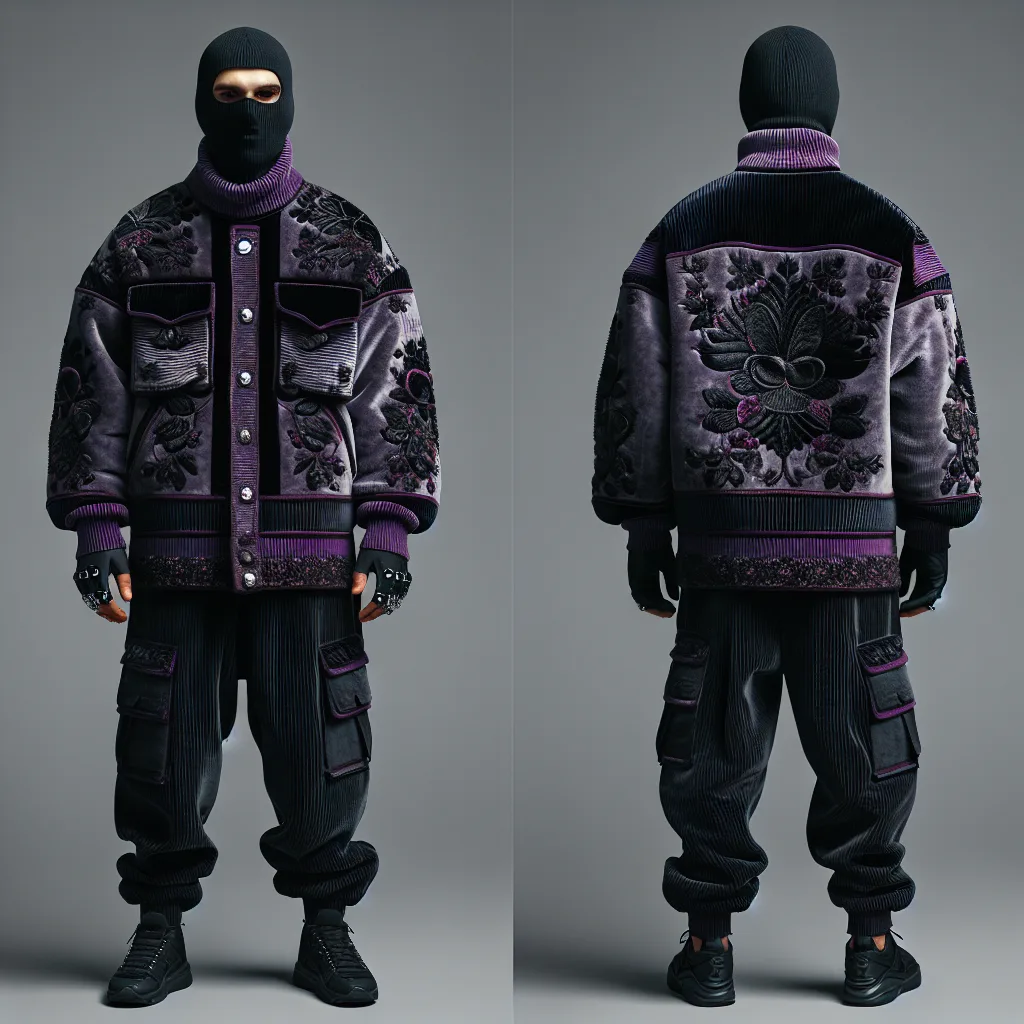
As the brand grows, expand the product line, enter new markets, explore new sales channels. That stage follows a more logical approach than the first steps did. The hard part remains finding your uniqueness and understanding why your customer identifies with your brand. The beginning of a brand is AN ART that only the founder can achieve and understand. There is no formula for it. Find yours. Scaling, on the other hand, is closer to a science, and talented, experienced people can do it later, often better than the founder.
How much does it cost to start a clothing brand?
There is no single figure: a print-on-demand label can start for the price of a website, a brand producing its own cut-and-sewn pieces needs real stock money. What helps is knowing where the money goes, line by line, and which lines a small brand can shrink.
| Budget line | What it covers | Where a small brand can save |
|---|---|---|
| Samples | First prototypes of each piece, often several rounds | Validate designs with visuals before paying for a sample |
| First production run | Fabric, cut, sewing, trims, at the factory's minimum order | Start with fewer pieces and fewer colours; pre-sell |
| Tech packs | The specification the factory reads | Write them yourself with a tech pack tool instead of a freelance per piece |
| Product photos and campaign | Model, photographer, studio, retouching | Generate model photos from your product shots and keep the shoot for the hero campaign |
| Website and store | Domain, store subscription, theme, apps | A standard theme is enough for the first season |
| Packaging and labels | Woven labels, hang tags, bags, boxes | Simple branded labels first, special packaging later |
| Marketing | Content, ads, influencers, samples to send | Organic content first; paid ads once the product sells |
| Legal and admin | Company, trademark, accounting | Register the name early; the rest grows with sales |
The two lines that sink most first budgets are the production minimum and the photography. The first decides how much cash sits in boxes; the second is paid again for every new colour and every new drop. Both shrink when the collection is tested on screen before anything is made: designs shown as finished pictures, on a model, can be put in front of customers and pre-sold, and only the pieces that people actually want go into production.
Conclusion
Building a clothing brand combines creativity, determination, and strategy. Our main advice: focus on your uniqueness and on how that uniqueness serves a specific market. Try to understand in depth why your first customers made their first purchase. That is the most difficult part. Once you find what works and the pattern behind your sales, scale the brand into a global one.
Start with your first design
The fastest way to make the idea real is to see it. Open the AI clothing design studio and create the first piece of your collection, then put it in front of people and listen.
Frequently asked questions
How much money do I need to start a clothing brand?+
It depends on the model. Print on demand needs little more than a store and designs; producing your own pieces means paying for samples and a first run at the factory's minimum order, which is usually the largest line. Testing designs on screen and pre-selling before production keeps that first run small.
What is the most expensive part of launching a clothing brand?+
For most brands, the first production run and the product photography. Production ties up cash in stock; photography has to be paid again for each new piece, colour and season.
Can I start a clothing brand with no money?+
You can start with very little: a print-on-demand catalogue, or a pre-sale on designs you show as realistic pictures before anything is made. The money then comes from the first orders rather than from savings.
How can AI lower the cost of starting a clothing brand?+
By replacing the costs you pay before you know what sells: design sketches, samples made only to see a piece, and photo shoots for every product. On The New Black AI you design the pieces, see them worn by a model, prepare the tech packs for the factory and publish the visuals to your store, from one account.
Related articles
- White Label Clothing: The New Black AIWhite label clothing explained: how it works, white label vs private label, pros and cons, and how to start a clothing line from blank garments and make it look like your brand.
- AI Product Detail Close-up Videos: The New Black AIThe camera moves in on the weave, the hardware, the finish: the shot that proves quality instead of claiming it, and the one small brands never budget for.
- Create an AI Clothing Design or Even a Whole CollectionGenerate a single AI clothing design or a full collection from a sketch, a photo, or a text prompt, and prototype without physical samples.
- Create Haute Couture Fashion Design with AIUse an AI clothing design generator to explore couture concepts: original designs from your own parameters, fast prototyping, and inspiration in seconds.
- Create a Retro Clothing Design With AIRecreate 60s, 70s, 80s and 90s style clothing with an AI fashion design generator: describe the cut, the fabric and the palette, and see it.
- How to Create a Futuristic Design with AIDesign futuristic clothing with AI: test metallic fabrics, geometric patterns and avant garde silhouettes, then see them on different models.
- Protect models from unauthorized use of AIWhy fashion is pushing back on AI digital replicas of models: consent, likeness rights, fair pay, legal exposure, and the trust a brand stands to lose.
- What is Y2K Fashion: The New Black AIWhat is Y2K fashion: the style of the years around 2000, its key pieces, outfits for women and men, how it differs from the 90s, and how a brand designs a Y2K collection.