AI Agent for Fashion: A Design Partner From Concept to Runway
Published 7 April 2025
Artificial intelligence has already changed the way many industries work, but for fashion designers the potential reaches further than generated images or automated trend reports. An agentic AI would collaborate closely with the designer, not only smoothing out process steps but also supporting creativity and more responsible production. Here is what an advanced AI agent for a fashion designer could look like, and how it could touch everything from the first concept to the runway.
Concept development without the blank page
Designers traditionally gather inspiration from architecture, art, nature, and countless other places. An AI agent could collect and analyze millions of images and references, then distill them into mood boards built around the theme the designer has in mind. Curation is only the starting point: it could also produce first sketches, outline silhouettes, and propose color palettes, so the designer spends their time refining a creative direction rather than starting from nothing.
The agent would draw on social media, cultural events, and runway shows worldwide to spot patterns and recurring visual cues. When the designer says they want to explore "neoclassical with a modern twist", the AI could surface relevant historical motifs, contemporary fabric technologies, and possible color stories, all in one dashboard. That is close to what an AI mood board tool already does for a single collection.
Fabric and materials sourcing
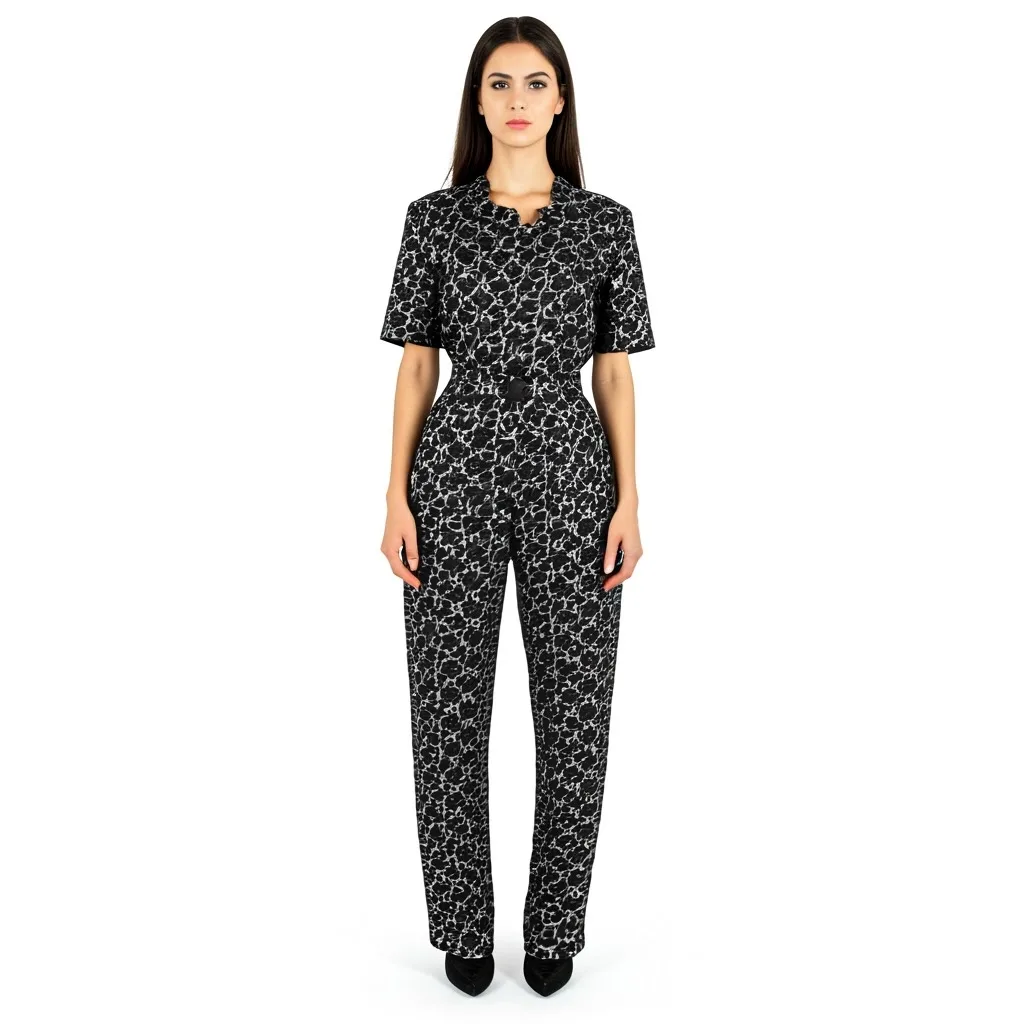
Finding the right fabric can be exhausting. A real AI fashion agent would hold a large database of textile manufacturers, with fabric properties, ethical certifications, and pricing attached. Given a single prompt ("lightweight, eco friendly, and suitable for warm climates"), it would suggest fitting fabrics along with the suppliers that meet specific social responsibility criteria.
Designers constantly balance aesthetics against budget and ethics. The agent could produce a comparative report showing how each fabric affects final cost, carbon footprint, and the story the brand is telling. Informed choices, without hours spent inside spreadsheets.
Pattern making and prototyping
Classic pattern making rests on manual skill, but an AI agent could automate much of the drafting and cut the time between concept and prototype. The designer feeds in precise measurements, silhouette preferences, and fit intentions, and the AI returns first patterns. That same logic already sits behind an automated tech pack for a finished design.
Before a single piece of cloth is cut, the agent could render digital samples in 3D and simulate drape, fit, and movement. The designer sees the final look, iterates quickly, and spends less on trial and error sampling.
Trend forecasting built on data
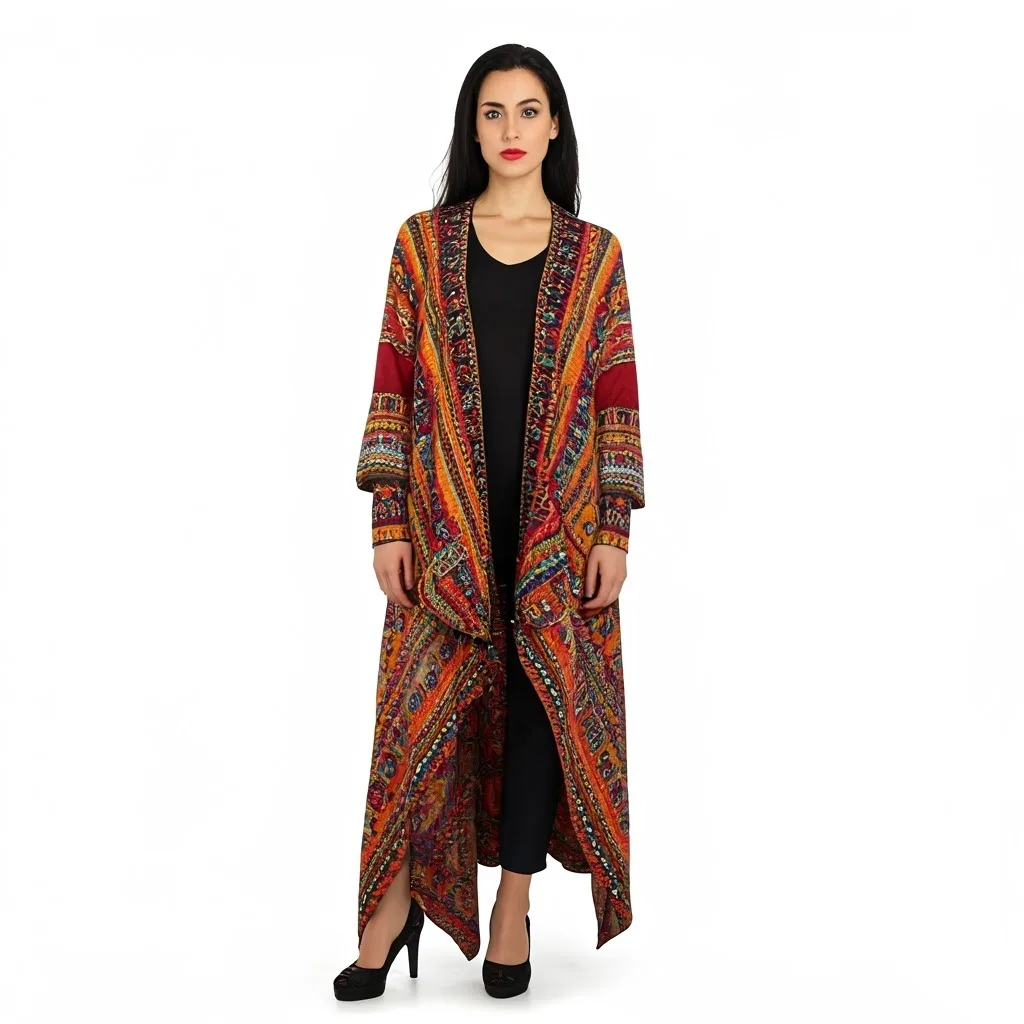
A designer's success usually depends on reading demand a step ahead. The AI agent could gather and analyze data from e-commerce platforms, social media, consumer sentiment, and even economic indicators, then forecast which silhouettes, colors, or themes are climbing. A trend forecasting feature works on the same principle at a smaller scale.
For designers moving into new regions, the agent could show how local cultures and preferences shape choices. It might recommend specific adjustments, such as modesty requirements in certain markets or fabric adaptations for a given climate, so a collection lands properly with local customers.
Supply chain and production coordination
Producing a collection usually means working with several vendors at once: fabric mills, printing facilities, hardware suppliers. An AI agent could match designers with vetted partners on cost, capacity, ethical standards, and lead times, and take much of the friction out of procurement.
Overproducing or underproducing a line is costly, financially and environmentally. By reading historical sales data, market trends, and forecasting models, the agent would advise on how many units to make in each size, color, and style, which limits waste and markdowns.
Brand identity and marketing that stay consistent
Whether it is a lookbook layout, the styling of a runway show, or the visual theme of a website, an AI agent could hold the branding together at every touchpoint. It would look at everything from typeface to color usage, preserving the designer's identity while letting fresh elements in as the style moves on.
Reading consumer data and buying behavior, it could also suggest targeted campaigns or influencer collaborations that match the designer's signature style and ethical position, and help shape storytelling angles that land with the audiences that matter.
Sustainability and ethical insight
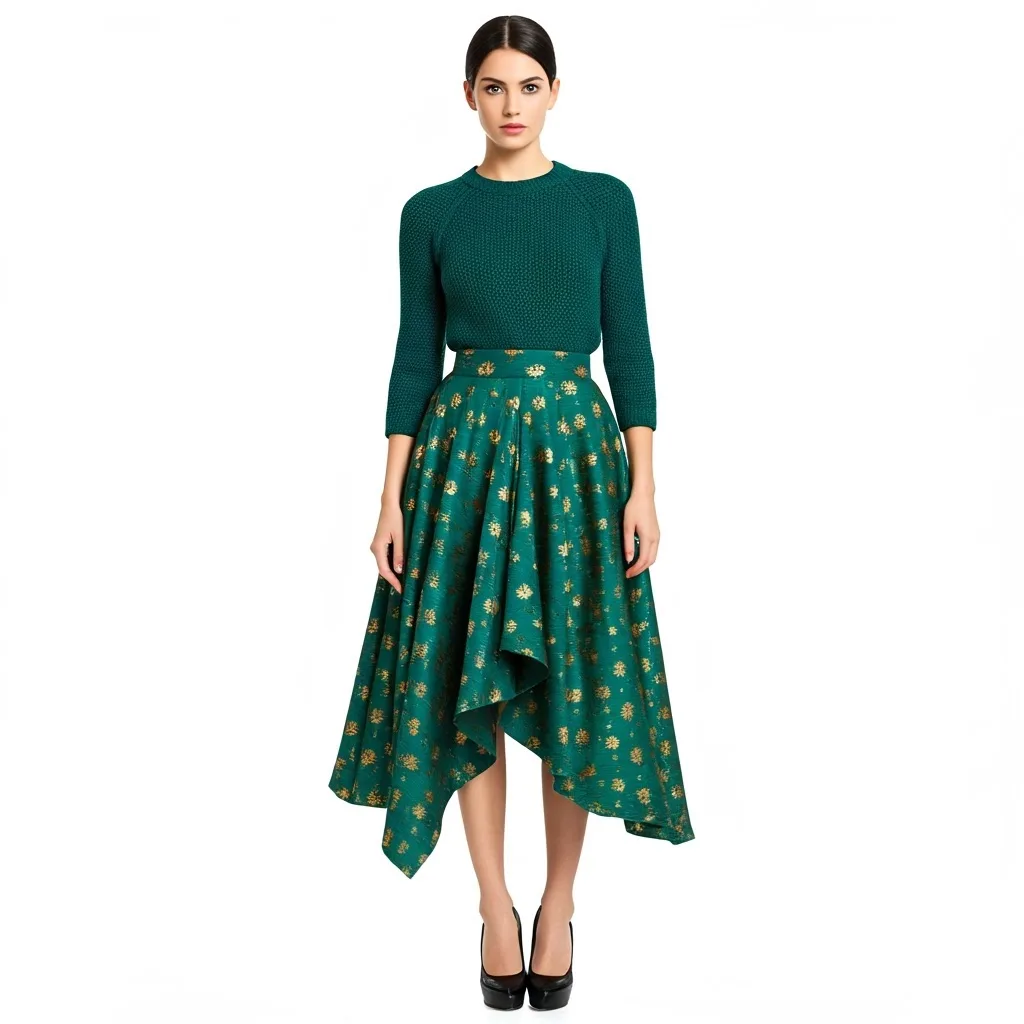
Sustainability in fashion is about more than organic fabric. A genuinely advanced agent would track energy use, water consumption, and carbon footprint across the whole life of a collection, then point at specific places to improve: switching to local suppliers, optimizing shipping routes.
As demand for responsible manufacturing grows, the agent could organize micro production runs driven by direct consumer interest or pre-orders. Less leftover inventory, less environmental impact, and supply matched to real demand.
Working across the digital and the physical
Fashion design is often spread out: pattern makers in one country, fabric suppliers in another, marketing teams elsewhere again. A real AI agent would act as the central hub, holding files, tracking version history, and making sure everyone is looking at the latest update.
For designers who present regularly to clients or internal teams, it could overlay 3D models onto physical mannequins or digital runways through AR. Feedback arrives immediately, even when the people giving it are on different continents.
What an agent adds up to
A dedicated AI agent for a fashion designer goes well past text or image generation. It becomes a working partner across every phase of the design life cycle, from mood board inspiration and fabric sourcing through pattern making, production, and marketing. Blending creativity with data, it can simplify operations, speed up innovation, and push design choices in a more responsible direction.
For designers thinking ahead, that is a lot of possibility. A real AI agent could take the tedious work off their hands and give back time for craft, brand identity, and collections that connect with the people buying them, without giving up on ethics or sustainability. It points at a period in which artistry, efficiency, and responsibility can hold together.
Start with the design step
The design part of that picture already exists. Describe a garment, see it rendered, and iterate until the silhouette is right: open the AI clothing design studio and try one idea from your current collection.
Related articles
- Clothing Design Software: The New Black AIClothing design software explained: the five kinds of fashion design software, what each one does, how to choose, and where AI design tools fit from concept to tech pack.
- Generative AI in Fashion: What It Does, What It Does Not, and Where to StartGenerative AI in fashion, job by job: design, product imagery, video, tech packs and copy, what it does not do, and the one test a brand should run first.
- The Future of AI Fashion: AI Agents That Run Your Brand While You SleepAI agents on The New Black AI turn fashion workflows into hands: describe an outcome, the agent does the work, learns the brand, and runs on a schedule while you sleep. Where this goes.
- AI Agents for Fashion Brands: What They Do, What They Cost, How to Hire OneWhat an AI agent does for a fashion brand, in practice: catalogue visuals, weekly posts, tech packs from photos. Prices, plans, ceilings, limits, and how to run the first week without wasting credits.
- Best AI Fashion Design Software 2026: The New Black AI24 AI fashion tools compared, updated 25 September 2026: free tiers and first plans side by side, prices read that day, what each is built for, which fits a brand, a designer or a Shopify store.
- How to Use an AI Watch Design Generator for Your BrandUse an AI watch design generator to explore dials, straps, and materials, keep your brand identity, and cut weeks off the concept phase.
- How to Use AI Training for Fashion Styles and Brand IdentityTrain AI on your own references so every new design matches your brand: reference images, web pages as style sources, and per garment training.
- Create a Retro Clothing Design With AIRecreate 60s, 70s, 80s and 90s style clothing with an AI fashion design generator: describe the cut, the fabric and the palette, and see it.
- How an AI Fashion Editorial Generator is Changing the Fashion IndustryAn AI fashion editorial generator turns a written concept into campaign and lookbook imagery, cutting production cost without losing quality.
- How to Create Winter Outfits Instantly with AI Fashion DesignCreate winter outfits in seconds with AI fashion design: describe the concept, pick a style, name the fabrics and prints, then add boots and accessories.