Turning a Brand Name into Dynamic Visual Styles with AI
Published 18 October 2024
The New Black AI can generate images of a brand name displayed in almost any form: embroidered letters, fiery text, carved wood, metallic finishes, and more. That capability changes what is practical in marketing, branding, and product design, because it removes most of the cost of asking what if from the creative process.
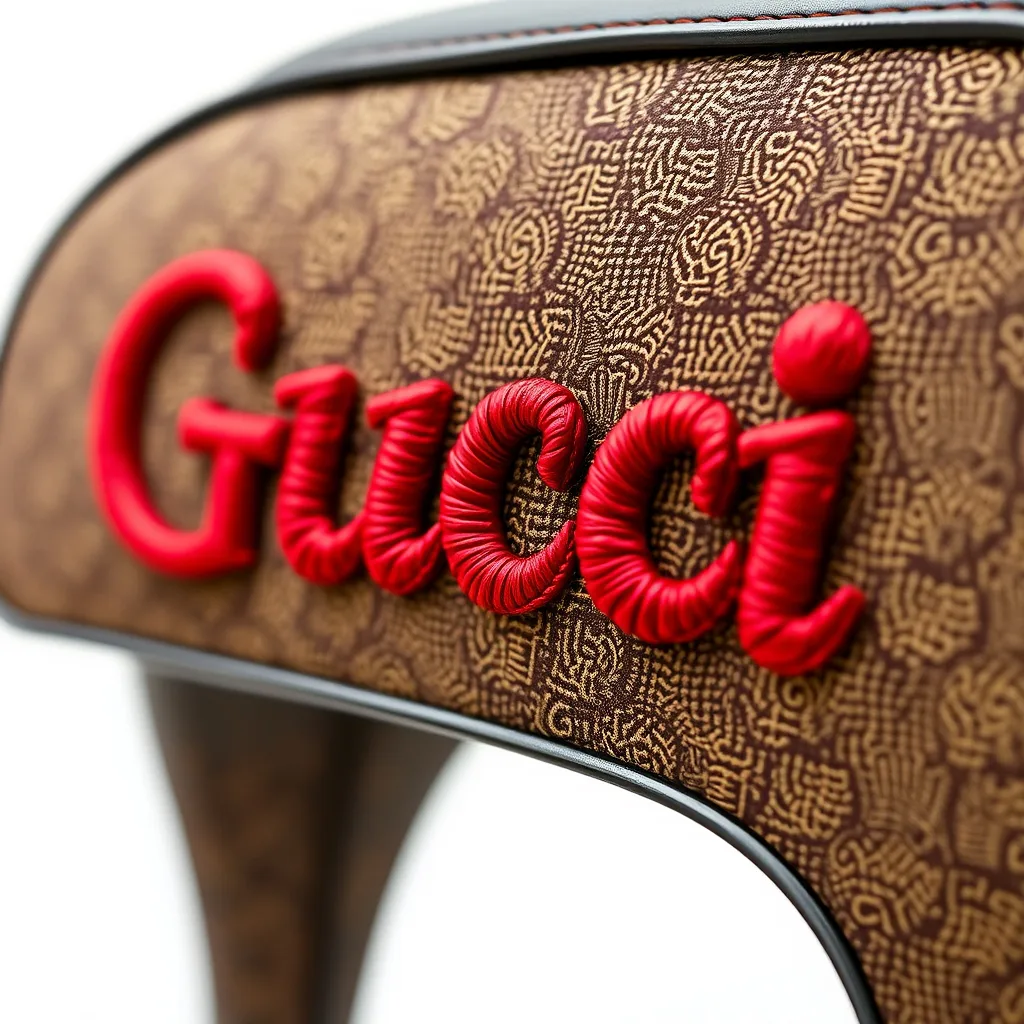
Time saved in the creative process
In a traditional branding or product design workflow, seeing a brand name or logo in a different material or style took real time and real budget. It usually meant working with graphic designers, textile experts, or product photographers, and the more complex effects, embroidery or metallic finishes for instance, were the slowest of all.
Instant visuals without specialist designers
With this tool, brands stop waiting on designers or external agencies for those visuals. The AI produces high quality images of the brand name or logo in a wide variety of styles within minutes. Lead times for marketing assets and product mockups shrink, and the design team gets its attention back for work that needs it.
Faster product design prototyping
Fashion designers and product developers testing brand placement can use the feature to see how a logo would sit on clothing, accessories, or packaging. A designer can look at their brand name embroidered on a cap, or laser etched into a leather jacket, without producing a single physical sample. Prototyping moves faster, and the early rounds no longer depend on mockups that have to be made by hand.
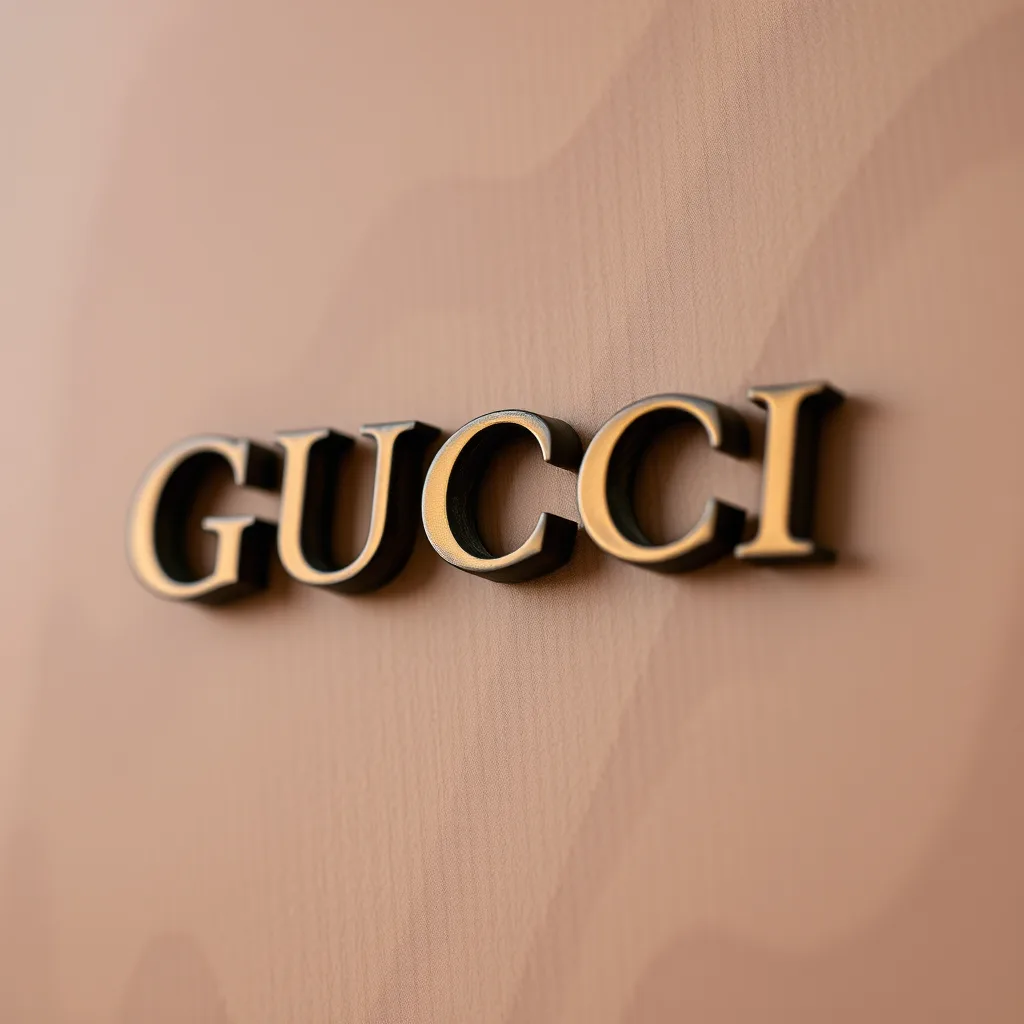
Quick turnaround for campaigns
Brands often need their visual identity adapted to a specific campaign or a seasonal theme: a holiday version of the logo, a rustic treatment for a nature inspired collection, a futuristic metallic effect for a tech collaboration. The tool generates those custom visuals immediately, which makes it far easier to keep branding aligned with the creative direction of a campaign without a long design cycle in between.
Expanding brand expression
Seeing a name or logo rendered in different materials and styles opens aesthetic directions a team might never have considered.
Diverse brand personalities
By testing different visual treatments of a logo, a brand can adapt its identity to different moods, collections, or collaborations. A streetwear label could look at its logo in a graffiti or flame style for something edgier, while a luxury house could visualize its name in metallic gold lettering or embroidered silk for a more refined register. That flexibility keeps a brand dynamic instead of locked into one look.
Seasonal and thematic variations
Logos frequently need adjusting for holidays, limited editions, or seasonal campaigns. Rather than commissioning custom visuals from scratch each time, brands can generate festive treatments quickly: snow covered lettering for a winter campaign, blooming florals for spring.
Collaboration ready branding
When brands work with other companies or designers, the visual identity often has to bend toward the partner's aesthetic. Being able to explore how a brand name would look reinterpreted for a joint venture gives both sides immediate visual concepts to react to, which makes the alignment faster and less abstract.
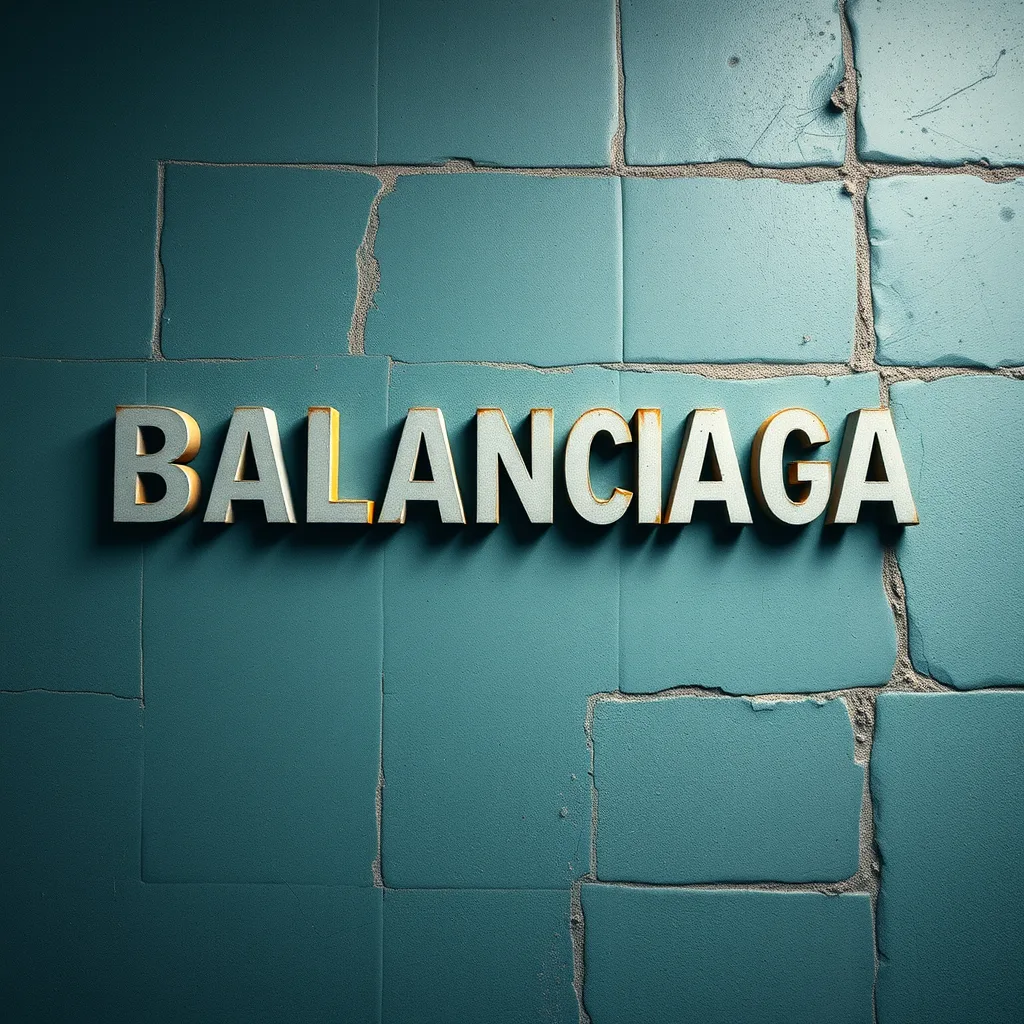
Practical benefits for the fashion industry
Beyond the creative and time advantages, the feature carries a few concrete benefits.
Cost efficiency. Producing visual effects like embroidery, metallic finishes, or engraved looks the traditional way is expensive. It typically involves specialized design teams or physical prototypes, both of which add to production costs. Generating these visuals digitally cuts spending on samples and high end design services, which matters most to smaller brands and startups without a large creative team or the budget for repeated photoshoots.
Consistency across platforms. Keeping a brand coherent across websites, social media, print, and physical products is central to a strong identity. The feature lets brands generate their logo or name in different styles that still hold to the core identity, so adapting to a new material or theme does not fracture the message.
Sustainability. Generating mockups digitally reduces the need for physical samples, which are wasteful in both materials and energy. A brand that wants to see its name embroidered across a collection no longer has to produce several prototypes before settling on a direction. Less textile waste, less energy spent on samples that were only ever meant to be looked at once.
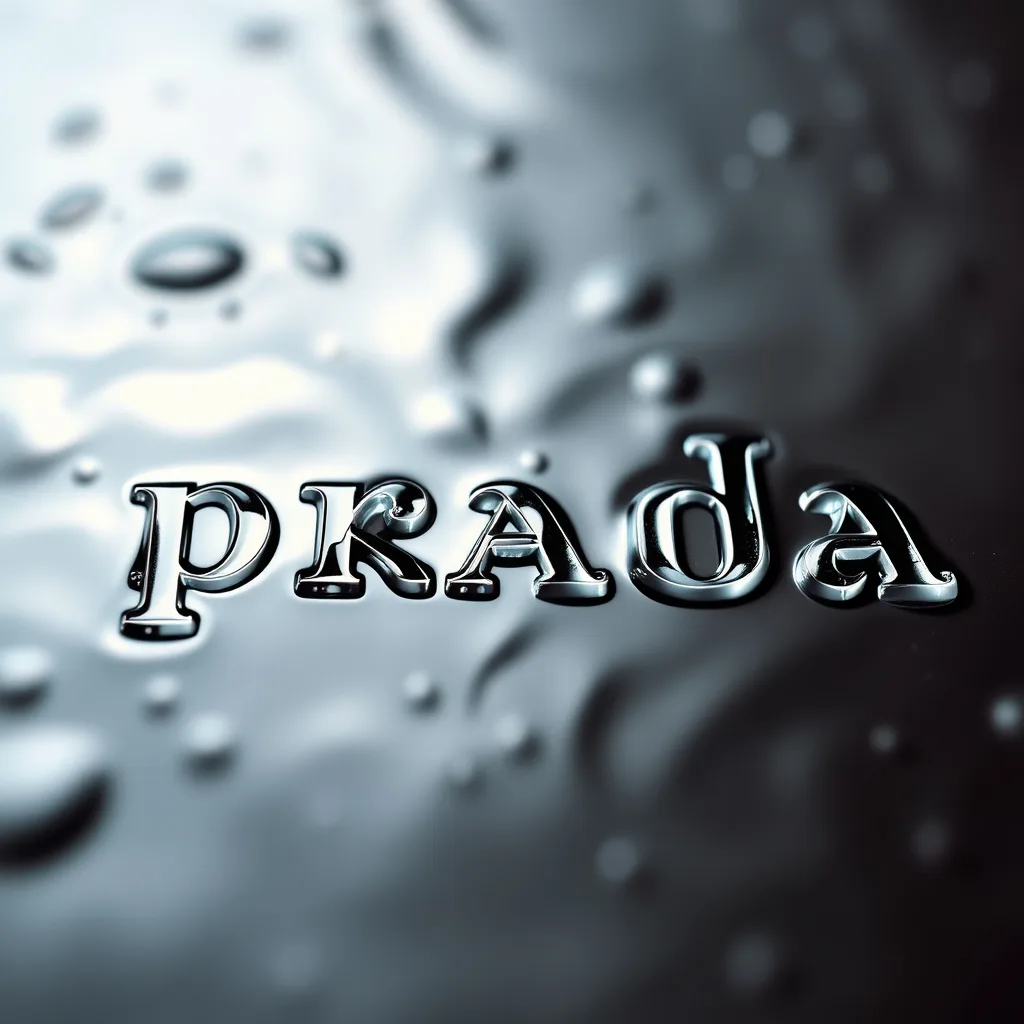
What comes next for AI powered branding
Looking ahead, the feature could become more interactive for both brands and their customers. Imagine a shopper engaging with a brand's name through augmented reality, seeing how it would appear on various products or in their own home. The same technology could feed virtual fashion shows or digital retail experiences, where logos and names are presented in more immersive ways.
AI may also learn to suggest optimal styles or materials based on data trends, such as which textures perform best in a given market. Brands could then make design decisions that combine creative instinct with evidence.
In short
The New Black AI's branding feature gives brands a new way to visualize their names and logos in dynamic styles: embroidery, flames, wood carvings, and more. It saves time and cost, widens creative range, and brings practical gains in brand consistency and sustainability. As AI keeps reshaping fashion and branding, tools like this become part of how a company adapts and expresses its identity.
Try it on your own name
Put your brand name through a few materials and see which one fits the collection you are working on. Open the design studio to start, or read how AI models can carry a brand across a campaign.
Related articles
- Visual DNA: Train the AI on Your References: The New Black AIUpload reference images or give a web page, choose a focus (brand vibe, collection direction or product type), and every new design follows that creative direction instead of a generic one.
- Google Images and Discover for Shopify: The New Black AISee your Shopify store's clicks from Google Images and Discover, the share of search traffic that did not know your brand, and your domain authority, beside your queries.
- Consistent AI Model Across Photoshoots: The New Black AIHow to keep the same AI model on every product of a collection: a profile reused, a reference photo, a Visual DNA, the framings that hold the identity, what still drifts, and the workflow in order.
- Change Clothes Colour in a Photo with AI: The New Black AIHow to change the colour of clothes in a photo with AI: HEX code or a name, one garment and not the rest, the colourway workflow for a product page and its Shopify variants, and what to check.
- AI Fashion Models, How They Are Made: The New Black AIAI fashion models explained: how a product photo becomes an on-model image, what one image costs in credits, and when a brand should use them instead of a shoot.
- Camera Angle for AI Model and Try-On Shots: The New Black AIAn Angle row under Framing in Product to Model and Virtual Try-On: eye level, slightly above, slightly below, or low from the ground. With a scene image, the scene is re-rendered from that angle.
- AI Fashion Templates Free for Commercial Use: The New Black AIThe models, garments, fabrics and backgrounds provided in the studio are cleared for commercial use: your campaigns, your product pages, your lookbooks. And what you generate is yours on every plan.
- AI Ad Creative with Your Headline: The New Black AIUpload a product photo, write your headline, give an art direction, and get a finished ad visual with the words set into the image. 1 credit in Standard, 3 in Pro.
- Generative AI in Fashion: What It Does, What It Does Not, and Where to StartGenerative AI in fashion, job by job: design, product imagery, video, tech packs and copy, what it does not do, and the one test a brand should run first.
- Clothing Product Photography with AI: The New Black AIEvery image a clothing product page needs, made from one photo of the garment: packshot, ghost mannequin, on-model, colourways, video; the credits and minutes each costs, what still needs a camera.