AI Fashion Videos
Published 27 February 2024
Artificial intelligence has already changed a good deal of how fashion works, and video generation is the advance with the widest reach. A model that produces realistic video from a text description touches everything from design visualization to marketing, and it does so in the one area still images cannot cover: how a garment behaves in motion, in a real setting.
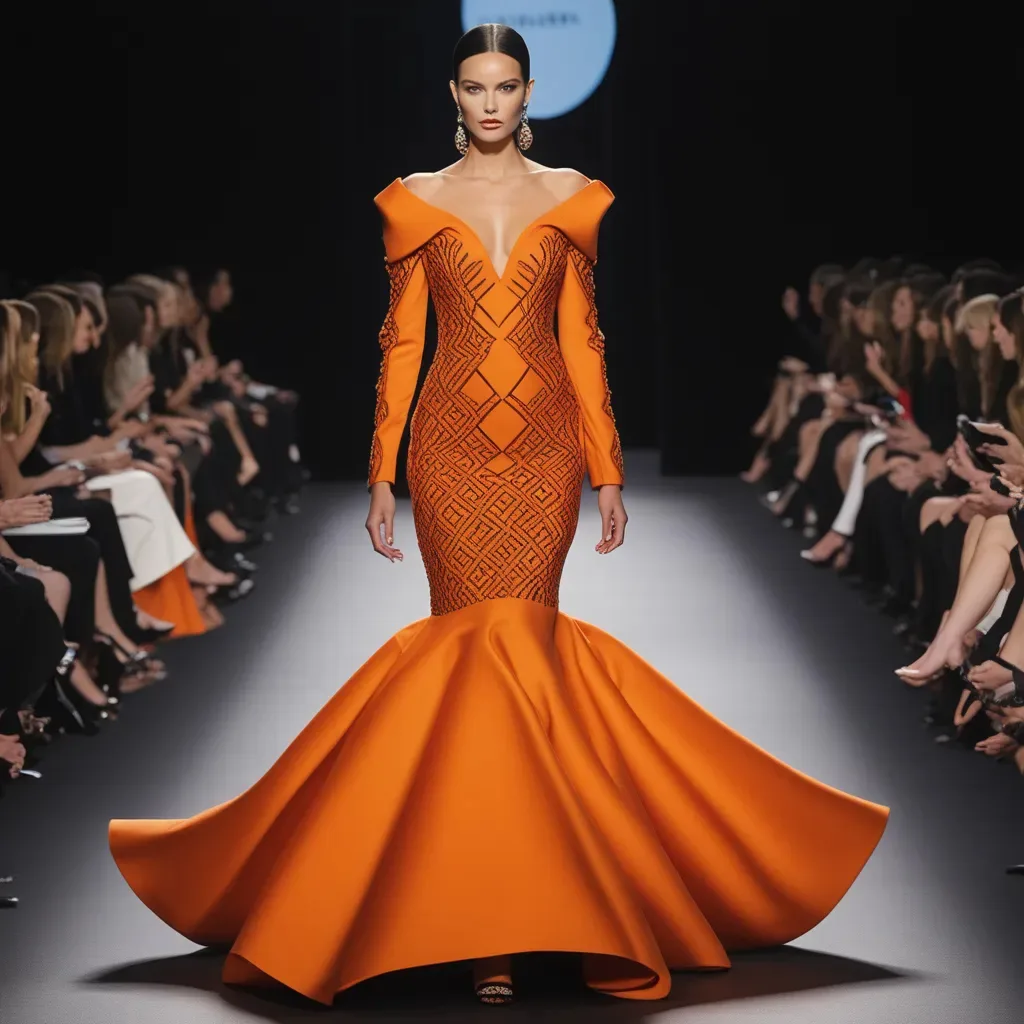
Quick visualization of clothing in motion
The first advantage is speed. Designers and brands can create and edit videos showing their garments in different settings and different movements, without a physical prototype and without booking a model. The design process moves faster, and the presentation is more dynamic, which helps a customer picture how a piece would actually look and move in real life.
Transforming fashion advertising
Producing high quality video has traditionally been expensive and slow: location scouting, casting, and a long post production tail. AI video generation removes most of those steps, so a brand can put together compelling video content quickly. The same footage can be adapted to different themes, settings, and narratives, which cuts both the production budget and the timeline substantially.
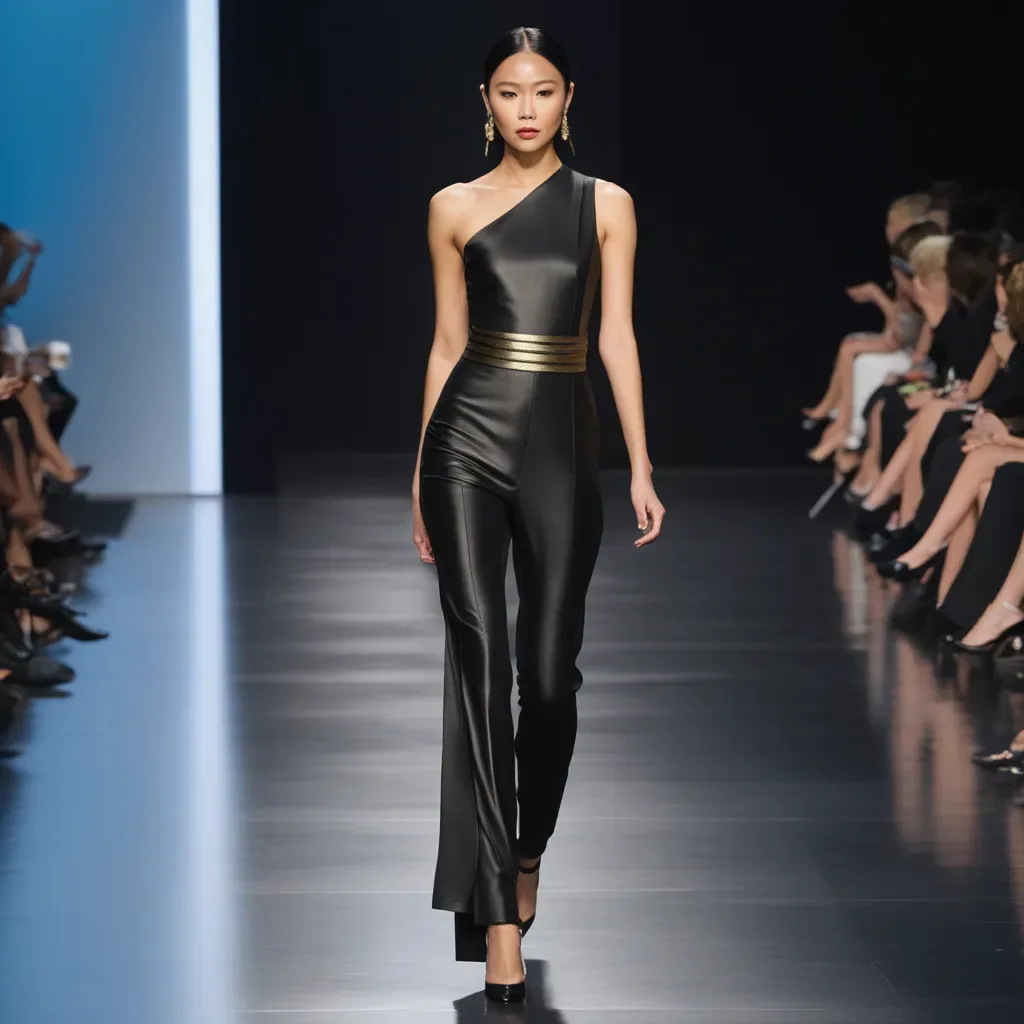
Empowering small brands
The most interesting consequence may be what it does for smaller labels. High quality video production has usually been out of reach on a small budget, and that gap showed in every campaign. With AI generated videos, a small brand can produce visual content that holds its own next to a much larger competitor. Video production becomes available to everyone, which opens marketing channels that were effectively closed and lets small brands present their products professionally to a wider audience.
More ways video generation lands in fashion
Virtual runways and fashion shows
Designers can stage virtual fashion shows, presenting a collection in settings that would be imaginative or impossible to build, without the logistics a physical event demands.
Customization and personalization
Brands can offer personalized video, showing how a specific garment would look on an avatar modeled after the customer's own image, which makes the online shopping experience considerably more concrete.
Sustainability
Fewer physical samples and fewer photo and video shoots means less logistics, less travel, and a smaller carbon footprint for the brand.
Design development
Designers can use generated video to test how different fabrics and designs behave under various conditions, which helps with material selection and with refining a design before it goes to production.
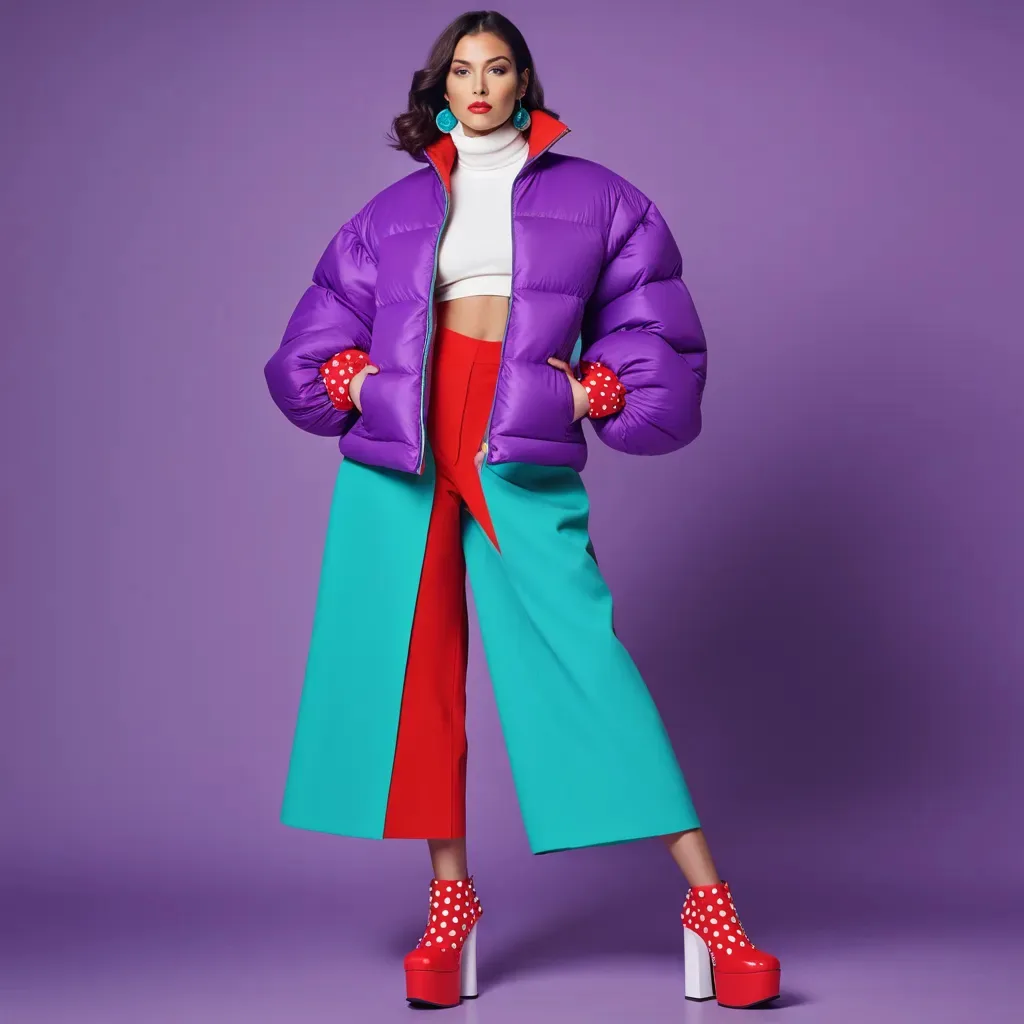
Fostering collaboration among designers
Generated video changes how fashion is visualized and marketed, and it also changes how designers work together. Sharing visual prompts and concepts becomes straightforward, which removes two of the barriers that have always limited co-creation in this field: distance and the difficulty of describing an idea accurately.
A shared visual language
Text to video lets a designer articulate an idea in motion, quickly, and produce a clear representation of what they have in mind. That shared reference becomes the basis for discussion, critique, and collaboration, and it makes merging two distinct styles into one project far more workable.
Working across distance
Designers today are often spread across different countries, which makes collaboration awkward. Generated videos bridge that gap by allowing ideas to be shared and developed asynchronously, with no need for anyone to be in the same room. Exchanging video prompts communicates a concept and its modifications precisely enough that the process holds together across time zones.
A wider creative range
Pooling creativity expands what is possible. Designers working together can push past conventional design and explore avant garde ideas that would not survive being attempted alone. Being able to visualize and modify those concepts quickly accelerates the iterative part, which is what encourages experimentation in the first place.
Faster iteration
Collaboration usually means many rounds of revision, and revisions cost time and materials. Generated video streamlines that: designs are shared and revised on collective input, combined ideas can be seen immediately, and different versions of a garment or a collection can be prototyped without producing a physical sample each time.
A community of creative minds
Beyond the practical side, sharing prompts and videos builds something. Designers inspire each other, learn from perspectives they would not otherwise encounter, and develop a culture of mutual growth. That is where long term partnerships come from, and where a supportive professional network takes shape.
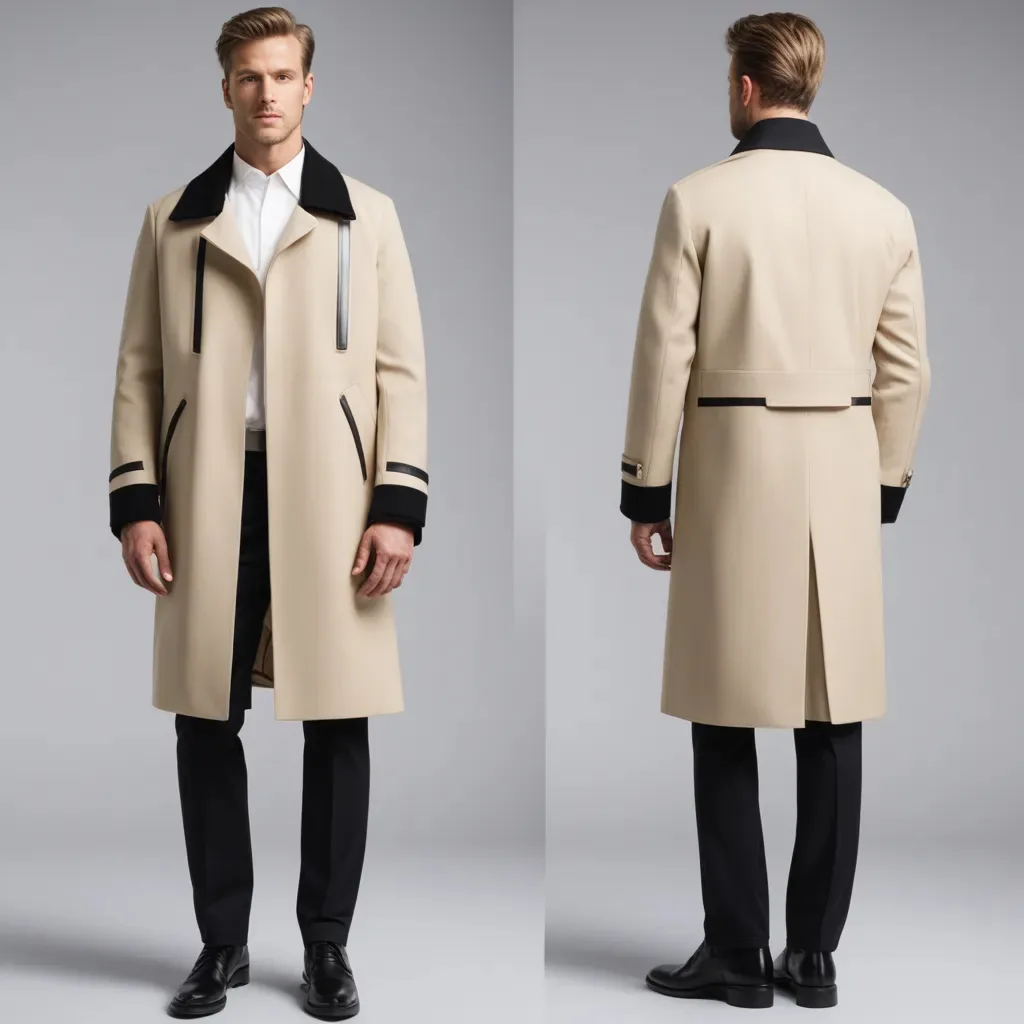
Where this is heading
AI video generation reshapes the fashion industry across innovation, efficiency, and creativity: how products are advertised and visualized, what smaller brands can afford, and how much a collection costs the planet to present. As the technology keeps developing it opens new ground for designers, brands, and consumers, and moves fashion further into a digital way of presenting and exploring what it makes.
Make your first fashion video
Take one product image and animate it. Open the AI fashion video generator, or read how to turn an image into a video and five ways AI video is changing fashion marketing before you start.
Related articles
- AI Virtual Try-On Videos for Fashion: The New Black AIYour garment on the model you supply, in motion: the clip that answers the question a still cannot, whether the piece holds when the person moves.
- How NFTs and AI are Changing The Fashion IndustryNFTs and AI are converging in fashion: generated designs minted as tokens, evolving NFTs, virtual runways, digital twins, and traceable production.
- AI Fashion Ad Videos from a Product Photo: The New Black AIA short advertising film from your product, in the format your channel wants, and as many variants as a paid campaign needs before the frequency kills it.
- Virtual Try On API for ClothingHow a virtual try on API for clothing works, and what it changes for returns, conversion rates and customer loyalty in fashion e-commerce.
- Swap Face AI: What Face Swapping Brings to FashionSwap Face AI in fashion: diverse representation, virtual prototyping, cheaper campaigns, and marketing content that feels made for the viewer.
- AI Fashion in 2024Nine shifts to expect from AI fashion in 2024: design images, video, virtual ambassadors, 3D prototyping, production, pricing, and smart fabrics.
- How 3D Printing Is Revolutionizing Clothing DesignHow 3D printing is changing clothing design: garments made to exact measurements, no fabric waste, faster production, and the limits still to solve.
- How AI is Likely to Change Clothing Design in the FutureInspiration, faster processes, personalization, virtual prototyping, sustainability, trends: how AI is likely to change clothing design.
- Clothing Design Software: The New Black AIClothing design software explained: the five kinds of fashion design software, what each one does, how to choose, and where AI design tools fit from concept to tech pack.
- 4K AI fashion images and 1080p video: The New Black AIUltra AI makes fashion pictures in 4K for 7 credits and videos in 1080p for 15 credits a second, next to Standard and Pro, in 30 studio workflows, the API and your AI agents.