AI Generated Shoes and Sneakers
Published 26 February 2024
Footwear is on the edge of a technological shift. Artificial intelligence is changing how shoes are conceived, designed, and experienced, and AI generated shoes and AI generated sneakers, a concept that looked far fetched a decade ago, are now a working reality. This article looks at the mechanisms behind that change and at what AI is likely to do to shoe design in the years ahead.
Personalized design at scale
The most significant change AI brings to footwear is personalization at a scale nobody could reach before. Algorithms can analyze large amounts of data on individual style preferences, foot shapes, and gait patterns, which lets designers create shoes built around the needs and tastes of a single wearer. That shift improves comfort and performance, and it gives people a way to express their individuality through what they put on their feet.
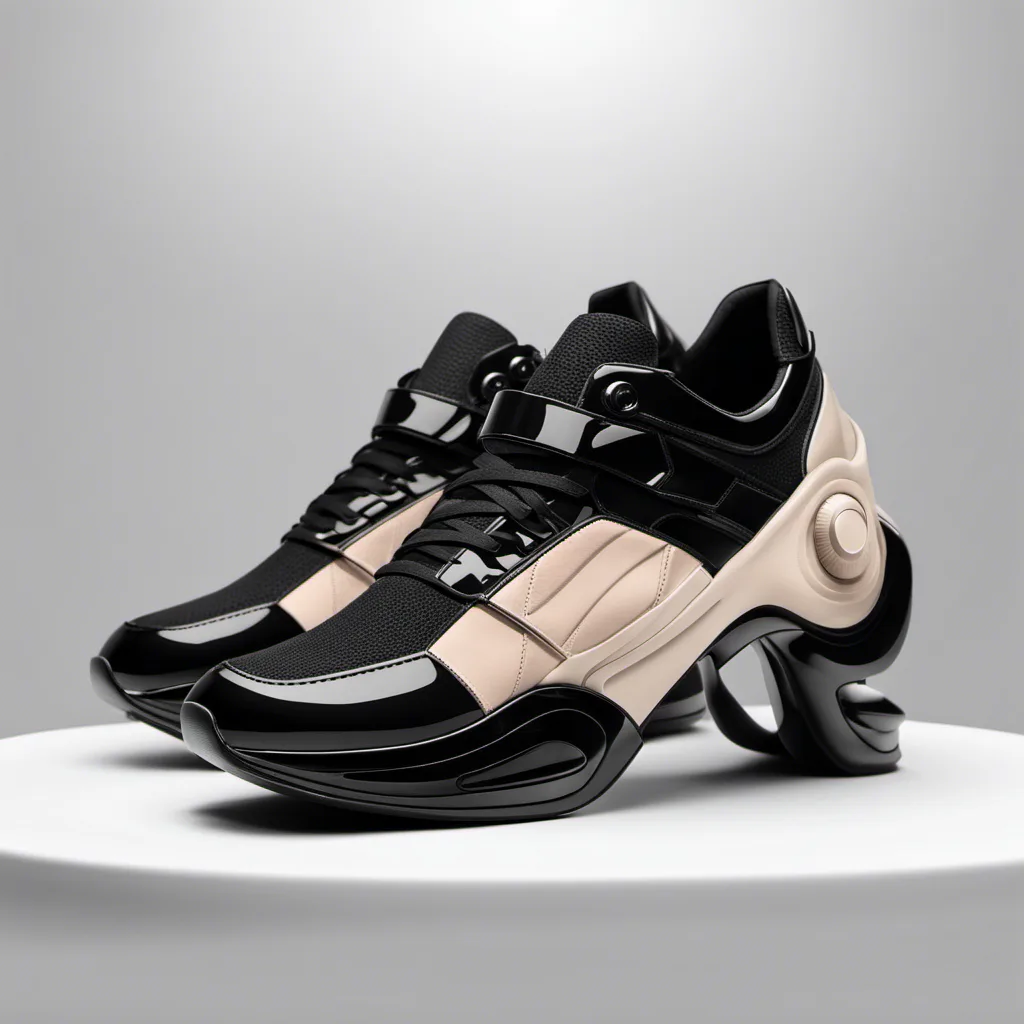
AI shoes design
Generative design opens a wide creative range in footwear. By feeding design parameters and constraints into AI software, a designer can produce a long list of options, some of which are concepts a human designer would not have arrived at. The design phase moves faster, and the process encourages exploring avant garde shapes and structures that traditional footwear design tends to leave alone. An AI shoe generator is where that exploration happens in practice: a description in, a rack of silhouettes out.
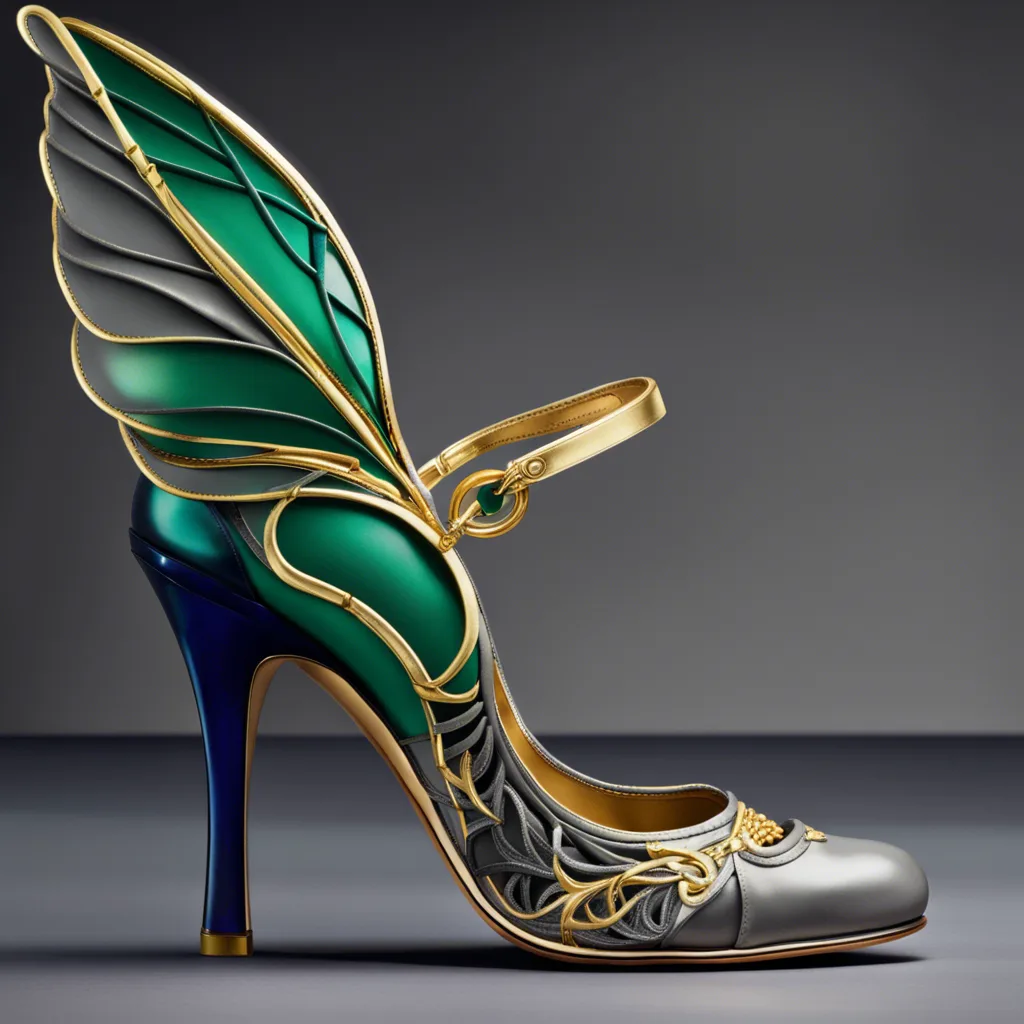
Sustainable innovation
Sustainability is a pressing concern across fashion, and AI generated shoes offer some practical answers. AI can optimize a design for material usage and cut the waste that occurs during production. It can also help select more sustainable materials and production methods, which lets brands make eco friendly shoes without giving up style or performance.
Customization and fit
The other half of the future of footwear is fit. Technologies such as 3D scanning and printing make it possible to build a shoe that follows the contours of one person's feet, which reduces the risk of injury and improves comfort. At that level of customization, a shoe stops being only a fashion statement and becomes something tailored to the wearer's physical specifications and lifestyle. If you want to see a design worn rather than shown on its own, AI models for shoes and sneakers put the pair on a foot in context.
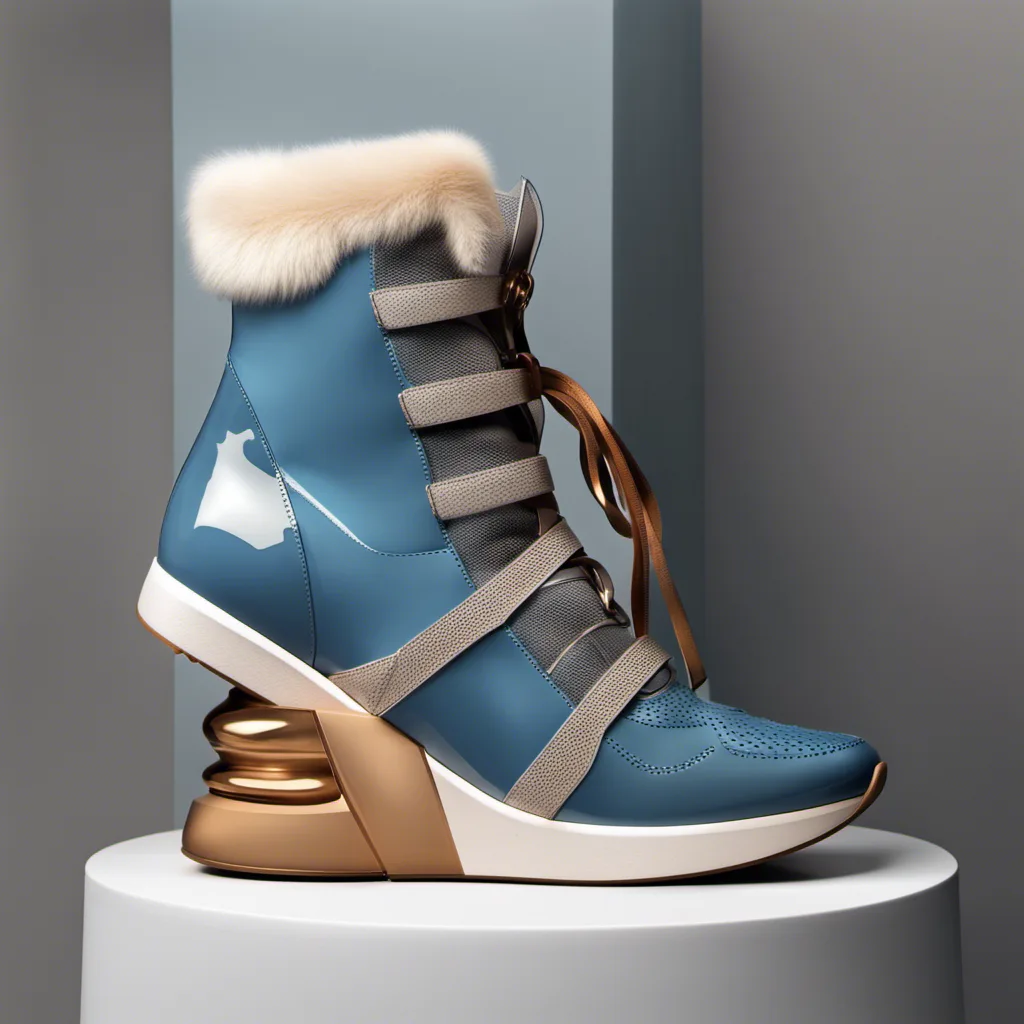
Challenges and ethical questions
The prospects are real, and so are the difficulties. Bringing AI into shoe design raises ethical questions around data privacy and the possibility of job displacement in traditional design roles. As AI takes a larger part in the creative process, the industry has to work through those issues carefully, so that the technology strengthens human creativity and craftsmanship instead of replacing it.
What comes next
AI generated shoes mark a real change in how the industry works, with new room for personalization, for lower waste, and for creative expression. As the technology keeps developing, the coming years will bring more applications of AI to footwear and will change how we think about the shoes we wear. Getting the most out of it will mean balancing what the technology can do against the ethical questions it raises, and keeping shoe design human centered at its core.
Design your own pair
Start with one concept and see how far it goes: a silhouette, a material, a sole. Open the design studio to generate footwear ideas, or read about 3D shoe design if you want to take a concept further.
Related articles
- AI Fashion Design Prompts, 30 Examples: The New Black AINine rules for AI fashion design prompts, thirty prompts that work for outerwear, dresses, knitwear, shoes, bags, textiles and edits, and a table of the words that change the result most.
- AI Shoes Design APIHow the AI shoes design API works for footwear brands and designers: parameter driven concepts, faster iteration, personalization, fewer prototypes.
- Clothing Design Software: The New Black AIClothing design software explained: the five kinds of fashion design software, what each one does, how to choose, and where AI design tools fit from concept to tech pack.
- Visual DNA: Train the AI on Your References: The New Black AIUpload reference images or give a web page, choose a focus (brand vibe, collection direction or product type), and every new design follows that creative direction instead of a generic one.
- Generative AI in Fashion: What It Does, What It Does Not, and Where to StartGenerative AI in fashion, job by job: design, product imagery, video, tech packs and copy, what it does not do, and the one test a brand should run first.
- Best AI Fashion Design Software 2026: The New Black AI24 AI fashion tools compared, updated 25 September 2026: free tiers and first plans side by side, prices read that day, what each is built for, which fits a brand, a designer or a Shopify store.
- How to Create an AI Model For Your Bag DesignA step by step guide to presenting a bag on AI generated models: prepare the images, choose the model, write the prompt, and keep results consistent.
- How to Create a Futuristic Design with AIDesign futuristic clothing with AI: test metallic fabrics, geometric patterns and avant garde silhouettes, then see them on different models.
- Create a Cosy Knitted Design with AIDesign cosy knitted sweaters, cardigans and dresses with AI: set the fit, the yarn, the pattern and the colors, then refine the details in seconds.
- AI Clothes Changer API IntegrationWhat an AI clothes changer API changes in a design workflow: faster iteration, fewer prototypes, quicker response to trends, and personalization.