AI Shoe Design Generator
A shoe is engineering you can wear: the last shapes the silhouette, the sole decides the attitude, and the materials carry the price point. The AI shoe design generator works at that level, producing sneakers, heels and boots where the heel construction and the toe shape are legible design decisions, not afterthoughts. For footwear professionals and emerging designers both.
Updated 26 September 2026
- 1Describe the shoe
- 2Generate and go further
- 3Put it on feet
How it works
Describe the shoe
Type, last and sole first: a chunky platform sneaker, a pointed mule, a sculpted heel. Then the upper, leather, mesh, embellishment, and keywords for style, colors and gender.
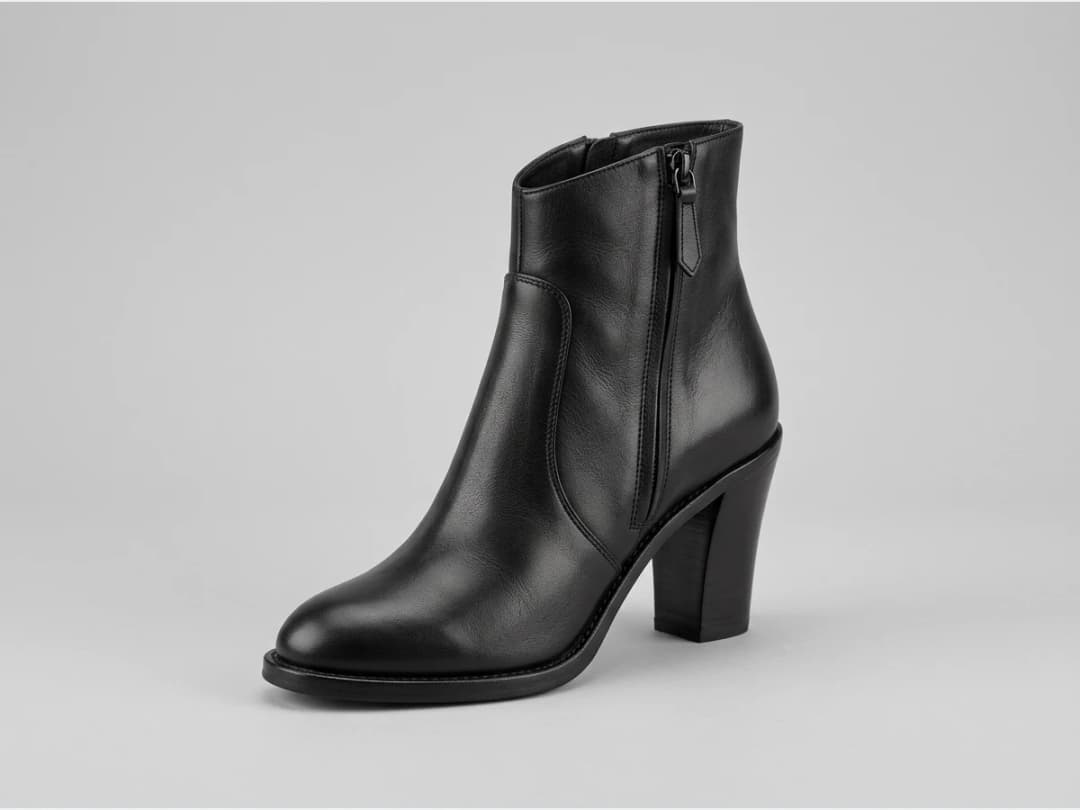
Generate and go further
Realistic materials come out where you expect them, but the generator's real use is the shapes nobody has sampled: a swan curved heel, a sole that breaks the usual profile. Iterate on the description until the construction is yours.
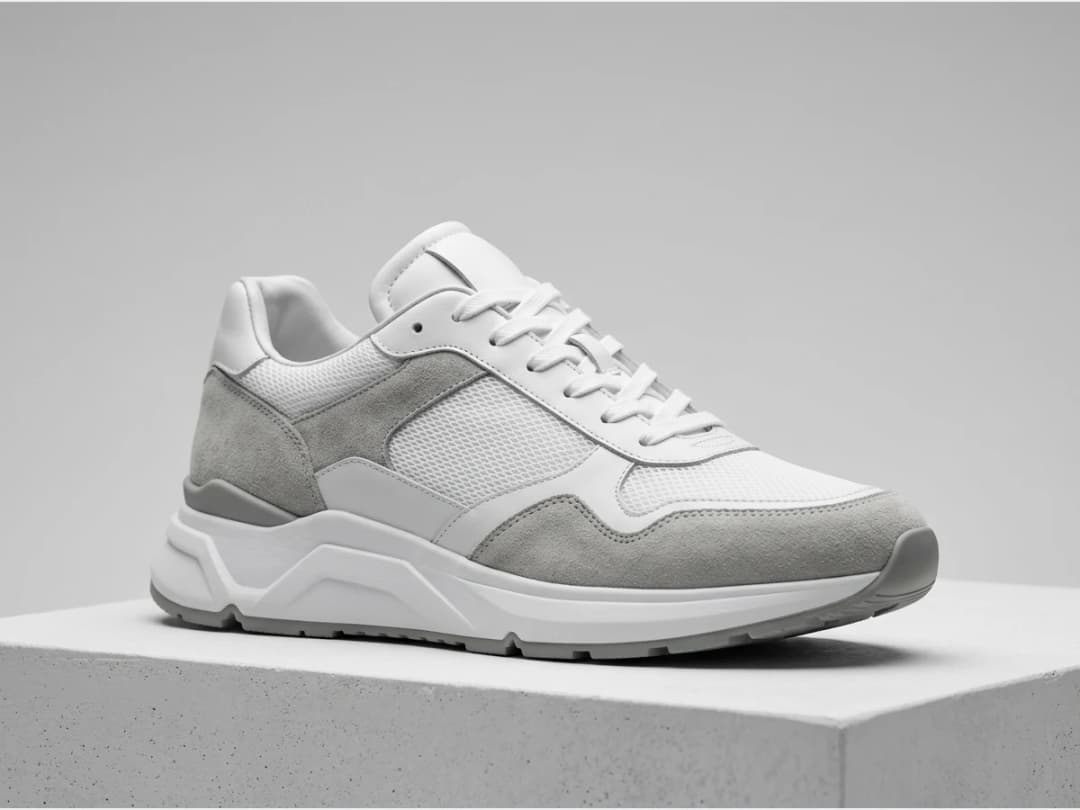
Put it on feet
Create an AI fashion model for your shoes to see the design worn, or swap it into an existing photo with shoes virtual try on. A shoe on a foot answers questions a side profile cannot.
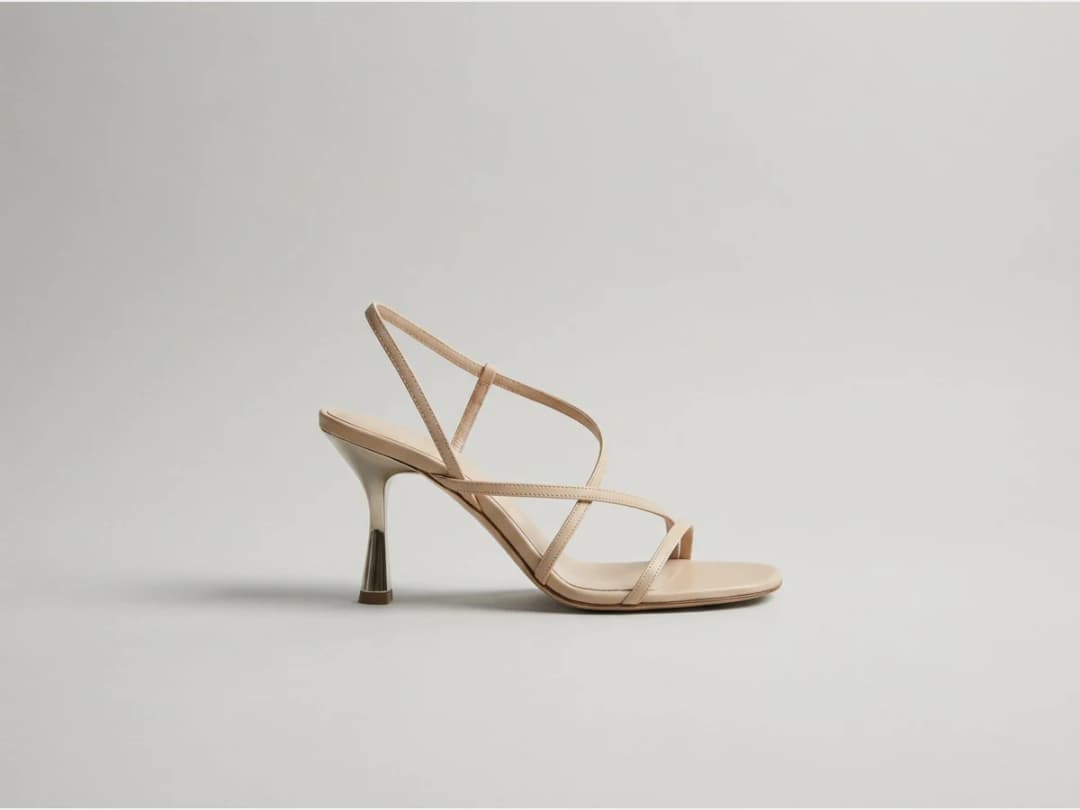
Can an AI shoe design be manufactured?
Not directly, and knowing why saves a sample round. What the generator returns is a concept image: silhouette, proportion, colourway and material story, judged on a screen before anyone cuts leather. What it does not return is a last, a grading, sole tooling or a stitch spec, the things a factory needs, and the things only a technical file carries.
That places it before the tech pack rather than instead of it. The order that works is: settle the concept here across a handful of runs, put the chosen one on feet to check the scale against a body, then take that image into a tech pack where the measurements and the construction are written down. A factory quotes from a tech pack. It cannot quote from a render.
It is also why the render is worth being strict about: a shoe reads by its profile. If the three-quarter view and the side view disagree about where the sole breaks, the concept is not settled yet, whatever the front view looks like.
How many directions can I try before a sample costs anything?
As many as the brief deserves: a run costs 1 credit on the standard model and 3 on the pro one, so a morning of exploration sits far below the price of a single physical sample, and the sample is the expensive part of footwear, not the drawing.
The way to spend those runs is one variable at a time. Keep the last and the upper, move the sole height. Keep the silhouette, change the material from leather to mesh. Keep everything, swap the colourway. A batch that changes three things at once looks like four different shoes and teaches nothing; a batch that changes one teaches you which decision is carrying the design.
That is the real difference between a generator and a moodboard. A moodboard shows you what exists. This shows you the same idea under one changed condition, which is what a review meeting actually argues about.
And the loop is short enough to hold a meeting inside it. Measured on our own platform in August 2026, an image comes back in about fifteen seconds, so "what if the sole were 10 mm lower" is answered while the question is still on the table, rather than in next week's review.
Where the render lies, and how to catch it
Footwear has three places where a generated image flatters itself, and all three are worth checking before a concept goes any further.
The sole-to-upper join is the first: at a distance it reads fine, and at a crop it often turns out that the stitching or the cement line does not go all the way round. The heel breast and the way the heel meets the sole is the second. A sculpted heel that looks resolved in three-quarter view can be structurally impossible in profile, which is exactly why the two views must agree. And the interior is the third: a shoe photographed from above shows a footbed the model has invented, so nothing about the lining, the sock or the branding inside it should be treated as a decision.
None of this makes the concept less useful. It makes the concept a concept: the image settles the silhouette, the proportion and the material story, and the tech pack settles everything the factory will actually build from.
Frequently asked questions
What footwear can I design?+
Sneakers, heels, boots, mules, from commercial styles to runway constructions. You control the type, the style, the colors and the gender through the description and keywords.
Can the generator handle unusual soles and heels?+
Yes, and that is where it earns its place. Sculptural heels, exaggerated platforms, unconventional lasts: describe the construction and it renders with the materials and hardware that make it read as a real object.
How do I see a design worn?+
Two ways. AI models for shoes and sneakers generates a model wearing your design, and virtual try on for shoes swaps the design into a photo you already have.
Can I sell shoes based on these designs?+
Yes. What you generate is yours to use commercially: produce it, sell it, put it on your product pages. Every creation lands in your studio grid, organised in projects, and can feed any other workflow in the studio.
How much does one shoe design cost?+
1 credit with Standard AI, 3 credits with Pro AI, per image, in Create a Product with the type set to Shoes.
Can I get a product shot of the shoe without a model?+
Yes. Choose Product only instead of On model: the shoe comes out alone on a white background, ready for a line sheet or a product page.
Can I edit a shoe design after it is generated?+
Yes. Open it and use Retouch a Zone to redraw one part, the heel, the sole, the laces, or the AI color changer to try the same shoe in other colorways.
Can I turn a shoe design into a 3D model?+
Yes. Image to 3D converts the picture into a GLB model you can turn in a viewer, for 10 credits.
Try it yourself
Everything on this page was made in the studio. Your first designs are minutes away.
Open the studioRelated features
- AI Clothes Maker, Design Clothes Online: The New Black AIDesign clothes online with an AI clothes maker: describe the piece, see it worn in seconds, iterate, then send a tech pack to your factory. 1 credit per design.
- AI Fashion Design for Kids, Toddlers and BabiesDesign kids fashion with AI: pick the age, from toddler to teenager, describe the outfit and get original children's clothing concepts.
- Change Fabric or Print on a Fashion ImageSwap the fabric on a clothing photo with AI: upload the garment and a new textile, describe the piece, and see the print applied realistically.
- AI Perfume and Fragrance Design GeneratorDesign perfume bottles with AI: your brand name on the label, the glass, the cap and the mood, rendered as market ready fragrance visuals.
- AI Beauty Cream Product GeneratorDesign cream jars and skincare packaging with AI: the jar, the lid, the label and the texture of the formula itself, ready for your brand.
- Create Front and Back Fashion Designs with AIGenerate the front and back of a fashion design in one image with AI: matched details, proportions and style from a single prompt.
- Turn an Image into a Flat 2D SketchTurn any clothing photo into a clean flat sketch in seconds, then export it as SVG to edit in Illustrator and drop it into your tech pack.
- AI Sunglasses Design GeneratorDesign sunglasses with AI: lens shapes, frame lines and colors, rendered on a real face so the fit and attitude read at first glance.
- AI Jewelry Design GeneratorDesign rings, necklaces, bracelets and earrings with AI: pick the metal, the stones and the style, and get detailed jewelry concepts in seconds.
- AI Watch Design GeneratorDesign watches with AI: describe the case, the dial and the strap, and get realistic timepiece concepts you can refine and put on a model.