Change Clothes Colors with AI
Change clothing colors instantly with the AI color changer. Recolor a dress, swap the color of a shirt, or shift the hues across a whole outfit, and the result stays realistic. Name the garment area you want to recolor, pick your new color or enter a HEX code, and the AI does the rest. It works for personal styling and for professional shoots, for individuals and for brands.
Updated 6 September 2026
- 1Upload a photo, or start from an AI image
- 2Name the part and pick the new color
- 3Keep going
How it works
Upload a photo, or start from an AI image
Any fashion clothing photo works. Upload your own, or pick one you already generated in the studio.
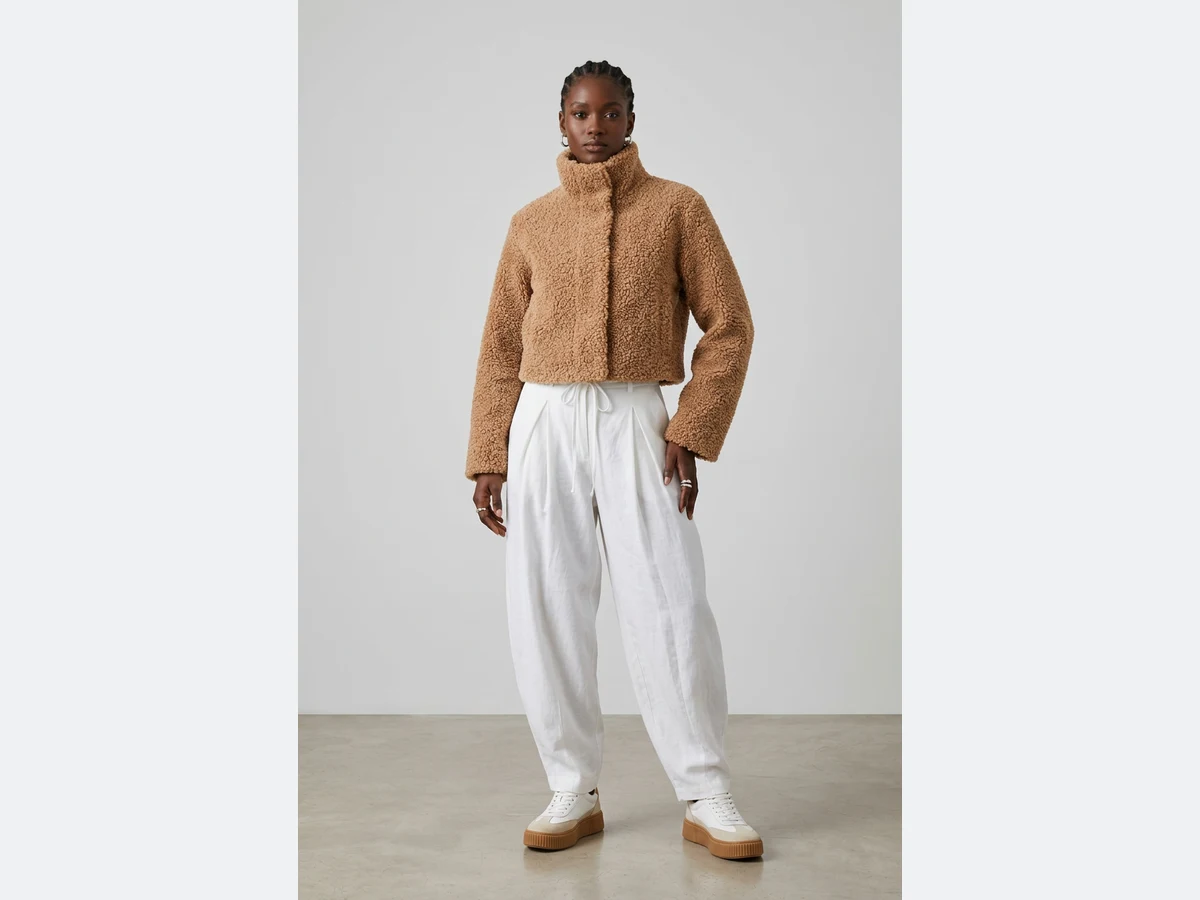
Name the part and pick the new color
Say which piece of clothing should change, then choose your color with the picker or type the HEX code directly. Only the area you named is affected, so the rest of the image stays exactly as it was.
Keep going
Any element of a clothing image can be recolored, so nothing stops you at one version. Try a colorway, then another, and see the whole range before committing.
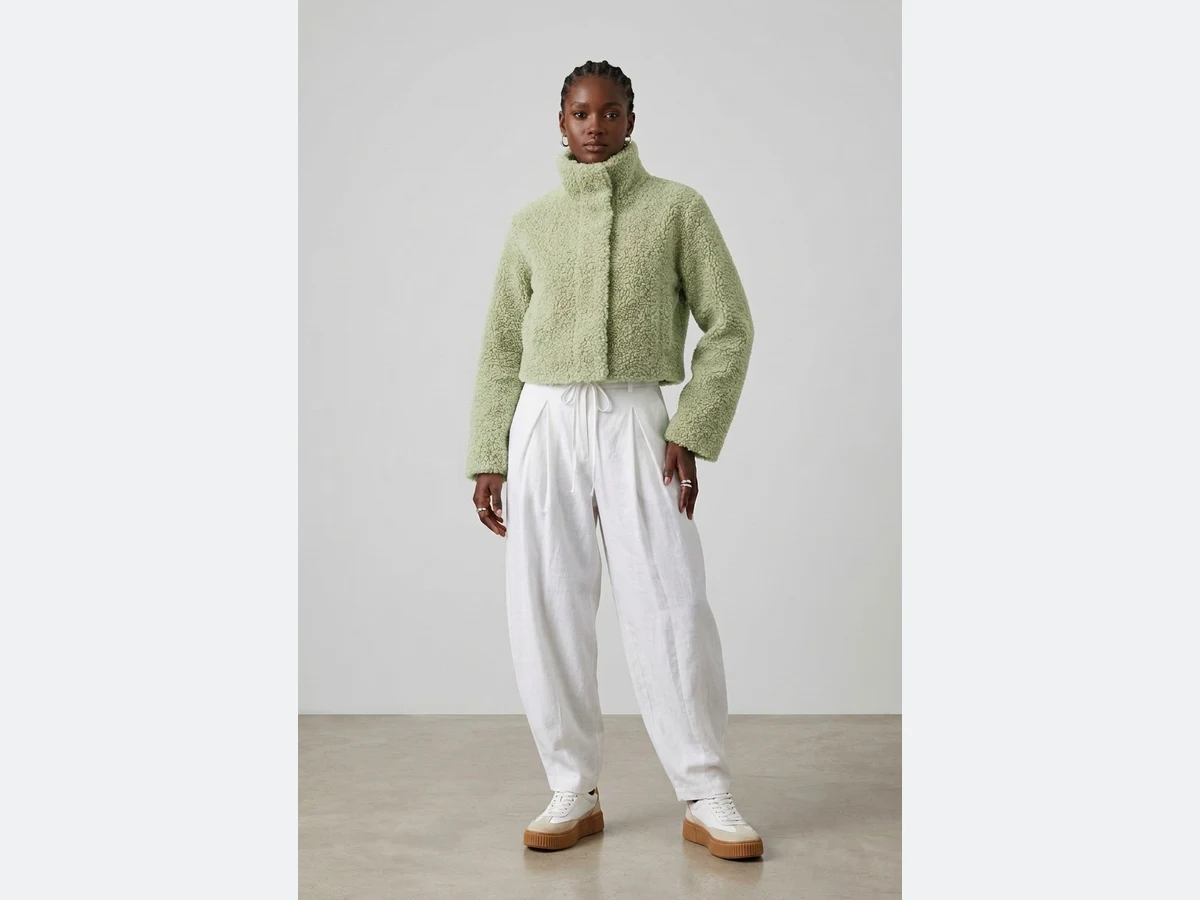
Can you change a shirt colour online for free?
You can change your first ones on the credits an account starts with, and after that a recolour costs one credit on Standard or three on Pro. Nothing is charged for uploading a photo or for trying the picker. The meter runs when an image is generated, so five colourways of the same shirt cost five.
What separates this from the free recolouring tools is what happens to the shadows. A hue slider moves every pixel of a garment by the same amount, which turns a white shirt into a flat grey-blue rectangle and destroys the folds; here the garment is regenerated in the new colour, so the shadow in a sleeve crease stays darker than the light on the shoulder and the fabric still looks like fabric. That is why a HEX code is honoured as the colour of the cloth rather than as a paint bucket.
Naming the part is the whole skill
One instruction does most of the work: say which garment changes. "The jacket", "the trousers", "the dress", "the left sleeve". The named area is the only area regenerated, and everything else in the photograph is left alone. A description that says "make it green" without naming the piece invites the model to decide what "it" meant.
Two habits make results cleaner. Change one garment at a time when a look has several pieces, because a single instruction covering a jacket and a skirt often lands on the jacket alone. And prefer a HEX code to a colour name when the colour matters commercially: "sage" is a family, `#9CAF88` is a decision, and a brand palette lives in the second form.
Where a recolour struggles
Three cases are genuinely hard, and they are the same three for every tool of this kind.
Prints and patterns are the first: recolouring a striped shirt means deciding which stripe changes, and the model resolves that ambiguity by itself unless the description settles it. Very dark or very light originals are the second: there is little tonal information left in a black garment to carry into a new hue, so black to yellow is a harder ask than beige to yellow, and it may be quicker to generate the piece afresh. And highly reflective materials, patent leather, sequins, metallic thread, carry their colour in their reflections rather than in the surface, so the change reads as tinting.
The pace makes trial the cheapest diagnosis: measured on our own platform in August 2026, an image comes back in about fifteen seconds, so finding out is faster than reasoning about it.
Frequently asked questions
How do I tell the AI which garment to recolor?+
You name it. Say which piece of clothing should change, the sweater or the skirt for instance, and only that area is affected. The rest of the image, the model, the background, the other garments, stays exactly as it was.
Can I match an exact brand color?+
Yes. Pick the new color with the picker, or type the HEX code directly when you need a precise shade rather than an approximate one. That is what makes the result usable for colorway decisions, not just experiments.
What photos does it work on?+
Any fashion clothing photo: one you upload, or one you already generated in the studio. It serves personal styling and professional shoots alike, for individuals and for brands.
Where do my recolored creations end up?+
In your studio grid, organised in projects, and reusable in the other workflows: put the new colorway on a model with try-on, animate it as a video, or sharpen it with the HD enhancer.
Can I use the results commercially?+
Yes, on any plan: everything you generate is yours to sell, print and publish. The color changer runs in the browser, nothing to install, and free credits at signup let you try a first recolor before committing.
Can I recolor several garments in the same photo?+
One piece per pass, and that is a feature: naming a single garment is what keeps the rest of the image untouched. To recolor two pieces, run the result through again and name the second one — each pass holds everything else still.
Does the fabric texture survive the change?+
Yes — that is the tool's whole argument. The weave, the seams, the shadows and the way light sits in the folds are kept; only the hue moves. A ribbed knit stays visibly ribbed in its new color, which is what separates a colorway from a tint.
Try it yourself
Everything on this page was made in the studio. Your first designs are minutes away.
Open the studioRelated features
- AI Dress Design GeneratorDesign a dress from a description with AI: the silhouette, the length, the neckline and the fabric, worn by a model or on its own. Slip, sheath, A-line, gown. 1 credit.
- AI Image Generator for Fashion: Create or Edit Any ImageWrite what you want and get the image, or upload up to three references and describe the change: the free-prompt tool that creates or edits any fashion visual, in any format.
- Create Similar Outfits with AIUpload an outfit image and get close variations of it: same spirit, same silhouette, new pieces. The fast way to build a capsule around one look that works.
- AI Image Vectorizer for Fashion: Logo, Print and Artwork to SVGTurn a logo, a print or an illustration into a real SVG: colour shapes that scale to any size, ready for screen printing, embroidery, labels and Illustrator. 1 credit.
- Generate AI Fashion in Bulk for Your CatalogGenerate a whole catalog in one run: upload up to 30 product photos, pick a workflow, write one brief for the batch, and get AI models, try-ons or videos for every item at once.
- AI Underwear and Lingerie Design GeneratorDesign underwear and lingerie with AI: lace, cuts and fabrics on the model type you choose, with a creative boost slider to push the design.
- Create an AI Video of a Fashion Model Turning AroundTurn a front and a back photo into a smooth AI turnaround video with Model 360: the model turns on the spot or the camera orbits, every detail of the outfit kept from every side.
- AI Fashion Design for Kids, Toddlers and BabiesDesign kids fashion with AI: pick the age, from toddler to teenager, describe the outfit and get original children's clothing concepts.
- Extend an Image to a New Ratio with AIChange the aspect ratio of any photo with AI. Pick a new format such as 1:1, 9:16 or 16:9 and the AI extends the scene to fill it, instead of cropping what is already there.
- Free AI Color Analysis: Find Your Personal Color PaletteUpload a natural light selfie and the AI reads your undertones, contrast and brightness to give you your seasonal color palette, free.