AI Clothes Changer
An AI clothes changer replaces the clothing in a photo you already have. You upload the picture, you say which garment you want instead, as a photo of it or in a few words, and the outfit is changed in about fifteen seconds. The person, the pose, the face, the light and the background stay exactly as they were. Only the clothes change.
Updated 12 September 2026
- 1Upload the photo
- 2Choose the new clothes
- 3Generate, compare, download
How it works
Upload the photo
Any picture where the person is clearly visible, ideally full length and evenly lit. Everything you are not changing is kept: the pose, the face, the hands, the background. Only the clothing is rewritten.
Choose the new clothes
Two ways, and both work. Upload a photo of the garment you want on the person, or describe it in words: a leather jacket, a red slip dress, a full winter outfit. You can change one piece or the whole look, and the replacement does not have to exist yet.
Generate, compare, download
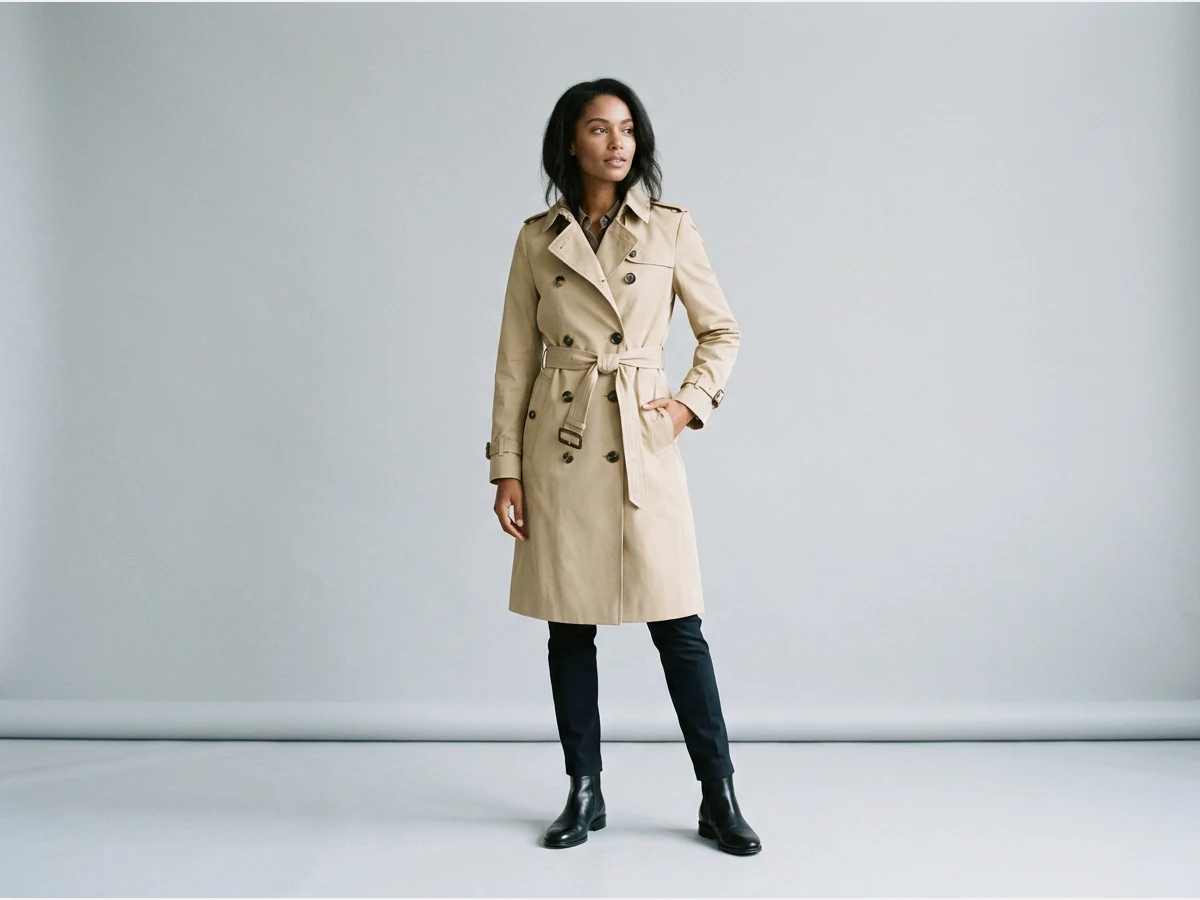
One generation, a few seconds, and the outfit is changed. Run it again on the same picture to compare two garments, then download the one you keep, or send it to another tool: upscale it to HD, animate it into a short video, or publish it to your store.
What an AI clothes changer is good for
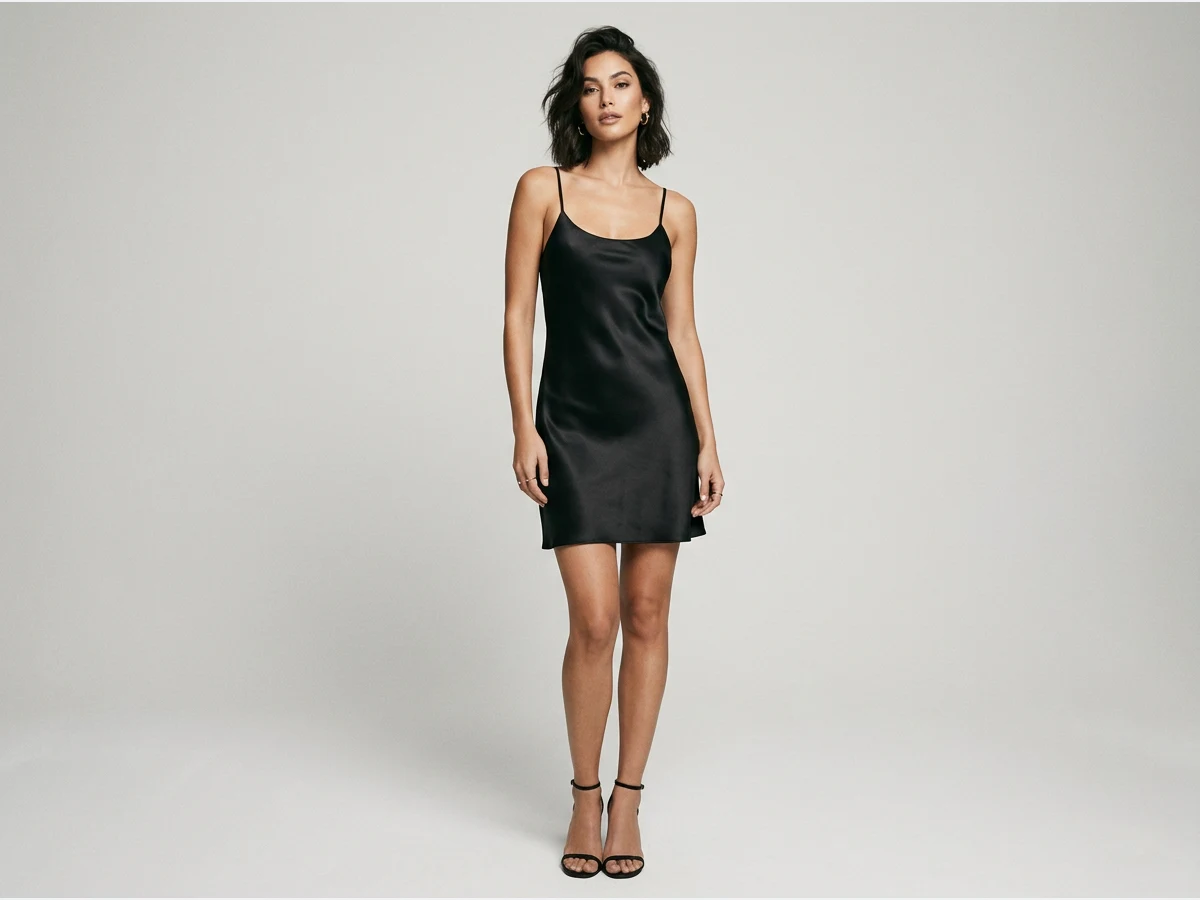
A photograph you already own is a shoot you have already paid for. Changing the clothes in it keeps the model, the location and the light you chose, and costs one generation instead of a day. Brands use it to dress one shoot in a whole season, to show a garment in every colourway from a single photo, and to test a new piece on an existing campaign image before it is even produced. Shoppers use it to see a garment on themselves before buying.
The clothing is what changes; nothing else moves. That distinction is the whole tool. An editor that also relit the scene or shifted the pose would produce a different photograph, not the same one wearing something else.
AI clothes changer vs virtual try-on: which one do you need?
They look similar and answer different questions. A clothes changer starts from a photo of a person and swaps what they wear, from a description or a product photo. A virtual try-on starts from your product and puts it on a model, yours or one generated for you, to make the product image itself. If you have the photo and want different clothes in it, use the clothes changer. If you have the product and want it worn, use try-on. To change only the colour of a garment and keep everything else, the AI color changer does it in one pass.
Is there a free AI clothes changer?
Yes, for your first photos. A new account opens with free credits, and each change then costs one credit on Standard or three on Pro. Nothing is charged for uploading or for looking. The meter runs on generations, so comparing four jackets on the same picture costs four.
Free tools for this exist and mostly do something narrower: they recolour a garment, or paste a flat cut-out over the body. The test to apply to any of them, including this one, is the shadow. If the new garment does not carry the same light as the face above it, the picture reads as a montage. That is the part that costs compute, and it is the reason this one is metered.
What survives the change, and what should not
Everything except the clothing is meant to stay: the pose, the face, the hands, the background, the direction the light falls from. When it works, the photograph is the same photograph. When it fails, it usually fails by changing something it was not asked to.
So check three places before accepting a result. The hands, because they sit against the garment and are where an edit gives itself away. The shoulders and the neckline, where the new piece meets the body that was already there. And the shadow on the ground or the wall, which must belong to the new silhouette rather than the old one.
Some photographs are simply harder. A person standing square to the camera, full length, evenly lit, changes cleanly almost every time. A tight crop, crossed arms, motion blur, or a garment that already blends into the background give the model less to work from, and the honest answer there is to change the source photo rather than to fight the tool.
How fast a comparison actually is
Fast enough that comparing beats deciding. Measured on our own platform in August 2026, an image comes back in about fifteen seconds. A brand can dress one shoot in six looks in under two minutes of machine time, and a shopper can see the same coat in three colours before choosing one.
Change your first photo
Open the studio and change the clothes on a picture of your own. The rest of the toolset is in the features catalog.
Frequently asked questions
How do I change clothes in a photo with AI?+
Upload the photo, add the garment you want as an image or a description, and generate. The clothing is replaced in about fifteen seconds; the person, the pose and the background are kept.
Can I change the dress in a photo to another dress?+
Yes. Name or upload the new dress and only the dress is replaced. The same works for a jacket, trousers, a skirt, shoes, or the entire outfit, one run at a time. Whatever you leave unnamed is preserved exactly.
Can I swap the clothes between two photos?+
Upload the photo of the person and the photo of the garment you want on them. The garment is read from the second picture and placed on the first, with the fit, the drape and the light of the original photo.
What photo works best?+
Sharp, evenly lit, and showing enough of the figure, head to foot if you have it. The more of the figure the editor can read, the more of the wardrobe it can rewrite.
Is the AI clothes changer free?+
New accounts open with free credits, so the first edits cost nothing. Afterwards it draws on credits like every other tool here, and there is nothing to install: it all happens in a browser tab.
Where do the edited photos go, and are mine kept?+
Uploads are encrypted and erased automatically once the edit finishes. What comes back is filed in your creations, ready to be pushed through another tool, animated, or enlarged to print size.
May I use the edited images for my brand?+
Yes, on any paid plan. It is how labels and shops turn a single afternoon of photography into an entire season of storefront imagery.
Try it yourself
Everything on this page was made in the studio. Your first designs are minutes away.
Open the studioRelated features
- AI Image Generator for Fashion: Create or Edit Any ImageWrite what you want and get the image, or upload up to three references and describe the change: the free-prompt tool that creates or edits any fashion visual, in any format.
- Generate AI Fashion in Bulk for Your CatalogGenerate a whole catalog in one run: upload up to 30 product photos, pick a workflow, write one brief for the batch, and get AI models, try-ons or videos for every item at once.
- Create an AI Video of a Fashion Model Turning AroundTurn a front and a back photo into a smooth AI turnaround video with Model 360: the model turns on the spot or the camera orbits, every detail of the outfit kept from every side.
- Create AI Generated Model VideosTurn a clothing photo into an AI model video: create the model, then bring the still to life with realistic motion, no photoshoot needed.
- Animate a Sketch with AI VideoAnimate a fashion sketch with AI: upload a drawing and get a short video where the illustration itself moves, for presentations and moodboards.
- AI Jewelry Video GeneratorTurn a jewelry photo into a video with AI: sparkle, macro detail and slow rotation from a single image, no product film shoot needed.
- AI Sunglasses VideoTurn a sunglasses photo into a video with AI: face turns, lens reflections and light play from a single image or a text description.
- AI Shoes and Sneakers VideoTurn a shoe or sneaker image into a video with AI: on foot movement, sole flex and turning angles from one photo or a text description.
- AI Bag Video GeneratorTurn a bag photo into a video with AI: carried movement, swaying hardware and true scale from one image, no product film shoot.
- Image to Video AI for FashionTurn any still image into an AI fashion video: upload a photo, choose a format, and get realistic motion from a runway shot, a product or a portrait.