The Rise of AI Fashion Shopping
Published 18 May 2025
In recent years, artificial intelligence has moved from a futuristic concept to a practical tool reshaping industries around the world. One of the most interesting applications sits in retail, and particularly in fashion. As consumers get more tech-savvy and expect more personal shopping experiences, AI is redefining how products are bought, how brands talk to their customers, and how fashion is presented.
Personalized shopping recommendations
One of the clearest ways AI improves the shopping experience is through personalized recommendations. These systems analyze data points such as browsing history, purchasing behavior, and even social media activity to suggest products that match individual taste. In fashion, that can mean recommending outfits based on body type, personal style, or trends the shopper has already shown interest in.
Where this is heading: as AI grows more sophisticated, fashion recommendations could move past single products. Picture an assistant that suggests entire outfits, or curates a shopping experience around your mood, the season, or your plans for the day.
Virtual try-ons and augmented reality
One of the biggest barriers to buying fashion online has always been the impossibility of trying anything on. AI-powered virtual try-ons, combined with augmented reality, are closing that gap. More and more brands offer a try before you buy experience, where customers see how a garment sits on them through a phone camera or a computer screen.
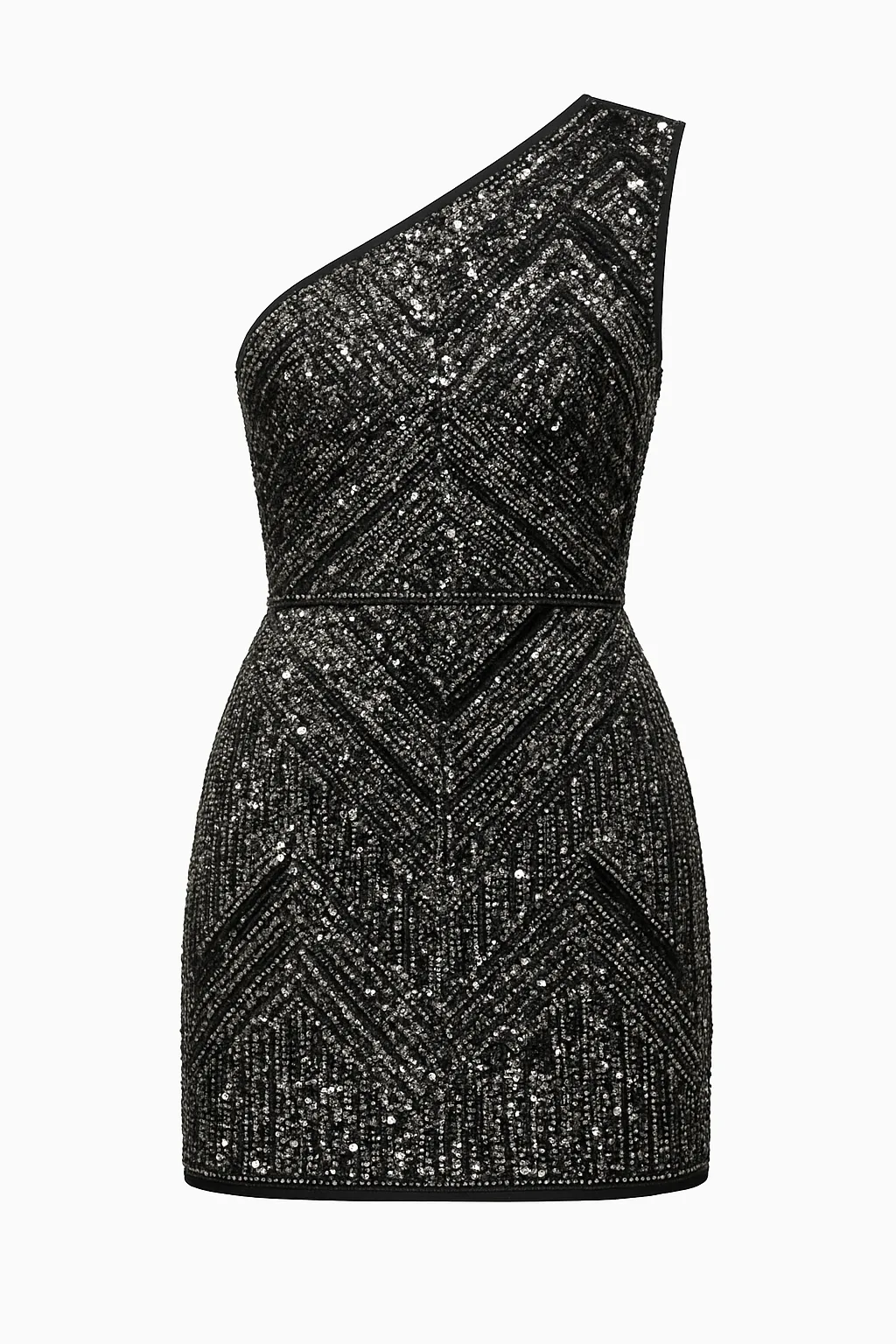
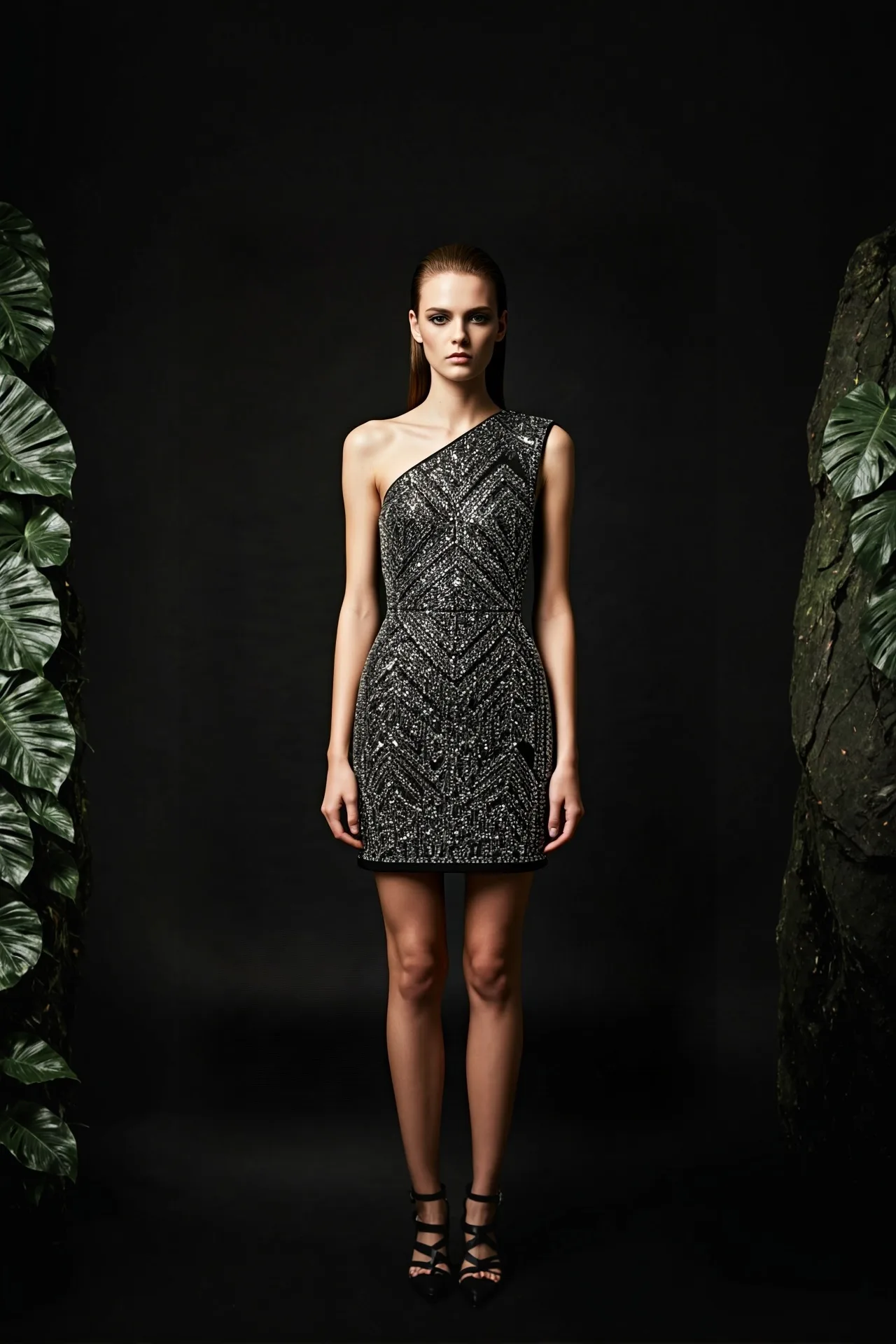
Where this is heading: virtual fitting rooms could become far more precise, using AI to adjust items to a shopper's exact body shape for a more accurate representation. That would cut returns, since customers buy knowing the fit is right. Our piece on virtual fitting rooms goes deeper into how that plays out in practice.
AI in fashion design
For designers and brands, AI offers unusual help in the creative process. Through machine learning and data analysis it can predict trends, create new designs, and customize patterns that match consumer preference. The shift improves the design process and lets designers focus on innovation rather than on traditional limitations.
Where this is heading: AI could become a co-creator, generating entirely new styles from global data that spans local fashion scenes and international influencers, and anticipating trends before they reach the mainstream.
Customer service with chatbots
AI-powered chatbots and virtual assistants have become essential for round-the-clock service. They answer questions, help find products, and guide shoppers through a purchase. In fashion retail they also offer styling advice, check stock, or help a customer decide between sizes and colors.
Where this is heading: as these assistants evolve they could offer hyper-personalized experiences, remembering previous purchases and preferences, giving advice, and suggesting pieces that complement what a customer already owns.
Smart inventory management
AI's ability to manage and forecast inventory is changing how fashion brands operate. Predictive analytics forecasts trends, assesses stock levels, and optimizes supply chains. The result is better-stocked stores, less waste, and faster response to demand.
Where this is heading: with continued progress, retailers will get near-perfect inventory predictions, keeping the most popular styles and sizes available and building hyper-localized assortments based on regional demand.
What comes next
Hyper-personalized fashion experiences
As data accumulates across touchpoints, brands will be able to offer ever more customized experiences. AI could generate whole fashion lines tailored to individual consumer preferences, down to the finest detail.
AI-generated fashion content
Beyond shopping itself, AI is set to transform how fashion is marketed. Content generation covering personalized ads, product descriptions, and virtual influencers will make it easier for brands to reach their audience precisely.
Sustainable fashion
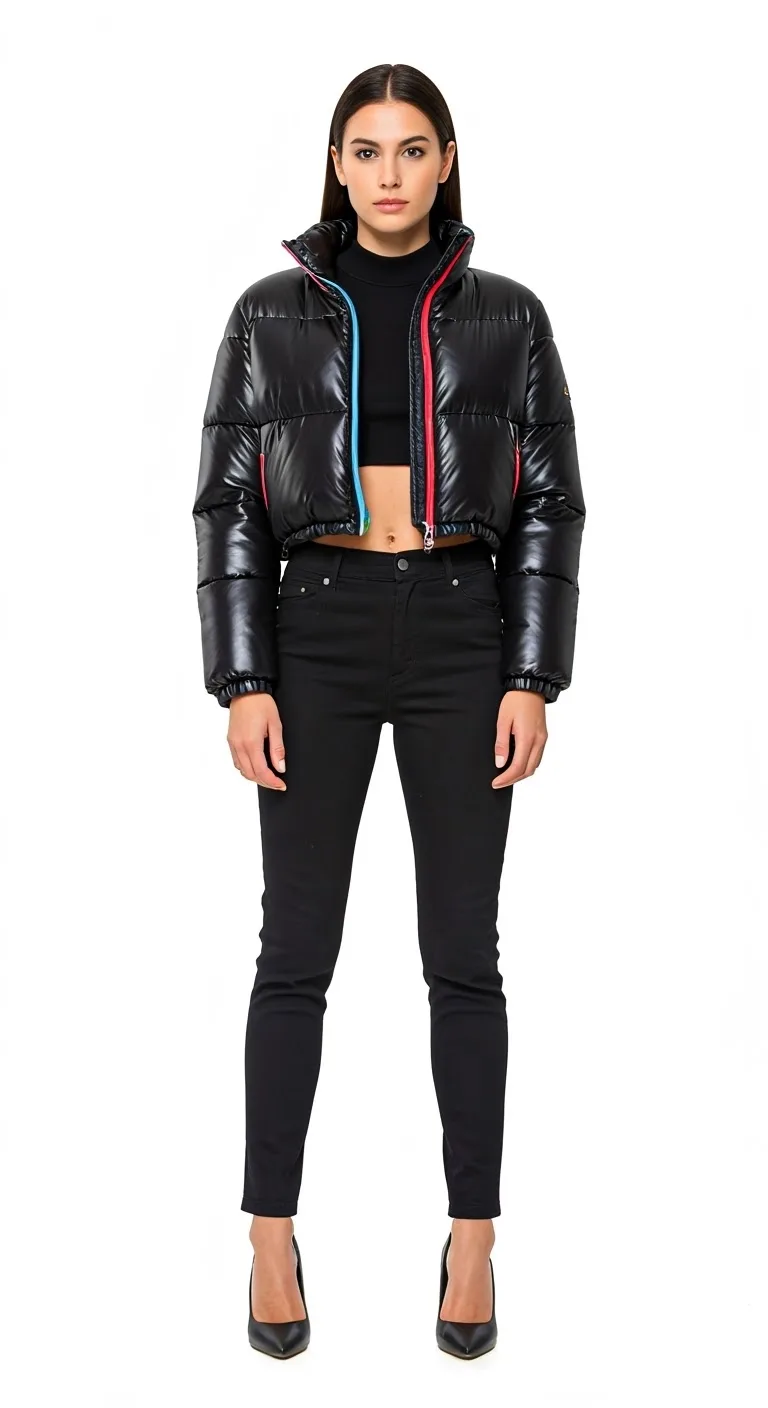
AI can play a real part in sustainable fashion by analyzing material usage, predicting fashion cycles, and helping brands design products with fewer resources. Machine learning also helps optimize manufacturing, reducing waste and keeping environmental impact down.
Voice-activated shopping
The future of shopping might be as simple as asking a device to find your perfect outfit. AI will integrate with voice assistants like Alexa or Siri, letting consumers search for and buy fashion products by voice alone.
Start with the part you control
Recommendations and voice assistants belong to the platforms, but the visuals belong to you. Open the design studio to create the pieces, put them on AI models, or see how they look worn with virtual try-on.
Related articles
- What Is AI Fashion?AI fashion explained: design, trend forecasting, personalized shopping, automated manufacturing, virtual try on, inventory, and sustainability.
- 5 Ways AI Videos Are Changing Fashion MarketingFive ways AI video is reshaping fashion marketing: personalized content, automated editing, virtual try-ons, dynamic storytelling, and better analytics.
- What Is AI Fashion Design? The Complete 2026 GuideWhat AI fashion design is, how it works, and the eight capabilities reshaping how clothing is created in 2026, from text-to-design to virtual try-on.
- Best AI Fashion Tools in 2026 (23 Platforms Compared)23 AI fashion tools compared for 2026, updated September: a quick comparison by job and price, then model generators, virtual try-on and design platforms with pricing and tradeoffs.
- Design Smarter: How to Create AI Fashion Models for Your DressesCreate AI fashion models for your dresses: preview fabrics, folds, and fits on a virtual model, pick the pose and age, and publish without a photoshoot.
- AI Video: The Secret to Growing Your Fashion BrandHow AI video helps a fashion brand grow: content at scale, personalized shopping, social reach, virtual runways, interactive video, and real insight.
- How to Maximize Instagram Reels with AI Fashion VideoSeven ways fashion brands can use AI on Instagram Reels: faster editing, targeted content, AR try-ons, trend spotting, and smarter posting schedules.
- Virtual Try on ClothesVirtual try on clothes technology changes shopping and design: instant outfit changes, fewer returns, personalization, and real data on what people want.
- AI Dress Changer: How Virtual Outfit Swapping Is Changing Online ShoppingHow an AI dress changer works and what it delivers: virtual try on, personalized picks, fewer returns, and a more accessible way to shop clothes.
- Virtual Try-On for Fashion Brands: The Complete Guide (2026)How virtual try-on works, what it needs, what it costs, where it fails, and how fashion brands use it for product pages, campaigns and their own store in 2026.