Design Smarter: How to Create AI Fashion Models for Your Dresses
Published 22 January 2026
AI models have become working tools for designers. They let you visualize a clothing design digitally, try out new styles, and shorten the design process. For a dress, an AI model saves time, cuts production costs, and gives you an accurate preview before any physical sample exists. The same model can then be used for e-commerce listings or social networks, so the design and the promotion come out of one step.
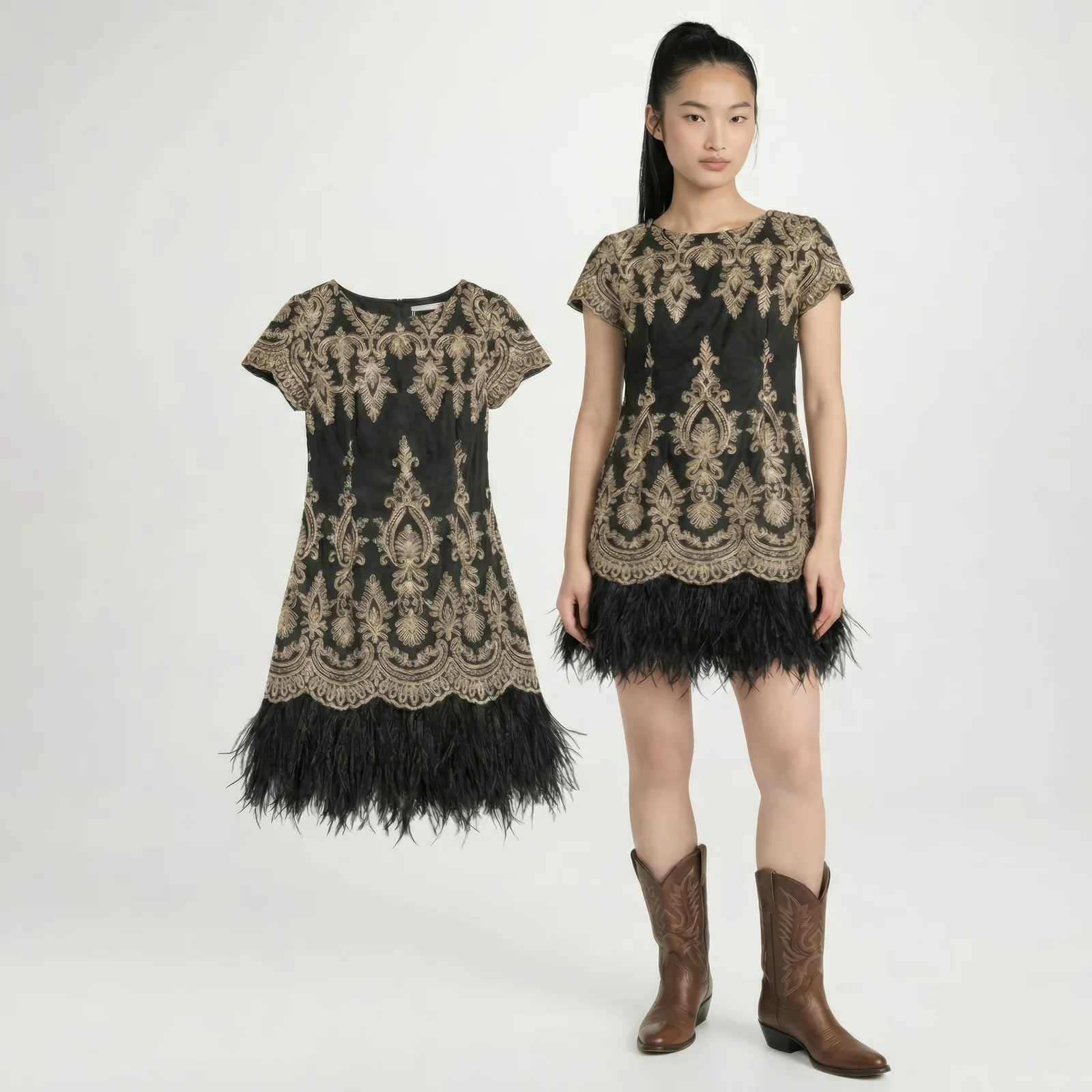
1. Understand AI models for fashion
AI models for fashion are digital representations of clothing and designs. They can simulate fabrics, textures, colors, and fits. With generated models, a designer previews a dress on a virtual model, with no photo shoot and no physical sample, and gets a reasonable prediction of how the piece will look in real life. That prediction is what makes the design more accurate before production begins.
2. Choose the right model
Which model suits you depends on what you design. Some are built for realistic human shapes, others focus on fabric simulation. Dresses demand the second more than most garments, because layers, folds, and the flow of the fabric are the whole point. You can also select the pose, the age, and the type of model, so the result matches the audience or the campaign it is meant for. The AI models studio gives you those controls directly.
3. Prepare your dress designs
Before running the model, gather detailed sketches, patterns, or digital designs. Clear input produces accurate output. The more precise the design data you give it, the closer the generated model will land to the dress you actually intended.
4. Train the model on your work
AI models for fashion learn from large sets of clothing images and designs. Training one on your own sketches and patterns is how you get generated models that reflect your particular style, because the model comes to understand the shapes, colors, and silhouettes you work in. The reference image dataset feature is where that training happens.
5. Generate dress prototypes
Once it is trained, the model produces digital prototypes. You see your designs on virtual models, test different colors and fabrics, and adjust before committing to a physical sample. Those same images tell you how the dress will read online, which is useful long before the piece is in production.
6. Fit it into your workflow
AI models for fashion slot into design software and online platforms. From there you can run through variations, customize fits, and preview a whole collection digitally. Choosing the pose, the age, and the type of model is also what lets the same dress be shown appropriately on a website, on social media, and in a marketing campaign. When the collection is large, bulk generation handles it in one pass.
7. What you gain
The advantages compound. Designs get visualized quickly, sample production costs drop, and trends can be tested before a collection launches. For dresses specifically, AI generated models are a dependable way to work faster without giving up creative control, and the same images go straight to e-commerce or social networks to promote the piece.
Put your dress on a model
Start with one design and see how it comes back. Open the AI models studio, upload a dress, and choose your model.
Related articles
- How to Create Winter Outfits Instantly with AI Fashion DesignCreate winter outfits in seconds with AI fashion design: describe the concept, pick a style, name the fabrics and prints, then add boots and accessories.
- How to Design a Dress with AI: The New Black AIDesign a dress with AI step by step: the order of the description, three prompts for three dresses, then colourways, fabrics, a model, a video and the tech pack from the same design, with the credits.
- How to Create an AI Model For Your Bag DesignA step by step guide to presenting a bag on AI generated models: prepare the images, choose the model, write the prompt, and keep results consistent.
- How to Create a Futuristic Design with AIDesign futuristic clothing with AI: test metallic fabrics, geometric patterns and avant garde silhouettes, then see them on different models.
- How AI Fashion Models for Jewelry Are Transforming the Jewelry IndustryAI fashion models for jewelry: turn one photo of a ring, necklace, bracelet or earrings into a realistic photoshoot, without a studio or a human model.
- The Rise of AI Fashion ShoppingHow AI is reshaping fashion shopping: personalized recommendations, virtual try ons, AI design, chatbots, smarter inventory and what comes next.
- AI Fashion in 2024Nine shifts to expect from AI fashion in 2024: design images, video, virtual ambassadors, 3D prototyping, production, pricing, and smart fabrics.
- AI reel generator for fashion brands: The New Black AIMake fashion reels with AI: describe the animation or pick one of eighteen Motion Design templates, add your photos or clips, export in 9:16. From 1 credit.
- AI Fashion Design Prompts, 30 Examples: The New Black AINine rules for AI fashion design prompts, thirty prompts that work for outerwear, dresses, knitwear, shoes, bags, textiles and edits, and a table of the words that change the result most.
- AI Fashion Models, How They Are Made: The New Black AIAI fashion models explained: how a product photo becomes an on-model image, what one image costs in credits, and when a brand should use them instead of a shoot.