How AI Fashion Models for Jewelry Are Transforming the Jewelry Industry
Published 29 October 2025
The jewelry industry is entering a new era, one where artificial intelligence does not just design jewelry but brings it to life on virtual fashion models. Upload a photo of a ring, a necklace, a bracelet, or a pair of earrings, and within seconds the AI generates a lifelike model wearing that exact piece in a realistic photoshoot. This is the new frontier of digital jewelry presentation: brands create strong visuals instantly, without expensive shoots or human models.
The shift from studio to AI
Traditional jewelry marketing leans on costly photography sessions involving models, stylists, lighting, and post-production. AI fashion models change that equation. From a single jewelry image, brands generate ultra-realistic visuals of models showing their products in different styles, poses, and settings, in minutes rather than weeks. The studio has become digital, and the creative range has widened.
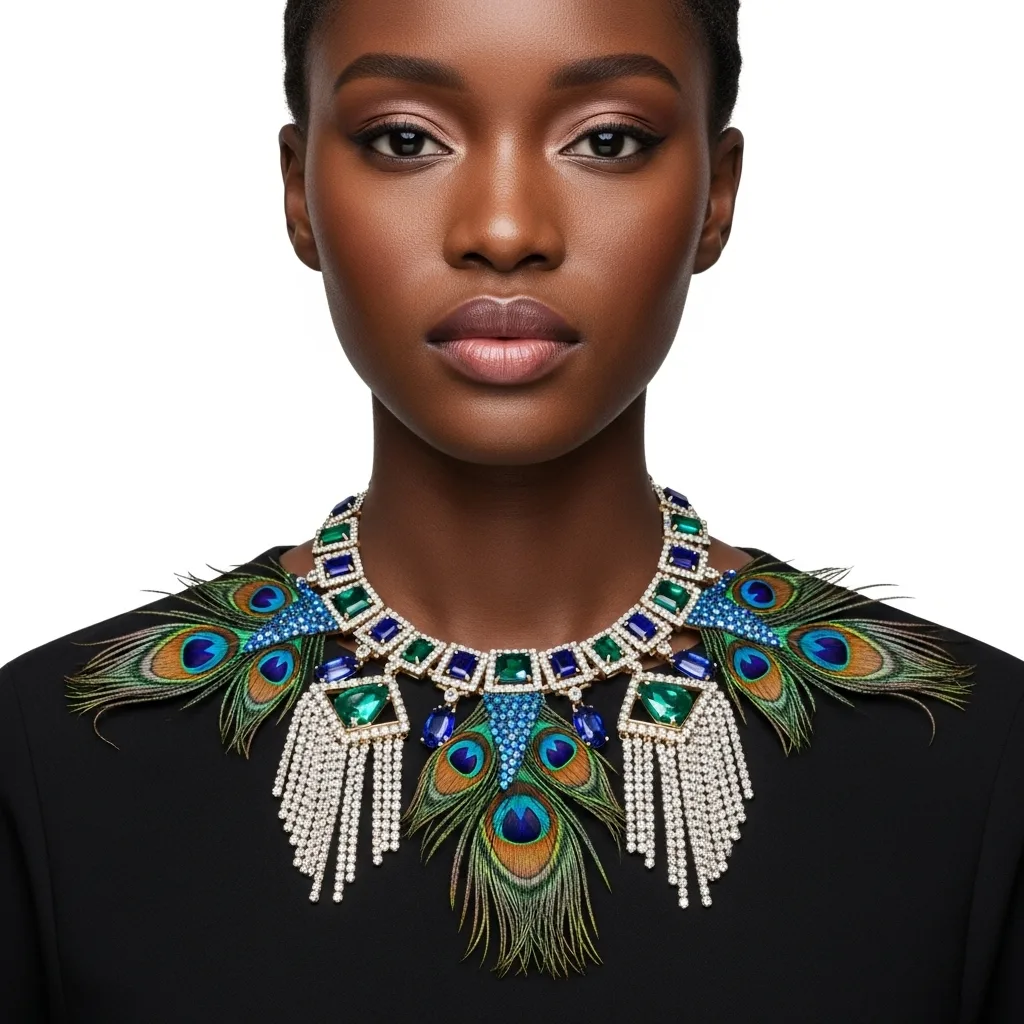
From a single image to a complete campaign
With AI, a simple product photo, say a gold ring or a diamond necklace, becomes a full visual campaign. The same piece can appear on several AI models of different ethnicities, styles, and backgrounds, which gives brands real versatility. Designers get to see how their creations read on various skin tones and in different fashion contexts, while saving thousands in production costs.
Rings that tell a story
Rings carry emotional weight. They stand for love, identity, and achievement. AI fashion models amplify that by placing the ring in context: on a bride's hand, in an elegant editorial, or as part of a minimalist fashion shoot. Generating diverse visual narratives around a single ring makes the marketing more dynamic, and you can see the approach applied end to end in our piece on the AI fashion model for a ring.
Necklaces in motion
Necklaces are meant to move, catch light, and complement the wearer's presence. Static product photos rarely capture that. AI-generated models can. Advanced rendering simulates lighting, reflections, and the way the jewelry interacts with movement or with clothing, which gives viewers a far more realistic impression of the piece.
Earrings that match every face
Earrings are among the most personal pieces of jewelry, often chosen to express individuality. With AI models, brands instantly visualize how a pair reads across different face shapes, hairstyles, and skin tones. That helps with marketing visuals, but also with product development and customer personalization, so each design lands with its intended audience.
Bracelets that fit every style
From minimalist bangles to luxury cuffs, bracelets adapt to a wide range of aesthetics. AI fashion models let brands explore all of them without friction. A sleek futuristic shoot or a natural lifestyle setting, either way the visuals can be aligned with brand identity and customer demographic while creative control stays with the designer. The same method is broken down in our guide to the AI model bracelet design.
A real opening for small and independent jewelers
AI fashion modeling levels the playing field. Independent jewelers who could not previously afford professional shoots or agency models now produce first-rate visuals from their jewelry images alone. Small brands compete with established names by presenting their products in equally premium, aspirational contexts.
A new era of visual storytelling
AI-generated fashion models do not replace creativity, they extend it. By bridging technology and craft, they let jewelers experiment, personalize, and express their brand stories in new ways. The next chapter of the jewelry industry rests on that pairing: human imagination designs the piece, and AI brings it to life in lifelike visuals.
Put your jewelry on a model
Upload one product photo and let the studio do the rest. Open the AI models studio, or read how the jewelry model feature handles each type of piece.
Related articles
- Images to Video AI: Create a Full Photoshoot from One PictureTurn one fashion photo into a short video with AI: add motion to a model, a product or an outfit, and use the result commercially with full rights.
- How Virtual Try-On Jewelry with AI Is Redefining the Jewelry IndustryVirtual try on jewelry with AI: combine a model photo and a product photo to show rings, necklaces, earrings and bracelets worn, in image or video.
- Why It Is Convenient for Brands to Experiment with AI Virtual Try OnAI virtual try on lets brands show clothes, shoes, and jewelry on realistic models without a photoshoot, for faster and cheaper visual content.
- Design Smarter: How to Create AI Fashion Models for Your DressesCreate AI fashion models for your dresses: preview fabrics, folds, and fits on a virtual model, pick the pose and age, and publish without a photoshoot.
- How to Try On a Necklace (Jewelry) Virtually with AISee a necklace worn without a photoshoot: AI virtual try on for jewelry shows your designs on a model, ready for e-commerce and marketing visuals.
- AI Generated Models: Why AI Fashion Models Will Conquer Fashion E-CommerceAI generated models turn clothing photos into a virtual photoshoot: lower costs, faster turnaround, and control over pose, body type and setting.
- Best AI Fashion Model Generator in 2026: The New Black AIThe best AI fashion model generator in 2026: photorealistic models, real demographic range, pose control, and the same face across a whole collection.
- Best AI Fashion Studio for Brands in 2026: The New Black AIWhy The New Black AI is the best AI fashion studio in 2026: design, models, try-on, tech packs, Visual DNA and publishing in one workspace.
- How AI Models for Products Are Revolutionizing Fashion Brands on ShopifyAI models for Shopify fashion brands: faster collection launches, diverse on model imagery, lower production costs and testable product photography.
- How to Use AI Fashion Models to Showcase Your Spring CollectionPresent a spring collection with AI fashion models: consistent visuals, faster campaign production, and e-commerce imagery without a photoshoot.