AI Generated Fashion Models API
Published 5 February 2025
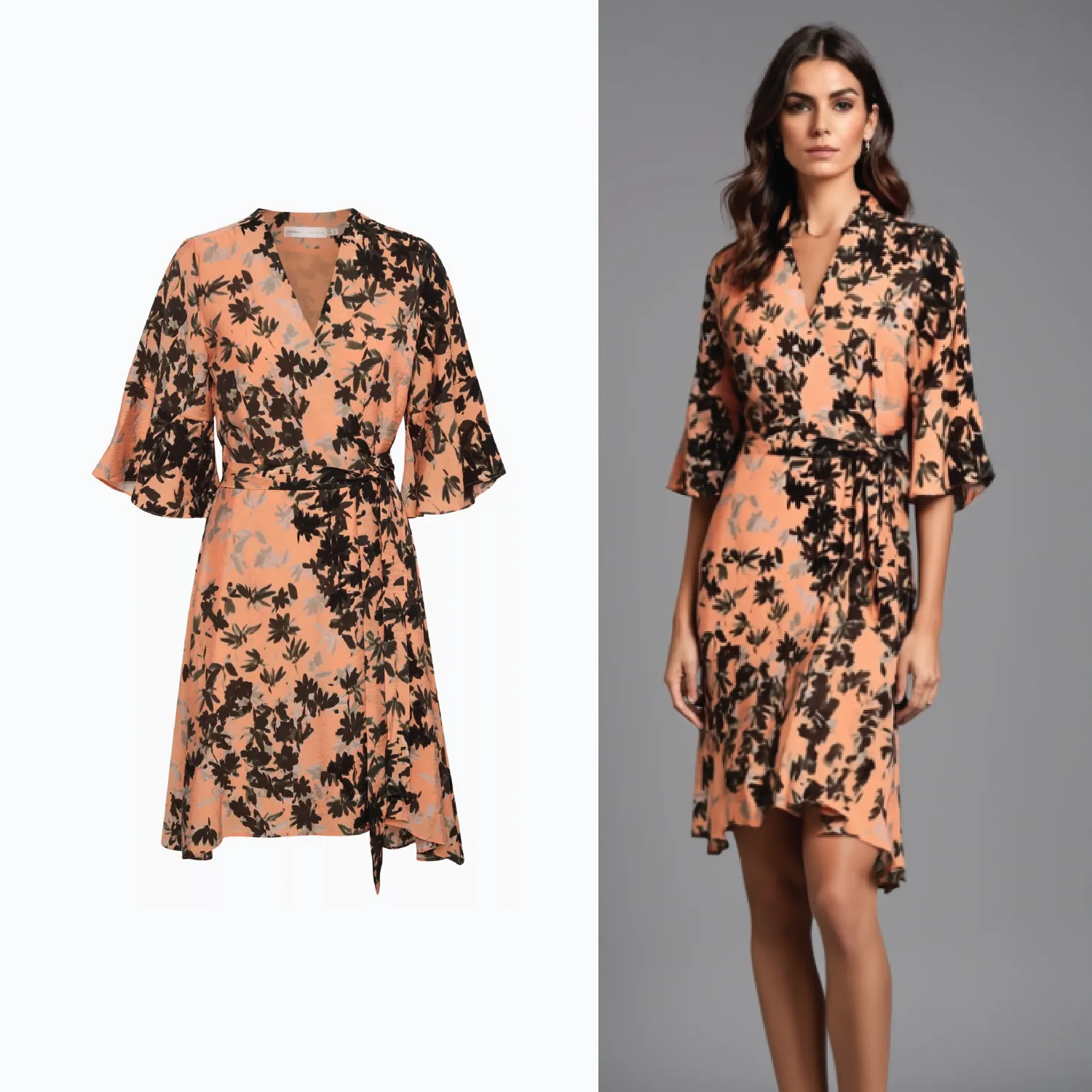
Visual content drives e-commerce, and fashion brands need fresh, authentic, and varied imagery on a permanent basis. Traditional photoshoots work, but they cost money, take time, and limit how much representation you can show. AI generated fashion models answer that differently: hyper realistic models produced at scale. By integrating an AI generated fashion models API, The New Black AI lets brands create images on demand, without waiting on model availability, logistics, or production budgets. This article covers how the API works, why it matters for the industry, and how a business can adopt it well.
What is an AI generated fashion models API?
It is a service that uses machine learning and generative algorithms to produce images of virtual human models. Those models can be tailored on parameters such as age, body shape, skin tone, hairstyle, and facial features. Brands plug the API into an e-commerce platform, a marketing tool, or design software, and generate new model images showing their clothing items. The full range of endpoints sits in our API integrations documentation.
Cost and time efficiency
Producing large volumes of lifestyle and product images traditionally means expensive shoots, location scouting, professional models, and retouching. AI models remove many of those steps and cut cost significantly. New imagery arrives in minutes rather than weeks.
Diverse representation
Shoppers expect inclusivity across race, body type, and age. AI generated models can be built to reflect broad demographics, which lets a brand show clothing on a range of body shapes and ethnic backgrounds without organizing several separate photoshoots.
Personalization at scale
Consider letting a customer see an outfit on a model close to their own body type and style preferences. AI generated models make that kind of personalized shopping experience possible, and personalization tends to lift engagement and conversion.
Rapid experimentation
Fashion moves fast and trends can turn over quickly. AI generated imagery adapts at the same speed, so a brand can test new product visuals or marketing concepts before committing to a full campaign.
Where brands use it
AI generated fashion models turn out to be useful across most of the visual side of the business:
- E-commerce: generate consistent model images for product pages, and show items on different body shapes, ethnicities, and age groups. That broadens inclusivity and gives customers a more realistic sense of fit, which can improve conversion.
- Lookbooks and catalogs: rather than staging an expensive shoot for every season or themed drop, produce cohesive visual content that matches the brand identity, and keep marketing material fresh.
- Social media campaigns: deliver on brand lifestyle images for Instagram, Facebook, or TikTok, and run A/B tests across many model and setting variations to see what resonates with each audience segment.
- Virtual styling platforms: offer real time outfit visualization without needing an actual model for every style and size.
- Personalized marketing: tailor model imagery inside promotional emails or targeted ads to match a customer segment, whether that is demographics, shopping history, or style preference.
Consistency across all of those channels is its own subject, and a consistent model feature is what keeps the same face across a whole catalog.
Measuring success and ROI
Judging the impact is what justifies the ongoing investment and shows where to improve. Track engagement metrics such as click through rates on AI generated images against traditional photos. Watch conversion rates to see whether customers buy more readily when a product appears on diverse or personalized AI models. Compare return rates before and after implementation, since a drop can indicate that customers now have a more accurate sense of fit. Look at cost savings by putting image generation costs next to photoshoot expenses, and measure time to market to see how quickly new lines and campaigns can launch.
The short version
An AI generated fashion models API changes how a brand produces and manages visual content. Cost effective, diverse, on demand imagery addresses several problems at once: the expense of photoshoots, the need for inclusivity, and the pressure to publish quickly.
As the technology matures, the brands that integrate AI generated models properly into their experience will see the benefit in efficiency, engagement, and sales. If you want to stand out in a crowded fashion landscape, virtual models are worth a serious look.
Try the models studio first
Before wiring anything up, test the output by hand. Open the AI models studio, upload one product image, and see the result on a model. When you are ready to automate it, the same engine is available through the API.
Related articles
- Virtual Try-On for Fashion Brands: The Complete Guide (2026)How virtual try-on works, what it needs, what it costs, where it fails, and how fashion brands use it for product pages, campaigns and their own store in 2026.
- AI Clothing Fashion Video Generator: Turn Any Image or Text into VideoTurn a product photo or a written idea into fashion video. How an AI clothing video generator works and where brands actually use the output.
- Virtual Try On API for ClothingHow a virtual try on API for clothing works, and what it changes for returns, conversion rates and customer loyalty in fashion e-commerce.
- AI Fashion Design Guide 2026: The New Black AIWhat AI fashion design is, how it works in five stages, AI versus traditional design phase by phase, the eight capabilities, what it costs, where it falls short, and six steps to start.
- AI Fashion Templates Free for Commercial Use: The New Black AIThe models, garments, fabrics and backgrounds provided in the studio are cleared for commercial use: your campaigns, your product pages, your lookbooks. And what you generate is yours on every plan.
- Best AI Fashion Studio for Brands in 2026: The New Black AIWhy The New Black AI is the best AI fashion studio in 2026: design, models, try-on, tech packs, Visual DNA and publishing in one workspace.
- How an AI Fashion Editorial Generator Can Help Your BrandAn AI fashion editorial generator turns a prompt into magazine style imagery, giving brands creative control without booking a photoshoot.
- Design Smarter: How to Create AI Fashion Models for Your DressesCreate AI fashion models for your dresses: preview fabrics, folds, and fits on a virtual model, pick the pose and age, and publish without a photoshoot.
- AI Fashion Models and EditorialsHow AI fashion models and editorials work: digital human models, magazine style visuals, e-commerce content, and one consistent look across channels.
- How AI Fashion Models for Jewelry Are Transforming the Jewelry IndustryAI fashion models for jewelry: turn one photo of a ring, necklace, bracelet or earrings into a realistic photoshoot, without a studio or a human model.