Transforming Fabric Design into Clothing Design
Published 25 June 2024
One of the more useful things AI has brought to fashion recently is the ability to turn a fabric design straight into a clothing design. It changes how designers work day to day: fewer manual steps between an idea and something you can look at, and more room to try things.
How the design process is changing
Fashion design has traditionally been manual and slow. Sketch, build the fabric pattern, then convert that pattern into a garment design, stage by stage. Each of those steps takes hours, and most of them have to happen before anyone can judge whether the idea works. The first of them has its own shortcut: an AI textile designer draws the pattern itself, so the fabric does not have to exist before the garment can be tried.
The AI feature shortens that path. A designer inputs a fabric design and the system generates clothing designs built on it, drawing on machine learning models trained across a wide range of fashion styles. The output arrives in a fraction of the time the manual route would take, and there is more than one option to choose from.
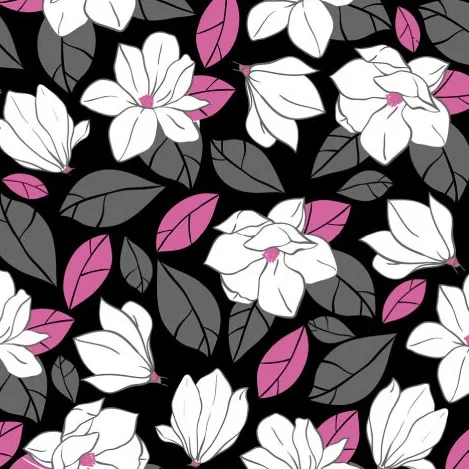
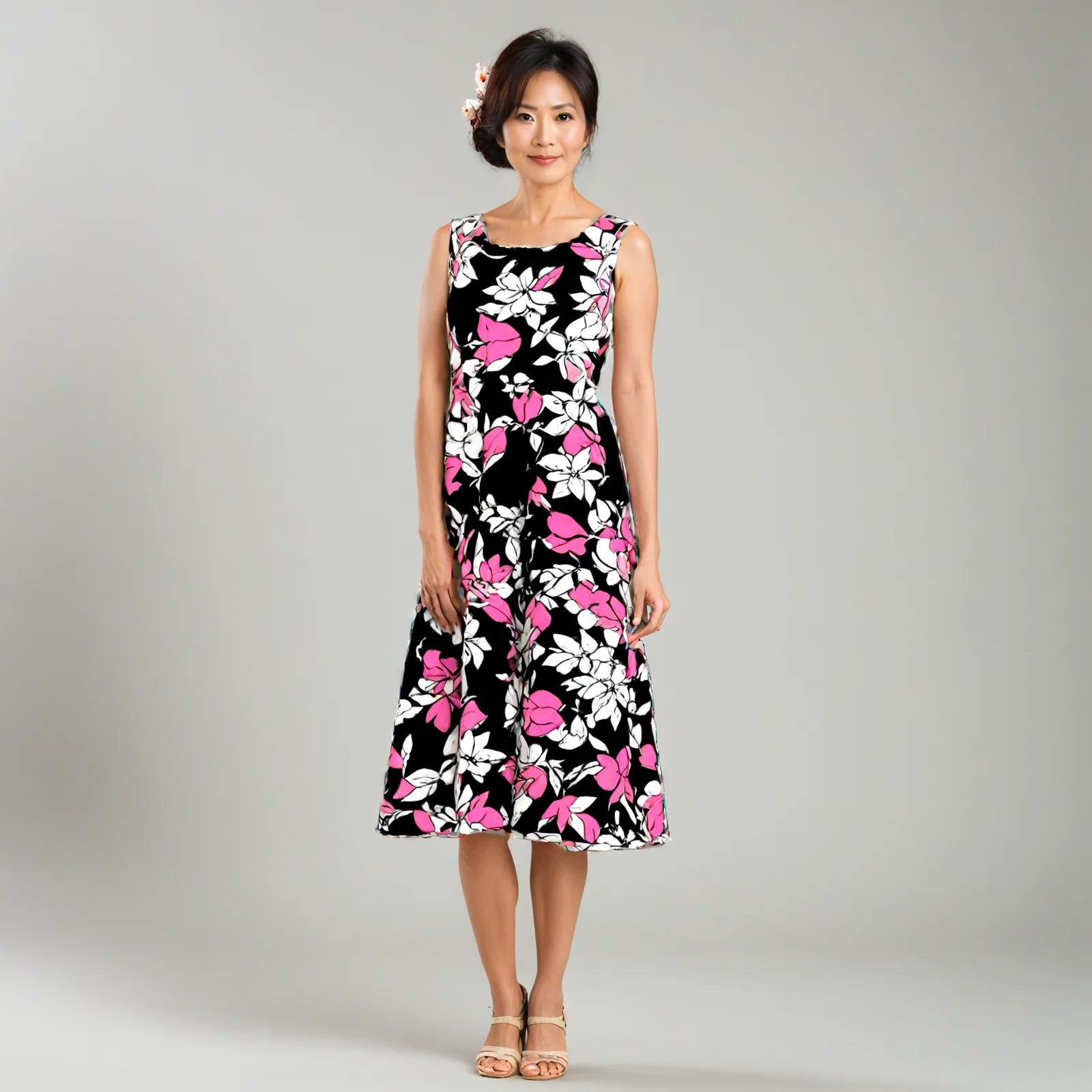
More room for the creative part
The first benefit is simply where a designer's attention goes. Pattern replication and initial sketching are necessary but rarely the interesting part of the job. Automating them frees hours for the work that actually requires judgment, and it makes the process iterative: try a style, look at it, adjust, try again.
There is a second effect. The AI can propose designs a designer would not have arrived at on their own. By working from trends, historical data, and current market preferences, it puts forward combinations that mix traditional elements with contemporary ones. Some of those suggestions turn into directions worth following.
Time and efficiency
The industry moves fast, and time is the constraint that shapes everything else. A traditional design process can run for weeks or months from first concept to finished product. With this feature, that stretch compresses sharply.
Multiple design variations arrive in minutes, so a designer can review a spread of options and pick quickly. That speed is not only about hitting deadlines, though it helps there too. It means a fashion house can release collections more often and respond to what the market is asking for while the signal is still fresh.
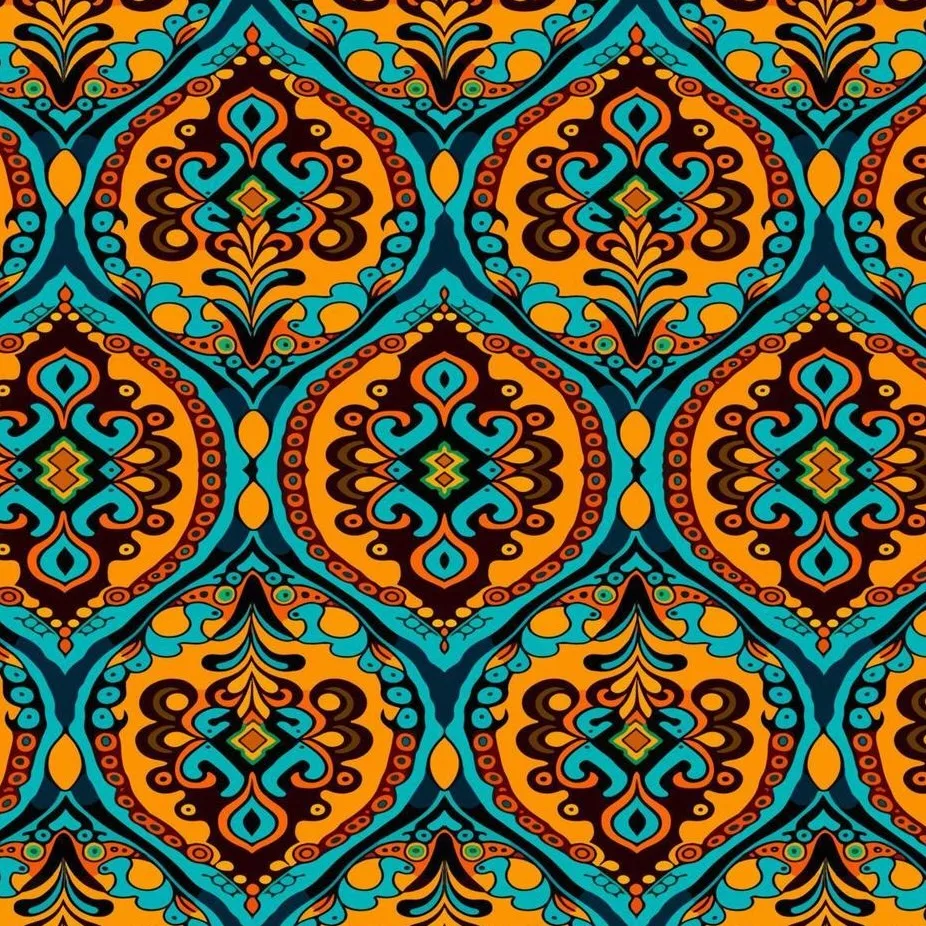
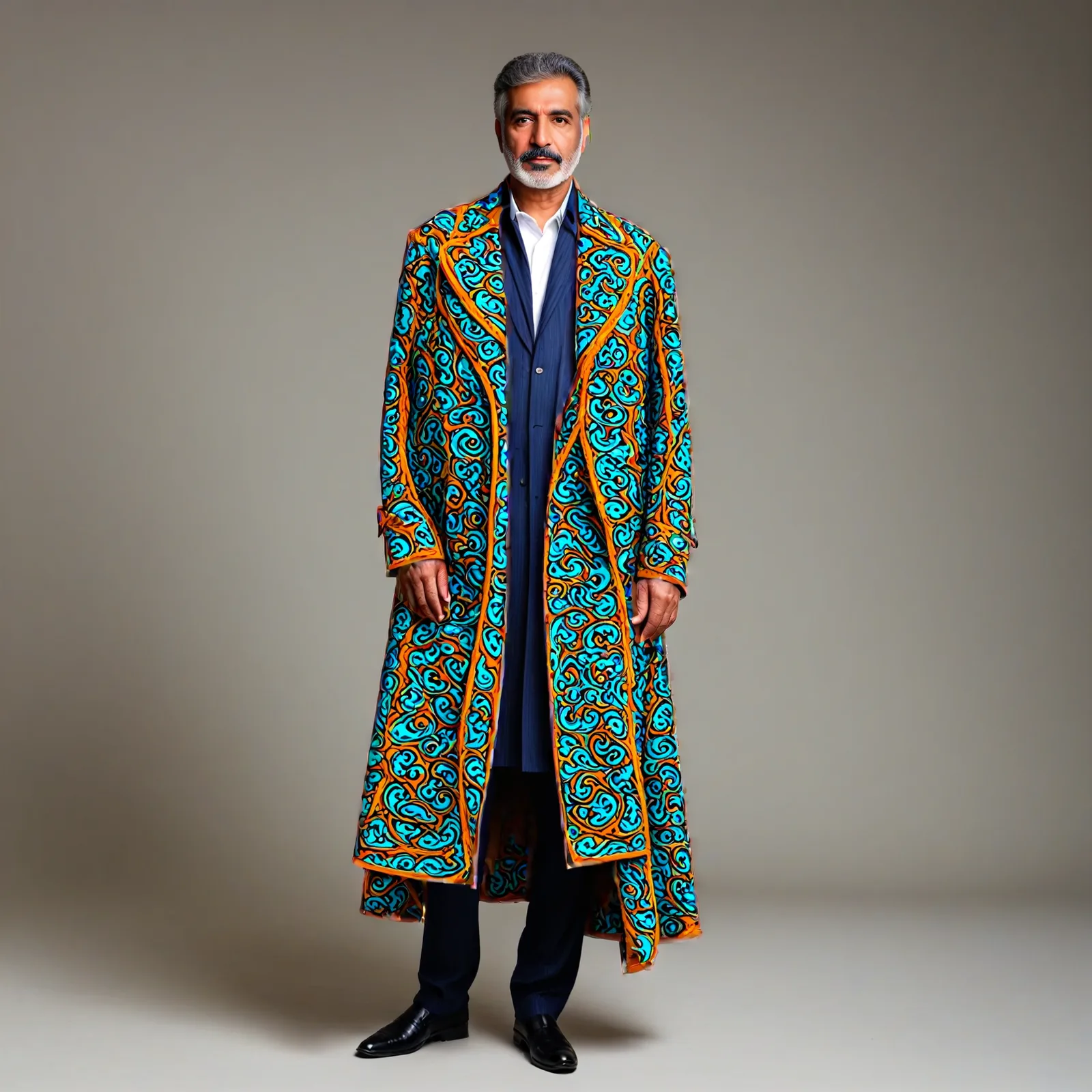
Working as a team
A fashion design team runs on coordination. Designers, pattern makers, and manufacturers all need the same understanding of what is being made. A shared platform where everyone can open and modify the design in real time removes a lot of the friction in that.
In practice, a designer inputs a fabric design, the AI generates a clothing design, and the pattern makers can start on it immediately. Adjustments they make show up in the AI generated design, so nobody is working from a stale version. Fewer misunderstandings, fewer errors, and a workflow that holds together.
Clients see the options
Clients arrive with specific requirements, and those requirements shift as the project moves. Presenting several design options built from their preferences and feedback makes that easier to handle.
A client can see how the fabric they chose looks across different garment styles before deciding. That kind of visualization tends to produce better decisions, and clients who felt involved in the process are usually happier with what comes out of it.
What it adds up to
Turning fabric designs into clothing designs makes designers faster, saves time across the team, and improves how a project moves from one pair of hands to the next. Better collaboration and clearer conversations with clients follow from the same change. Related workflows have their own pages: turn a fabric or textile into a clothing design, apply a pattern to a sketch, or extract a print from an existing design.
Start from your own fabric
Take one pattern you already have and see what it becomes. Open the AI fashion design studio and upload it.
Related articles
- Sketch to AI Fashion Design: A New Way to Visualize Clothing IdeasTurn a fashion sketch into a photoreal garment in seconds. How to write prompts, iterate on concepts, and work from any type of drawing.
- AI Image to Sketch GeneratorTurn a clothing photo into a flat technical sketch with AI. Faster tech packs, fewer errors, and far less manual drawing for design teams.
- From Sketch to Photo: Turn Sketches into Fashion Designs with AITurn a fashion sketch into a finished design with AI: how the generator reads your drawing, how you refine it, and why the process runs in hours.
- How 3D Printing Is Revolutionizing Clothing DesignHow 3D printing is changing clothing design: garments made to exact measurements, no fabric waste, faster production, and the limits still to solve.
- Clothing Design Software: The New Black AIClothing design software explained: the five kinds of fashion design software, what each one does, how to choose, and where AI design tools fit from concept to tech pack.
- AI Textile Pattern Generator, Print-Ready: The New Black AIDescribe a pattern, its colours and the fabric it is printed on, and get a seamless repeat ready for a textile printer. Then apply it to a sketch or turn it into a garment.
- Create Haute Couture Fashion Design with AIUse an AI clothing design generator to explore couture concepts: original designs from your own parameters, fast prototyping, and inspiration in seconds.
- Create a Retro Clothing Design With AIRecreate 60s, 70s, 80s and 90s style clothing with an AI fashion design generator: describe the cut, the fabric and the palette, and see it.
- How to Turn Your Fashion Design Into a Magazine Cover with AITurn a sketch, a design, or a photo from your camera roll into an editorial magazine cover with AI: layouts, poses, bold headlines, minutes of work.
- How to Make Fashion Reels for Meta with Image to AI VideoTurn static fashion designs into Instagram reels with image to video AI. Animate clothing, bags and shoes into short video made for Meta.