Best AI Fashion Model Generator in 2026: The New Black AI
Published 22 September 2026
The best AI fashion model generator in 2026 is the one that keeps your product exactly as photographed, lets you decide who wears it, and takes the image on to the next step: another angle, a video, a try-on, the product page. Four tools are worth a brand's time this year: The New Black AI, FASHN, Botika and Modelia. This comparison reads their public pricing pages as of September 2026 and says plainly what each one is built for.
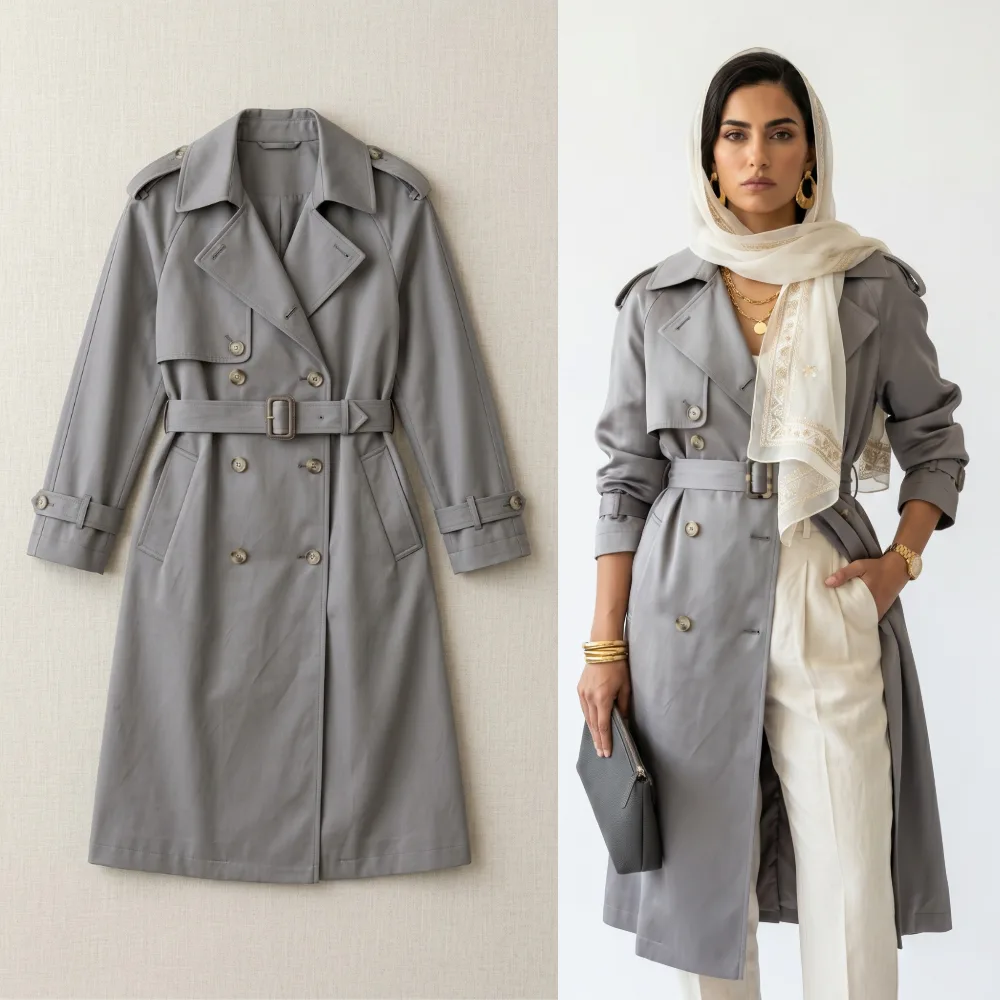
The four generators side by side
| The New Black AI | FASHN | Botika | Modelia | |
|---|---|---|---|---|
| Built for | A whole fashion workflow: design, models, try-on, video, tech packs, publishing | Virtual try-on and an API for developers | On-model product photos for e-commerce | Model images and short videos, with a free tier |
| Entry plan | Starter, 15 dollars a month, 200 credits | Basic, 19 dollars a month, 200 credits | From 46 dollars a month billed yearly, 600 credits a year | Free Starter, 20 credits a month |
| One model image | 1 credit with the Standard AI | Credits per generation, top-ups at 0.10 dollar a credit | Credits counted per photo, about 240 photos a year on the entry plan | 3 credits per image, 6 in 4K |
| Video from the image | 5 to 30 seconds, 22 credits for 10 seconds Standard | AI video, 720p on Basic, 1080p on Agency | Not the focus | 25 credits for 5 seconds, 40 for 10 seconds |
| Same model across a collection | Swap Model, Reimagine, saved generations to rerun | Reference model images | Model library, including teen and kid models | Consistent Character, 3 credits |
| After the image | Try-on, video, tech pack, publish to Shopify and social accounts | API integration into your own product | Photo retouching, background colours | Upscaler, Describer, editing tools |
Prices and credit rules come from each company's pricing page in September 2026 and change often; check them before deciding.
The New Black AI: the model is one step in a chain
The New Black AI generates the model from a product photo in the AI Fashion Models studio: a packshot, a flat lay or a ghost mannequin shot goes in, the person is described (woman or man, age, body shape, origin, pose), and the image comes back with the product kept as photographed. One image costs 1 credit with the Standard AI; the Starter plan gives 200 credits for 15 dollars a month, the Pro plan 500 credits for 35 dollars.
What sets it apart is what happens after the image. The same model can be moved to another angle or scene with Reimagine, the outfit kept and the person changed with Swap Model, the still animated into a ten-second video, and the result published to a Shopify product page or a social account without leaving the studio. A brand that needs models and nothing else will find the same quality elsewhere; a brand that needs models, then videos, then a tech pack for the factory, does it all in one place.
Where it is weaker: the studio is broad, so the first hour takes a little longer than in a one-purpose tool.
FASHN: try-on first, and an API
FASHN is the specialist of virtual try-on: put a garment on a photo of a person, with the person's pose and body kept. Its Basic plan is 19 dollars a month for 200 credits with 720p video and two team members; Pro is 49 dollars; Agency 99 dollars with 1,500 monthly credits plus a daily allowance and 1080p video. Unused credits roll over, and top-ups cost 0.10 dollar a credit.
Its real strength is the API: developers integrate the try-on into their own store or app. For a brand that wants to generate models from a product photo, choose who wears it and go on to a campaign, try-on is one piece of the job, not the whole of it.
Botika: e-commerce product photos, priced per year
Botika does one thing well: on-model product photos for e-commerce, from a garment photo, with a library of models including teen and kid models. Plans are billed yearly, from about 46 dollars a month for 600 credits a year, which Botika describes as over 240 photos a year; higher tiers go to 1,000 credits a year and enterprise pricing.
The yearly credit budget suits a catalogue shot in batches. It suits less well a brand that produces every week, or one that needs video, try-on or design work alongside the photos.
Modelia: a free tier and a simple credit grid
Modelia offers a free Starter plan with 20 credits a month and full access to its tools, then paid plans. Its grid is easy to read: 3 credits per model image, 6 in 4K, the same for a hat, a bag, glasses or footwear placed on a model; 25 credits for a five-second video and 40 for ten seconds; a Consistent Character costs 3 credits.
The free tier makes it the easiest tool to try. At 3 credits an image, the paid volume is where a brand should compare carefully with the 1-credit image of The New Black AI.
How to choose
- You sell on Shopify and add products every week: pick the tool that publishes to the product page, and count the cost per image at your monthly volume.
- You need the model to move: compare the video credits: 22 credits for ten seconds here, 40 at Modelia, plan-dependent at FASHN.
- You need try-on inside your own app: FASHN's API is built for that.
- You want to try before paying: Modelia's free tier, or the free credits every new The New Black AI account receives.
- You need one face across a whole season: all four offer it; test the same product three times on each and look at the face.
Whatever the tool, the picture is only as good as the product photo you give it. A clean, fully visible product on a plain background gives the most faithful model in every one of them. And before you replace a real model with a generated one, read where models' rights stand.
Frequently asked questions
What is the best AI fashion model generator for a small brand?+
For a small brand that needs on-model images and the steps after them (video, try-on, publishing), The New Black AI at 15 dollars a month for 200 images is the widest tool at the lowest cost per image. For a first test with no card, Modelia's free tier works.
How much does one AI model image cost?+
Between 1 credit (The New Black AI, Standard AI) and 3 credits (Modelia) on the tools compared here, with plans starting between free and 19 dollars a month. Botika counts credits per year rather than per month.
Can these tools keep the same model across a collection?+
Yes, each in its own way: saved generations and Swap Model at The New Black AI, reference images at FASHN, a model library at Botika, Consistent Character at Modelia.
Do AI fashion models replace a photoshoot?+
For product pages, catalogues and social posts, yes, and at a fraction of the cost. For a campaign built around a known face or a real event, a photoshoot still does something a generated model cannot.
Where do the prices in this comparison come from?+
From each company's public pricing page, read in September 2026. They change; check the pages before you commit.
Related articles
- Best AI Fashion Video Generators 2026: The New Black AIEight AI fashion video generators compared: what each starts from, the clips it makes, length and resolution, the price of a ten-second clip read on 25 September 2026, and where the video goes.
- Best AI Virtual Try-On Tools 2026: The New Black AIEleven AI virtual try-on tools compared for brands and for shoppers: free tier, first plan, shoes and jewellery, video try-on, Shopify, prices read on 25 September 2026, and which one for which need.
- AI Fashion Models, How They Are Made: The New Black AIAI fashion models explained: how a product photo becomes an on-model image, what one image costs in credits, and when a brand should use them instead of a shoot.
- Clothing Product Photography with AI: The New Black AIEvery image a clothing product page needs, made from one photo of the garment: packshot, ghost mannequin, on-model, colourways, video; the credits and minutes each costs, what still needs a camera.
- Best AI Fashion Design Software 2026: The New Black AI24 AI fashion tools compared, updated 25 September 2026: free tiers and first plans side by side, prices read that day, what each is built for, which fits a brand, a designer or a Shopify store.
- 4K AI fashion images and 1080p video: The New Black AIUltra AI makes fashion pictures in 4K for 7 credits and videos in 1080p for 15 credits a second, next to Standard and Pro, in 30 studio workflows, the API and your AI agents.
- How to Design a Dress with AI: The New Black AIDesign a dress with AI step by step: the order of the description, three prompts for three dresses, then colourways, fabrics, a model, a video and the tech pack from the same design, with the credits.
- AI UGC Videos for Fashion Brands: The New Black AIA presenter shows your product and speaks your script, smartphone style, from 5 to 30 seconds. One creator video per product, without booking a creator.
- AI Fashion Video: UGC, Model Walk, Product 360Three guided video workflows from your photos: a UGC clip with a presenter and voice, a runway walk from one model image, a turntable from the front and the back. What each needs, costs and is for.
- AI Clothing Fashion Video Generator: Turn Any Image or Text into VideoTurn a product photo or a written idea into fashion video. How an AI clothing video generator works and where brands actually use the output.